Table of Contents
 30 January 2025
 Tyre Sidewall Damage: Causes, Types, And What to Do
Tyre sidewall damage can jeopardise your safety and the vehicle’s performance, requiring immediate attention. From sharp debris to manufacturing defects, understanding the causes, types, and solutions is essential for car maintenance. This guide will show you how to spot these issues, prevent damage, and ensure a smooth, safe journey.
Tyre sidewall damage: what to do
First, inspect the tyre carefully. Superficial scuffs or minor scratches may not require action, but if the sidewall is punctured or cut, you will need to replace it immediately. Driving with the damaged tyre risks a blowout, especially at high speeds, as the sidewall bears significant stress. It is usually best to use the spare tyre so that you can arrive at a garage or home safely.

Do not attempt to repair this kind of damage, as this area of the tyre lacks the structural integrity for a safe patch up. For minor concerns, consult a professional to assess the problem.
Always ensure your car tyres are properly inflated and avoid overloading your vehicle to minimise future risks. Regular inspections can prevent small issues from escalating into major safety hazards.
Recommended Article
Tyre blowout: what to do, prevention tips, and solutions
Types of sidewall damage
Different types of damage can occur with varying severity. These include the following:
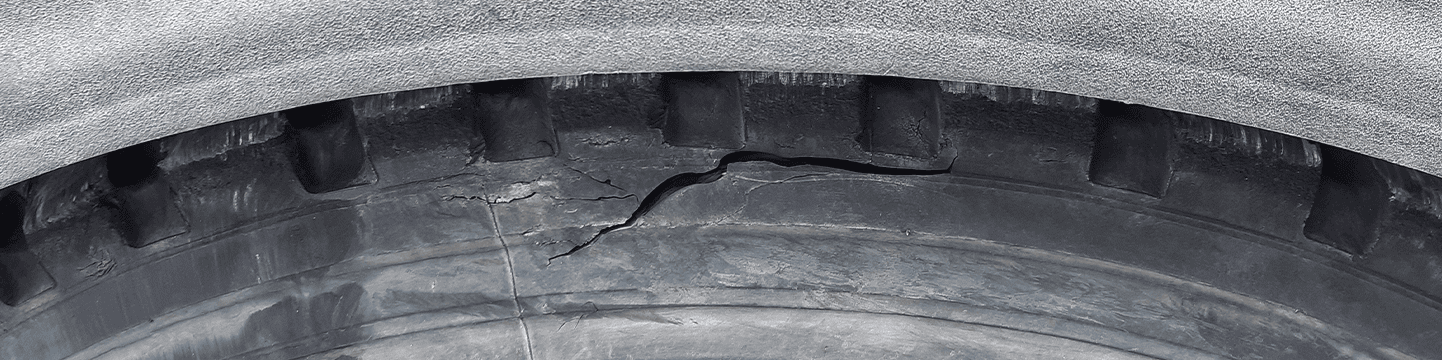
- Cuts and tears – even a small cut or tear in the sidewall can penetrate it and leave the inner cords vulnerable to damage. This can be caused by sharp objects on the road or potholes, for example.
- Scuffs – marks from rubbing against kerbs or rough surfaces are typically only cosmetic issues unless they leave cords exposed.
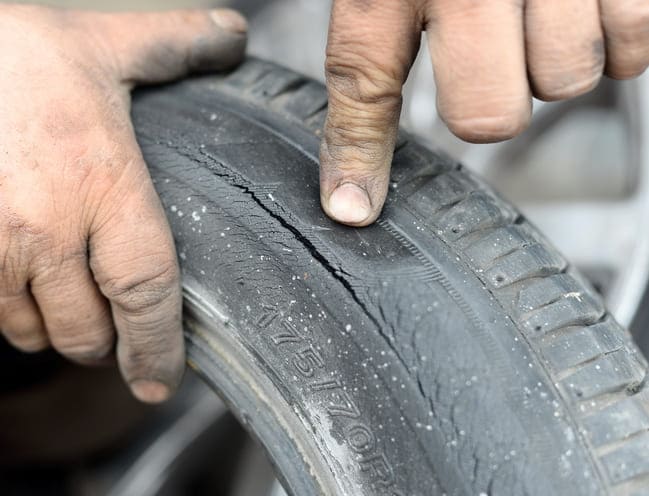
- Cracks – cracking occurs due to ageing, UV exposure, or prolonged underinflation, weakening the rubber over time.
- Bulging – a bulge in the tyre wall indicates internal structural damage, often from hitting kerbs or potholes, causing air to escape into the rubber layers.
- Punctures – while punctures in the sidewall are rare, they are costly and can’t be repaired like other punctures.
- Impact damage – visible deformation or splits caused by hitting obstacles at high speed or with excessive force.
- Bead area damage – damage near the rim, often caused due to tyres being mounted and dismounted poorly.
Sold by AUTODOC Sold by AUTODOC Sold by AUTODOC Sold by AUTODOC Sold by AUTODOC
Milever All Season Versat MC545

 Article number


 B
70 dB
B
70 dB
 £48.49
Price per item
£193.96 / Price per 4 items
price incl. 20% VAT, free delivery
-36%
Bridgestone Turanza T005
£48.49
Price per item
£193.96 / Price per 4 items
price incl. 20% VAT, free delivery
-36%
Bridgestone Turanza T005

 Article number

 B
70 dB
compared to
RRP
£222.58
£140.49
Price per item
£561.96 / Price per 4 items
price incl. 20% VAT, free delivery
Nankang NS-20
B
70 dB
compared to
RRP
£222.58
£140.49
Price per item
£561.96 / Price per 4 items
price incl. 20% VAT, free delivery
Nankang NS-20

 Article number
 B
71 dB
£73.99
Price per item
£295.96 / Price per 4 items
price incl. 20% VAT, free delivery
Nankang Noble Sport NS-20
B
71 dB
£73.99
Price per item
£295.96 / Price per 4 items
price incl. 20% VAT, free delivery
Nankang Noble Sport NS-20
 Article number
 B
72 dB
£79.99
Price per item
£319.96 / Price per 4 items
price incl. 20% VAT, free delivery
-53%
Pirelli PZERO XL J TL
B
72 dB
£79.99
Price per item
£319.96 / Price per 4 items
price incl. 20% VAT, free delivery
-53%
Pirelli PZERO XL J TL

 Article number
B
71 dB
compared to
RRP
£397.76
£186.49
Price per item
£745.96 / Price per 4 items
price incl. 20% VAT, free delivery
Article number
B
71 dB
compared to
RRP
£397.76
£186.49
Price per item
£745.96 / Price per 4 items
price incl. 20% VAT, free delivery
Tyre sidewall damage causes
Here are the most common reasons for tyre damage:
- Impacts: hitting potholes, kerbs, or sharp objects can tear or cut the sidewall.
- Overloading: excessive vehicle weight strains the rubber and structure, leading to damage.
- Improper inflation: underinflation causes flexing, while overinflation increases rigidity, both risking sidewall damage.
- Ageing and weathering: prolonged exposure to sunlight, ozone, and heat deteriorates the sidewall rubber.
- Manufacturing defects: rare flaws in the tyre's construction can weaken sidewalls.
- Aggressive driving habits: sharp turns, drifting, or extreme cornering stress the sidewalls.
Is damage to the sidewall dangerous?
Yes, sidewall damage is highly dangerous if left undealt with. The tyre sidewall plays a crucial role in maintaining the structural integrity and stability of the tyre. Any cuts, bulges, cracks, or tears in the sidewall weaken its ability to withstand pressure and absorb shocks, increasing the risk of a blowout.
It can lead to sudden failure, potentially resulting in loss of control or a serious accident, especially at high speeds. Immediate replacement of a damaged tyre is essential to ensure safety on the road.
Can you drive on a tyre with a damaged sidewall?
You should under no circumstances continue driving if the sidewall is defective, i.e. there are cuts, tears, cracks, bulges, or other damage. This is because the tyre is no longer stable and could burst or deflate at any moment. The best thing to do is take the car directly to a mechanic who can get it replaced.
Tyre wall repair
Repairing tyre sidewalls is not recommended and is considered unsafe. The sidewall is a critical structural component of the tyre, responsible for supporting the vehicle's weight, maintaining stability, and absorbing road impacts.
Unlike the tread area, it lacks reinforcing materials like steel belts, making it vulnerable after damage. Patches or plugs cannot restore the wall's original strength, increasing the risk of blowouts or accidents. Most manufacturers and safety guidelines strictly advise against attempting sidewall repairs.
Recommended Article
Low profile tyres: meaning, pressure, problems, advantages and disadvantages
Tyre sidewall damage law UK
UK law mandates that tyres must be free from cuts, bulges, or any damage exposing the cord or ply, as well as excessive wear. Such defects compromise tyre integrity and can lead to serious road accidents.
Driving with damaged sidewalls can result in penalties, including costly fines and points on your driving licence. Regularly inspect your tyres for any signs of sidewall damage, and replace them immediately if defects are found to comply with UK law and maintain safety.
Sold by AUTODOC Sold by AUTODOC Sold by AUTODOC Sold by AUTODOC Sold by AUTODOC
Cooper Cobra Radial G/T

 Article number
 B
74 dB
£144.49
Price per item
£577.96 / Price per 4 items
price incl. 20% VAT, free delivery
Kumho Ecsta PS91
B
74 dB
£144.49
Price per item
£577.96 / Price per 4 items
price incl. 20% VAT, free delivery
Kumho Ecsta PS91

 Article number
B
73 dB
£182.49
Price per item
£729.96 / Price per 4 items
price incl. 20% VAT, free delivery
Rovelo RHP-780P
Article number
B
73 dB
£182.49
Price per item
£729.96 / Price per 4 items
price incl. 20% VAT, free delivery
Rovelo RHP-780P

 Article number
B
70 dB
£32.49
Price per item
£129.96 / Price per 4 items
price incl. 20% VAT, free delivery
Rotalla Ice-Plus S210
Article number
B
70 dB
£32.49
Price per item
£129.96 / Price per 4 items
price incl. 20% VAT, free delivery
Rotalla Ice-Plus S210

 Article number
B
71 dB
£61.49
Price per item
£245.96 / Price per 4 items
price incl. 20% VAT, free delivery
Minerva F205 XL TL
Article number
B
71 dB
£61.49
Price per item
£245.96 / Price per 4 items
price incl. 20% VAT, free delivery
Minerva F205 XL TL

 Article number
B
71 dB
£61.49
Price per item
£245.96 / Price per 4 items
price incl. 20% VAT, free delivery
Article number
B
71 dB
£61.49
Price per item
£245.96 / Price per 4 items
price incl. 20% VAT, free delivery
How to prevent sidewall damage
Here’s how you can prevent tyre sidewall damage:
- Avoid potholes and kerbs – steer clear of road hazards to reduce the risk of impacts.
- Maintain proper inflation – regularly check and maintain the recommended tyre pressures using a car tyre pressure gauge to prevent strain.
- Avoid overloading – do not exceed the vehicle's load capacity.
- Drive carefully – avoid aggressive driving, making sharp turns, and cornering at high speeds.
- Regular inspections – check for cracks, bulges, or other signs of wear and address issues promptly.
- Park wisely – avoid prolonged exposure to direct sunlight or extreme temperatures.
- Invest in quality – choose durable tyres that are compatible with the vehicle and driving conditions.
- Use quality car rubber care products to avoid damaging the rubber.
Top products related to this topic: