Problems with the Hyundai ix35

Reliability Hyundai ix35: common problems, issues symptoms and faults
- Timing chain problems with the 2.0 CRDi engine: The timing chain can show signs of wear from 80,000-120,000 km, especially with the 2.0 CRDi 4WD 184 hp engine. Typical symptoms are rattling noises at cold start and uneven engine running.
- Automatic transmission faults: The automatic transmission often exhibits problems between 100,000-150,000 km, with jerky shifting or complete failure. Vehicles built in 2012 are particularly affected.
- Air conditioning not working: The air conditioning system can lose its cooling capacity or fail completely after just 60,000-80,000 km. Common causes are defective compressors or leaking pipes in the system.
- All-wheel drive system breakdowns: The all-wheel drive system in the 2.0 CRDi 4WD shows weak points from around 90,000 km, with the electronic control unit frequently reporting errors and the system not switching properly between drive modes.
Hyundai ix35: Problems with the timing chain on the 2.0 CRDi engine
The timing chain on the Hyundai ix35 with 2.0 CRDi engine frequently exhibits faults, which are noticeable through characteristic rattling noises during cold starts. These symptoms typically occur between 80,000 and 120,000 km, but can also occur earlier if insufficient maintenance is carried out. The 2.0 CRDi 4WD 184 hp engine is particularly susceptible to these problems, as the higher power puts additional stress on the timing chain. Engine reliability is heavily dependent on regular maintenance, and delayed or inadequate care can lead to premature wear. Other complaints include rough engine running and loss of power, which indicate a stretched or damaged timing chain.
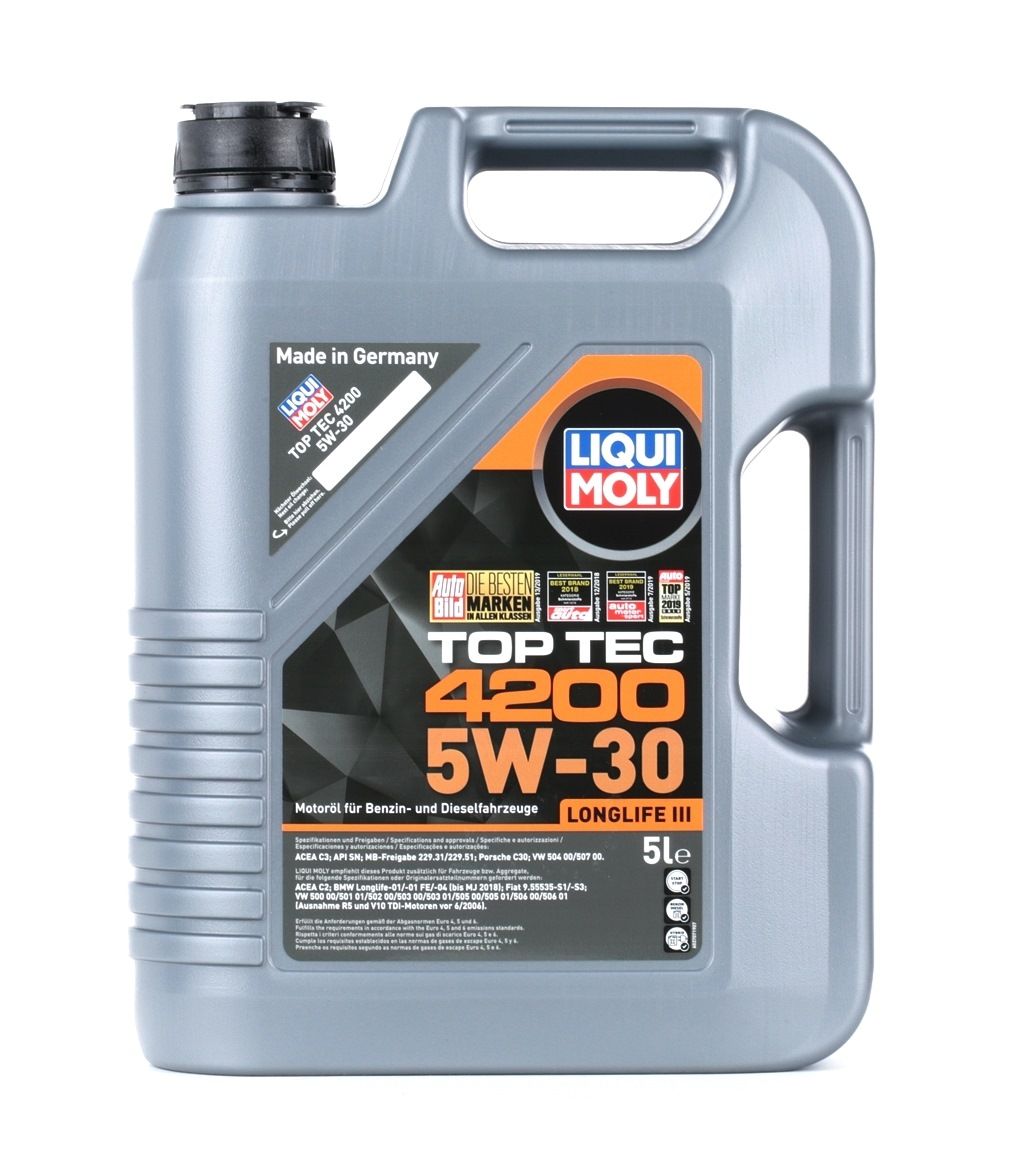
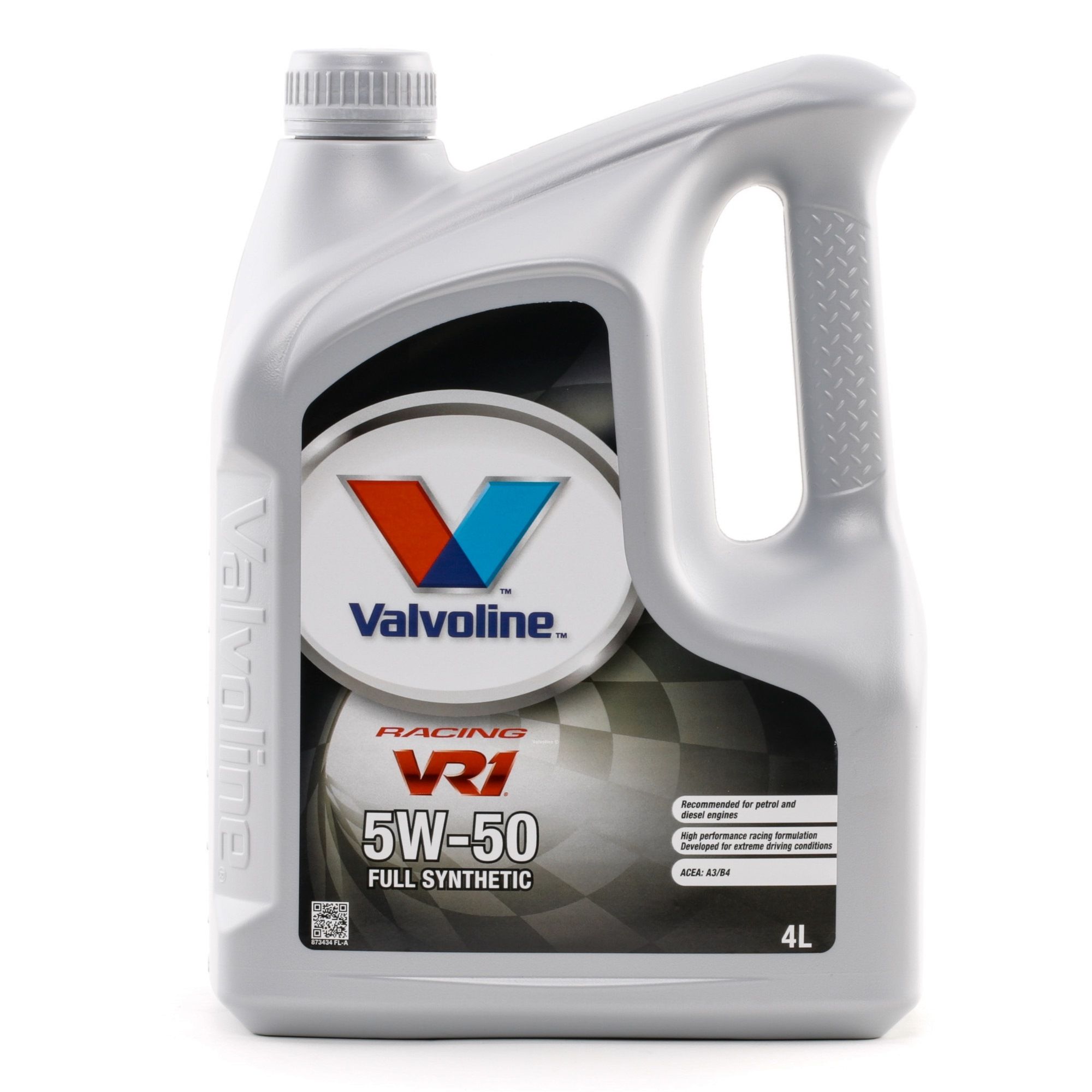
A systematic check is essential for early detection of timing chain problems. The sensitive Hyundai ix35 timing chains require regular checks every 60,000 km and engine oil changes at shorter intervals than recommended by the manufacturer. Diagnosis is carried out by visually checking the chain tension and listening to the engine noise at various engine speeds. At the first sign of wear, the entire timing chain, including tensioners and guide rails, should be replaced to avoid more costly consequential damage to the engine. The service life of the timing chain can be considerably extended by using high-quality engine oils and shorter replacement intervals.
Hyundai ix35: Problems with the automatic transmission

The automatic transmission of the Hyundai ix35 does not shift properly or does not shift between gears, which leads to considerable driving restrictions. These problems often manifest themselves between 100,000 and 150,000 km mileage, with vehicles from the 2012 model year being particularly affected. Typical symptoms include jerky gear changes, delayed gear changes and, in severe cases, complete gearbox failure. The breakdowns can occur in both the 6-speed automatic and CVT variants, with reliability highly dependent on maintenance history. Other common complaints include the transmission warning light coming on and unusual noises during gear changes.
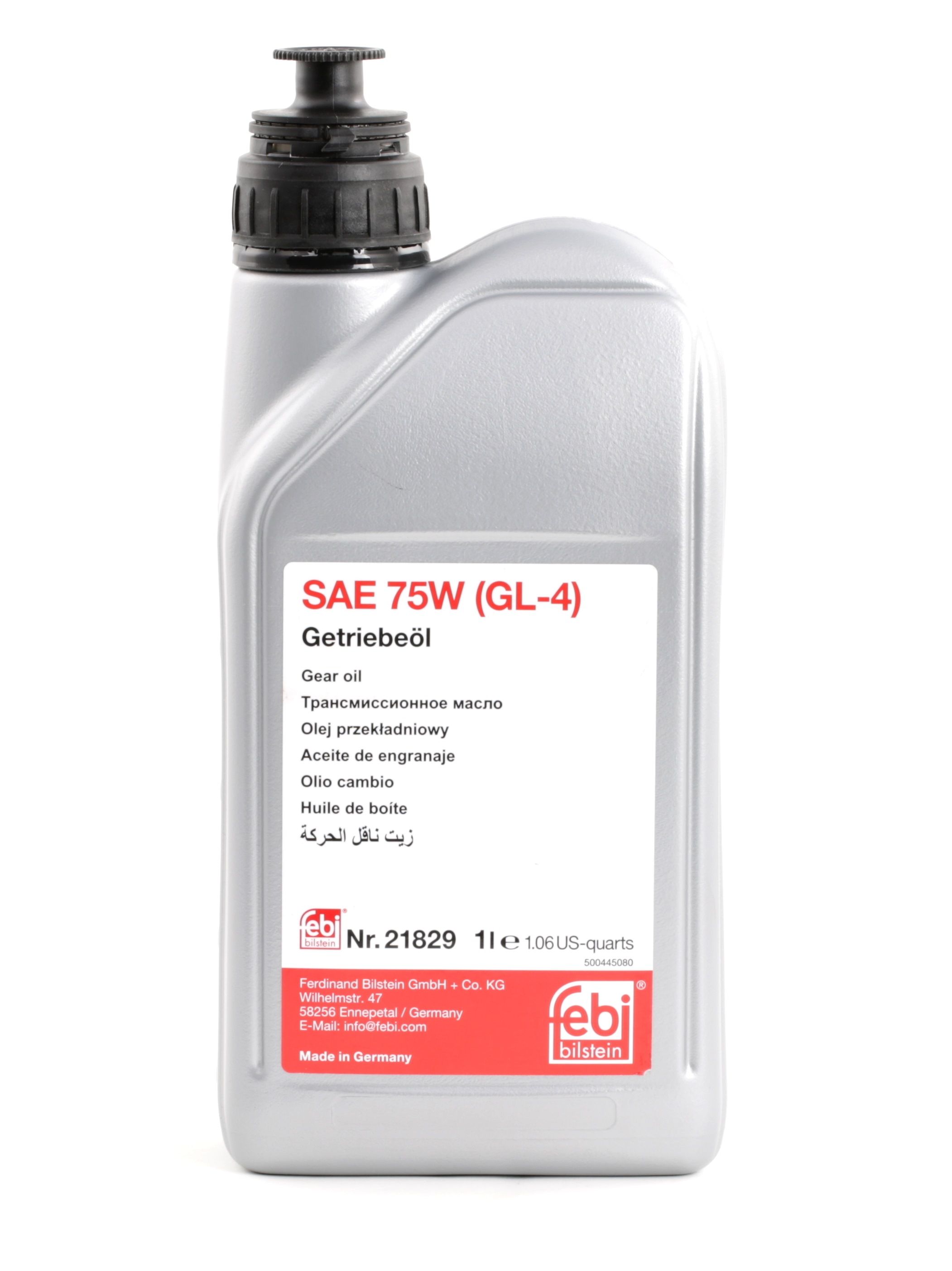
Professional maintenance is crucial for the longevity of the transmission. The complex Hyundai ix35 automatic transmissions require regular flushing of the transmission fluid every 60,000 km as well as checks of the electronic control unit. Diagnosis is carried out using an OBD scanner to read error codes and check the transmission fluid for contamination or metal particles. If detected at an early stage, it is often only possible to replace the solenoid valves or the control unit, whereas a complete transmission overhaul is necessary in the case of advanced wear. Preventive measures such as smooth driving and regular maintenance can extend the service life considerably.
Hyundai ix35: Problems with the air conditioning system
The air conditioning system of the Hyundai ix35 no longer works properly or loses its cooling capacity, which leads to a considerable loss of comfort, especially in the summer months. These faults typically occur between 60,000 and 80,000 km, with a second wave of problems observed around 120,000 km. Common symptoms are warm air from the nozzles, unusual noises from the compressor or complete failure of the system. The weak points are often in the air conditioning compressor, the condenser lines or the expansion valve. Particularly in vehicles with cruise control and other electronic systems, air conditioning problems can affect the entire electronic system.
Regular maintenance is essential for the air conditioning system to function optimally. The sensitive Hyundai ix35 air conditioning systems require annual checks of the refrigerant level and cleaning of the condensers to remove dirt and insects. The diagnosis includes pressure measurements in the refrigerant circuit, checking the electrical connections and functional testing of the compressor. In the event of refrigerant loss, the leaks must first be localized and sealed before refilling. Preventive measures such as regular use, even in winter, and replacing the cabin filter every 15,000 km can significantly extend the service life of the system.
Hyundai ix35: Problems with the all-wheel drive system

The all-wheel drive system in the Hyundai ix35 2.0 CRDi 4WD shows faults, which are noticeable through error messages in the display and uneven power distribution. These problems often occur from 90,000 km, with a second wave of problems around 140,000 km, especially on the 2.0 CRDi 4WD 184 hp model. Typical symptoms include the AWD warning light coming on, jerky movements when starting off and the system not switching between 2WD and 4WD mode. The weak points often lie in the electronic control unit, the clutch plates of the rear axle or the sensors for wheel speed measurement. Other complaints relate to unusual noises from the rear and increased fuel consumption.
A professional inspection is necessary for the correct diagnosis of all-wheel drive problems. The complex Hyundai ix35 all-wheel drive systems require specialized diagnostic equipment to read out the control unit data and check the function of the individual components. Maintenance includes regular checks of the rear axle gearbox oil every 40,000 km and checking the electronic sensors for contamination or damage. In the event of electronic faults, reprogramming the control units can often help, while mechanical faults require the clutch unit to be replaced. Reliability can be significantly improved by treating the system with care and avoiding extreme driving maneuvers.
Hyundai ix35: Problems with the engine and clutch
The 1.7 CRDi and 1.6 GDI engines of the Hyundai ix35 have specific weak points which manifest themselves in different mileage ranges. With the 1.7 CRDi, problems with the high-pressure pump occur from 70,000 km, while the 1.6 GDI engine develops problems with the direct injection around 90,000 km. The clutch in manual transmissions shows signs of wear between 80,000 and 120,000 km, depending on driving style. Typical symptoms are loss of power, rough idling in diesel engines and grinding noises from the clutch. The reversing camera can also be affected by electronic problems, which are manifested by image loss or distortion.
A systematic check is essential for the early detection of engine and clutch problems. The precise Hyundai ix35 injection systems require regular cleaning with special additives and shorter oil change intervals for short journeys. Diagnostics include compression measurements, checking the injectors and, in the case of the clutch, measuring the release travel. Preventive measures such as high-quality fuel, regular highway driving to regenerate the particulate filter and careful handling of the clutch can significantly extend the service life. With early intervention, repairs can often be carried out at low cost.
Additional common faults of the Hyundai ix35
Based on the experiences of Hyundai ix35 owners, the following additional problems occur:
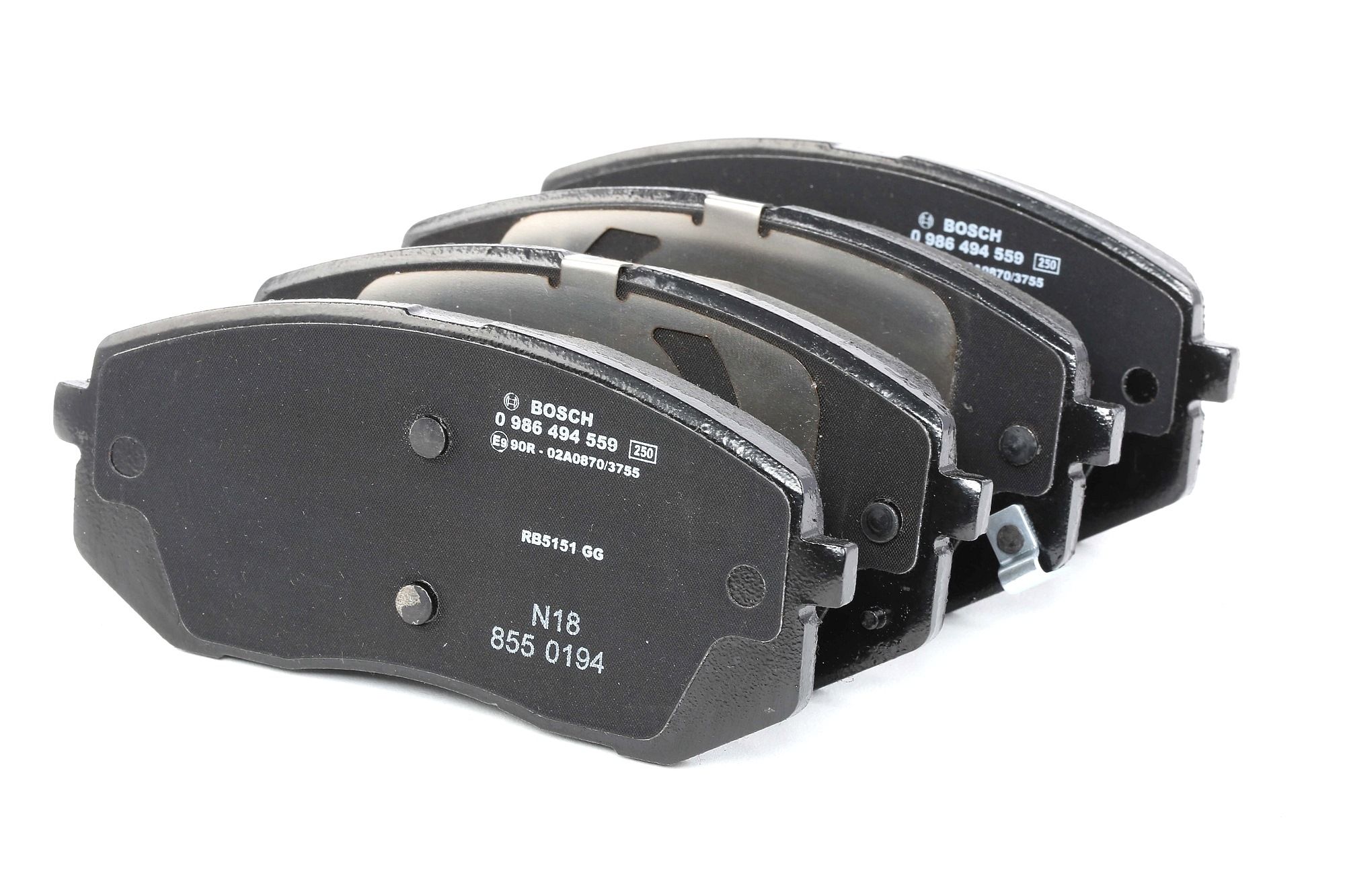
- Electronic parking brake faults: often occur after 80,000-100,000 km, often caused by brake pad wear or faulty actuators.
- Turbocharger problems in the 2.0 CRDi: Can occur as early as 120,000 km, especially with inadequate maintenance or short journeys.
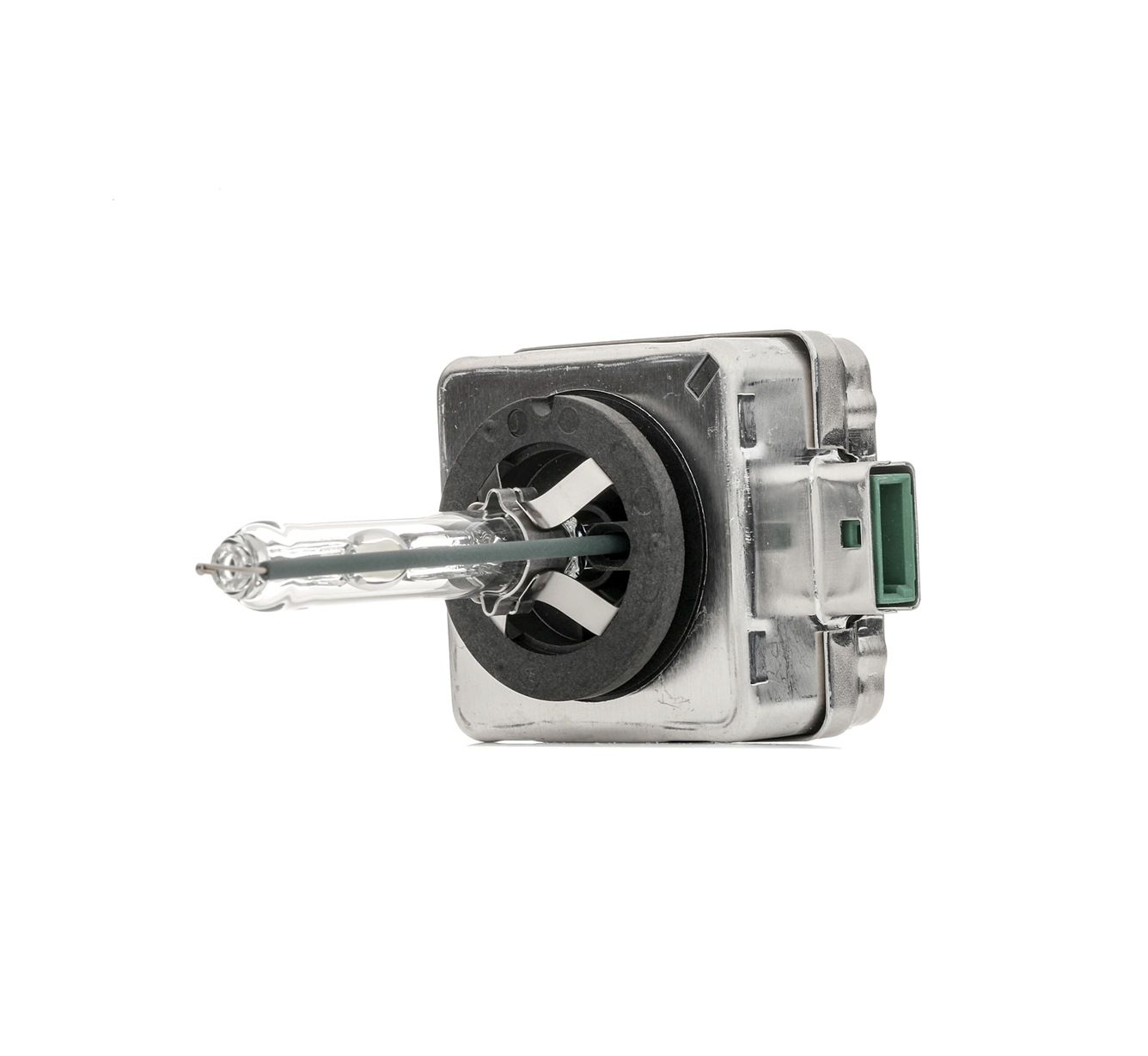
- Defective xenon headlights: Typically after 60,000-80,000 km, often due to defective ballasts or burners.
- Problems with the tailgate: Electric tailgate can show faults after 70,000 km, often due to defective motors or sensors.
- Fuel pump failures: Often occur after 100,000-130,000 km, especially with frequent low fuel level driving.
- Immobilizer problems: Can occur as early as 50,000 km, often due to defective transponder keys or control unit faults.

Hyundai ix35: weaknesses and strengths
| Strengths |
Weak points |
| Generous amount of space |
Timing chain problems with the 2.0 CRDi |
| Good off-road capability with all-wheel drive |
Automatic transmission faults |
| Extensive standard equipment |
Air conditioning does not work |
| Solid build quality |
All-wheel drive system breakdowns |
| Attractive price-performance ratio |
Electronic parking brake error |
| High seating position |
Turbocharger problems |
| Good visibility |
Fuel pump failures |
The Hyundai ix35 presents itself as a versatile SUV with good everyday characteristics, but it has specific weak points that require regular attention. Especially the more complex systems such as all-wheel drive, automatic transmission and air conditioning require consistent maintenance. With preventive measures and timely intervention, most problems can be successfully avoided or rectified cost-effectively, which can significantly improve the service life and reliability of the vehicle.


 13 October 2025 (updated)