Table of Contents

 16 December 2025 (updated)
 Ford Focus common problems: your complete guide to gearbox, engine, and ECU issues (2011–2018)
The third-generation Ford Focus, introduced in 2011, quickly won over drivers with its sharp handling and well-balanced chassis. When matched with one of the punchier turbo engines, it’s genuinely fun to drive. But with more than a decade on the road, a few common issues have started to show up. Here’s a look at what to expect – and what those fixes might cost.
Engine troubles: what to expect

1.6-litre petrol engines
Petrol engines in the Focus generally hold up well and can clock up high mileage if you follow the recommended service schedule. That said, a few weak spots tend to show up as these engines get older:
- Dirty idle control valve – causes erratic idling and rough running
- Faulty thermostat housing – leads to cooling system problems
- Defective ignition coils – results in misfiring and poor performance
- Leaking exhaust manifolds – creates noise and emission issues
Most of these problems can be sorted with quality Ford Focus spare parts from reputable suppliers, keeping repair costs reasonable.
1.6-litre diesel engines
The diesel variants aren't immune to issues either. Common problems include:
- Injection pump failures – expensive to repair, typically costing £800–1,500
- Turbocharger problems – often accompanied by loss of power
- Camshaft sensor faults – cause starting difficulties and erratic running
1.6 TDCI injector problems
Diesel injector issues are particularly notorious in online forums. You'll typically encounter:
- Injector leakage – fuel seeps into the engine bay when seals fail
- Clogged injectors – debris blocks fuel flow, reducing performance
- High-pressure fuel pump failures – leads to power loss and poor running
When replacement becomes necessary, Ford Focus injector prices vary significantly depending on whether you choose genuine, OEM, or aftermarket parts.
Recommended Article
Ford Focus engines
Automatic gearbox headaches
The automatic transmission in the Ford Focus has earned a reputation for several frustrating problems:
- Gear change shudder – particularly noticeable at low speeds
- Failure to engage gears – leaves you stranded
- Transmission slipping – engine revs without corresponding speed increase
- Delayed shifting – creates frustrating acceleration delays
ECU problems: when the brain goes wrong
The Engine Control Unit (ECU) acts as your car's brain, but it's not infallible. Common issues include:
- Faulty sensors – send incorrect signals, affecting performance and fuel economy
- Wiring problems – cause misfiring, stalling, and reduced power
- Software glitches – can cause complete ECU failure
AUTODOC mechanics strongly recommend having any Ford Focus ECU issues diagnosed by a professional mechanic or authorised dealer. They possess the expertise to determine whether reprogramming or complete replacement is necessary.
Sold by AUTODOC Sold by AUTODOC Sold by AUTODOC Sold by AUTODOC Sold by AUTODOC
-42%
 RIDEX Tyre pressure sensor (TPMS)
with groove, with valves
Article number: 2232W0084
compared to
RRP
£43.80
£24.99£99.96 / Price per 4 items
price incl. 20% VAT, excl. delivery costs
RIDEX Tyre pressure sensor (TPMS)
with groove, with valves
Article number: 2232W0084
compared to
RRP
£43.80
£24.99£99.96 / Price per 4 items
price incl. 20% VAT, excl. delivery costs
 BOSCH Oil filter
Filter Insert
Article number: 1 457 429 249
£5.59price incl. 20% VAT, excl. delivery costs
BOSCH Oil filter
Filter Insert
Article number: 1 457 429 249
£5.59price incl. 20% VAT, excl. delivery costs
 Article number: V20-4300
More
£144.49price incl. 20% VAT, free delivery
Article number: V20-4300
More
£144.49price incl. 20% VAT, free delivery
 Article number: 1091033Z
£44.49price incl. 20% VAT, excl. delivery costs
-31%
Article number: 1091033Z
£44.49price incl. 20% VAT, excl. delivery costs
-31%
 AS-PL Starter solenoid
Article number: SS9027
compared to
RRP
£32.29
£21.99price incl. 20% VAT, excl. delivery costs
AS-PL Starter solenoid
Article number: SS9027
compared to
RRP
£32.29
£21.99price incl. 20% VAT, excl. delivery costs
Other common issues
Beyond the major systems, Focus owners report problems with the Ford Focus clutch, particularly in manual variants, and convertible roof mechanisms in CC models. Not every car experiences these issues, and Ford has addressed many problems in later production years.
Problem severity and typical costs
Knowing when problems usually pop up can help you plan for repairs or make smarter buying choices.
The table below shows when common issues tend to appear, based on mileage and age.
| Problem | Typical mileage | Age range | Severity (1–5) | Estimated cost |
|---|---|---|---|---|
| Idle control valve | 60,000–80,000 | 8–12 years | 2 | £100–200 |
| Injector problems | 80,000–120,000 | 10–15 years | 4 | £400–800 |
| Automatic gearbox | 70,000–100,000 | 8–12 years | 5 | £1,500–3,000 |
| ECU issues | 100,000+ | 12+ years | 4 | £500–1,200 |
| Thermostat housing | 50,000–70,000 | 6–10 years | 3 | £150–300 |
Model year reliability guide

Reliability can vary depending on the production year, so it’s worth knowing what to look out for when buying used.
Here’s a year-by-year breakdown to help you make an informed choice.
| Year | Reliability score | Key issues | Buying advice |
|---|---|---|---|
| 2011–2012 | 6/10 | Early gearbox problems | Avoid high-mileage examples |
| 2013–2014 | 7/10 | Improved gearbox, injector issues | Good balance of features/reliability |
| 2015–2016 | 8/10 | Most issues resolved | Sweet spot for used buyers |
| 2017–2018 | 8/10 | Reliable, fewer reported problems | Premium pricing, but worth it |

Frequently Asked Questions
What year Ford Focus should I avoid?
The 2011 and 2012 models have the highest number of reported issues, especially with automatic gearboxes. If you're looking at one of these, it's a good idea to set aside a bit more for possible repairs.
How long do Ford Focus engines typically last?
With regular maintenance, Focus engines often last between 150,000 and 200,000 miles. The 1.6-litre petrol versions are especially reliable, while diesel models may need a bit more care – particularly when it comes to the fuel system.
Is the Ford Focus expensive to maintain?
Maintenance costs are fairly reasonable compared to premium models. You can expect to spend around £300 to £500 a year on routine servicing, though you might see bigger bills now and then for issues like injectors or gearbox problems.
Should I buy a Ford Focus with high mileage?
High-mileage examples can be good value if they have complete service histories. However, budget £1,000–2,000 for potential repairs within the first year of ownership.
Can I prevent these common problems?
Staying on top of regular servicing is key. Make sure to keep up with oil changes, cooling system checks, and, for diesel models, fuel system care. A lot of common issues come down to skipped maintenance, not design faults.
Conclusion
The Ford Focus is still a strong contender in the compact car market, with great driving dynamics and sensible running costs. While a few issues are known to crop up, most are easy to manage if you plan ahead. If you're buying used, be sure to budget for possible repairs and always get a pre-purchase inspection from a qualified mechanic.
Sold by AUTODOC Sold by AUTODOC Sold by AUTODOC Sold by AUTODOC Sold by AUTODOC
 Article number: 015 68 N0
£10.99£43.96 / Price per 4 items
price incl. 20% VAT, excl. delivery costs
-46%
Article number: 015 68 N0
£10.99£43.96 / Price per 4 items
price incl. 20% VAT, excl. delivery costs
-46%
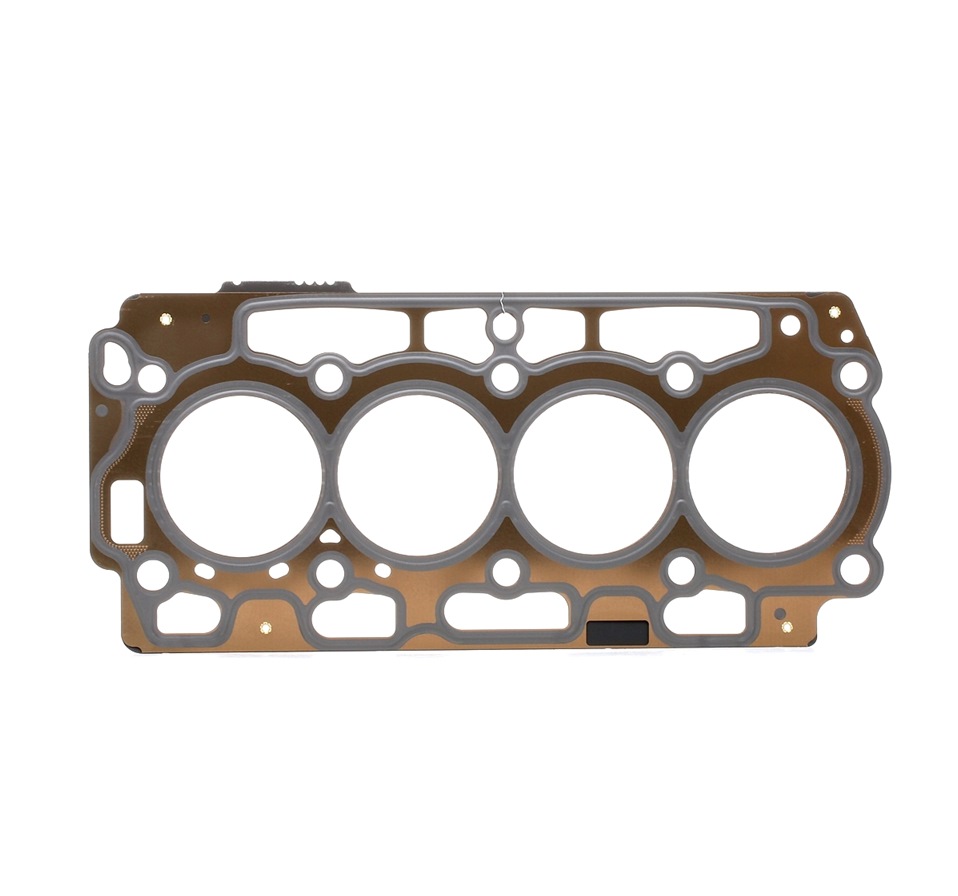 ELRING Gasket, cylinder head
1,4 mm, Ø: 76,3 mm, Multilayer Steel (MLS), Notches/Holes Number: 4
Article number: 718.341
compared to
RRP
£45.60
£24.49price incl. 20% VAT, excl. delivery costs
ELRING Gasket, cylinder head
1,4 mm, Ø: 76,3 mm, Multilayer Steel (MLS), Notches/Holes Number: 4
Article number: 718.341
compared to
RRP
£45.60
£24.49price incl. 20% VAT, excl. delivery costs
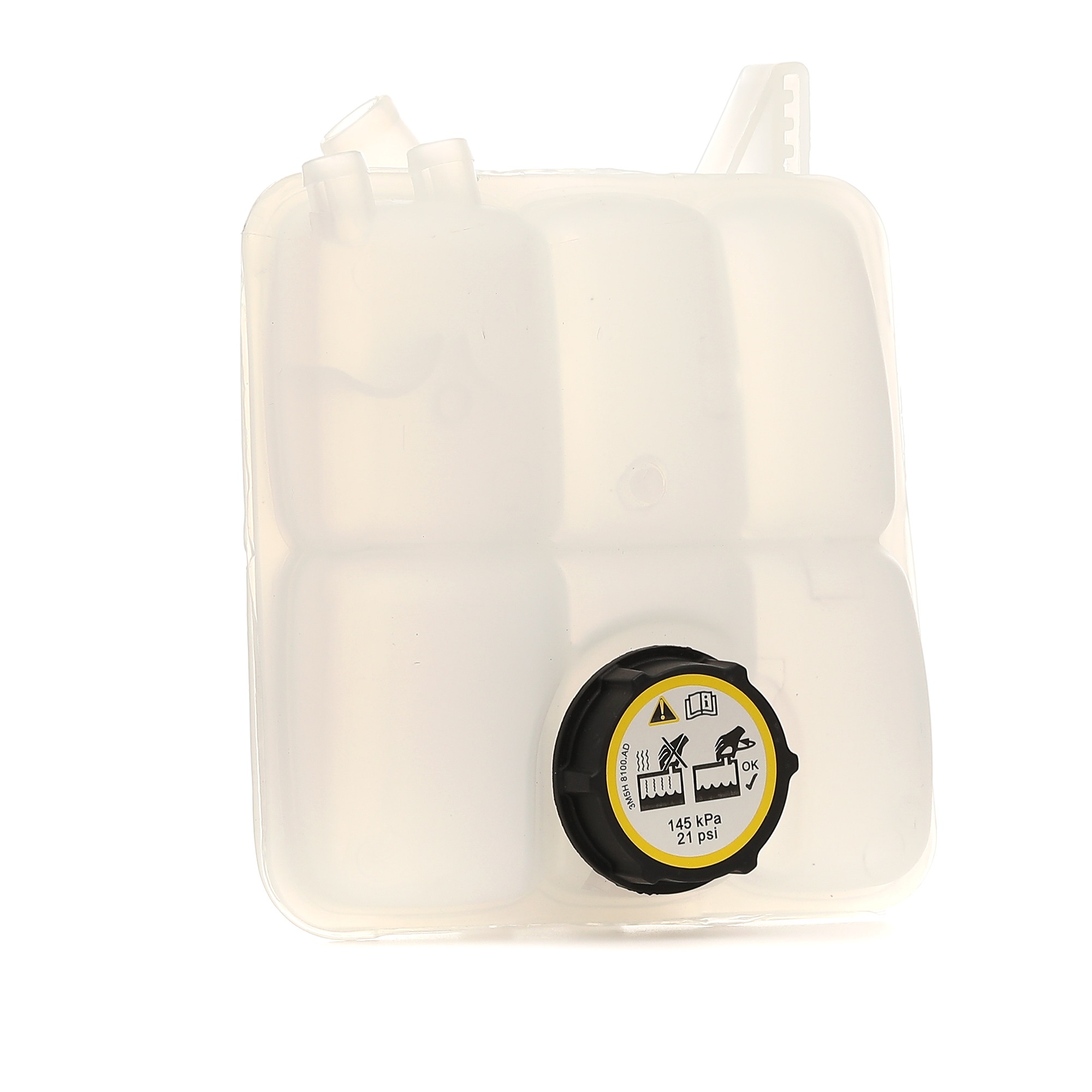 THERMOTEC Coolant expansion tank
Article number: DBG014TT
£13.99price incl. 20% VAT, excl. delivery costs
THERMOTEC Coolant expansion tank
Article number: DBG014TT
£13.99price incl. 20% VAT, excl. delivery costs
 Article number: VE18320
More
£30.49
£30.49
for 1 litre
price incl. 20% VAT, excl. delivery costs
Article number: VE18320
More
£30.49
£30.49
for 1 litre
price incl. 20% VAT, excl. delivery costs
 Article number: 00228320
£4.59£9.18 / Price per 2 items
price incl. 20% VAT, excl. delivery costs
Article number: 00228320
£4.59£9.18 / Price per 2 items
price incl. 20% VAT, excl. delivery costs
Useful videos on this topic:
How to change Engine Oil and Oil filter on FORD FOCUS 2 TUTORIAL
How to change a Pollen Filter FORD FOCUS 3 TUTORIAL
Top products related to this topic: