Problems with the Hyundai H1

Reliability Hyundai H1: common problems, issues symptoms and faults
- Turbocharger defects in 2.5 CRDi engines: The turbocharger shows signs of wear from 80,000-120,000 km, especially in the 140 hp and 170 hp variants. Typical symptoms are loss of power, black smoke from the exhaust and whistling noises when accelerating.
- Automatic transmission problems: The automatic transmission does not shift properly or jerks when changing gears. These complaints often occur between 60,000-100,000 km and can be caused by defective solenoid valves or worn clutches.
- Diesel particulate filter clogging: The DPF becomes clogged after 40,000-60,000 km with frequent short journeys. The engine control light comes on and the engine does not function optimally, which leads to increased fuel consumption.
- Starting problems in cold temperatures: The engine does not start or has difficulty starting at temperatures below 0°C. These breakdowns occur particularly in vehicles with a higher mileage of 80,000 km or more and are often due to defective glow plugs or fuel filters.
Hyundai H1: Problems with the turbocharger in 2.5 CRDi engines

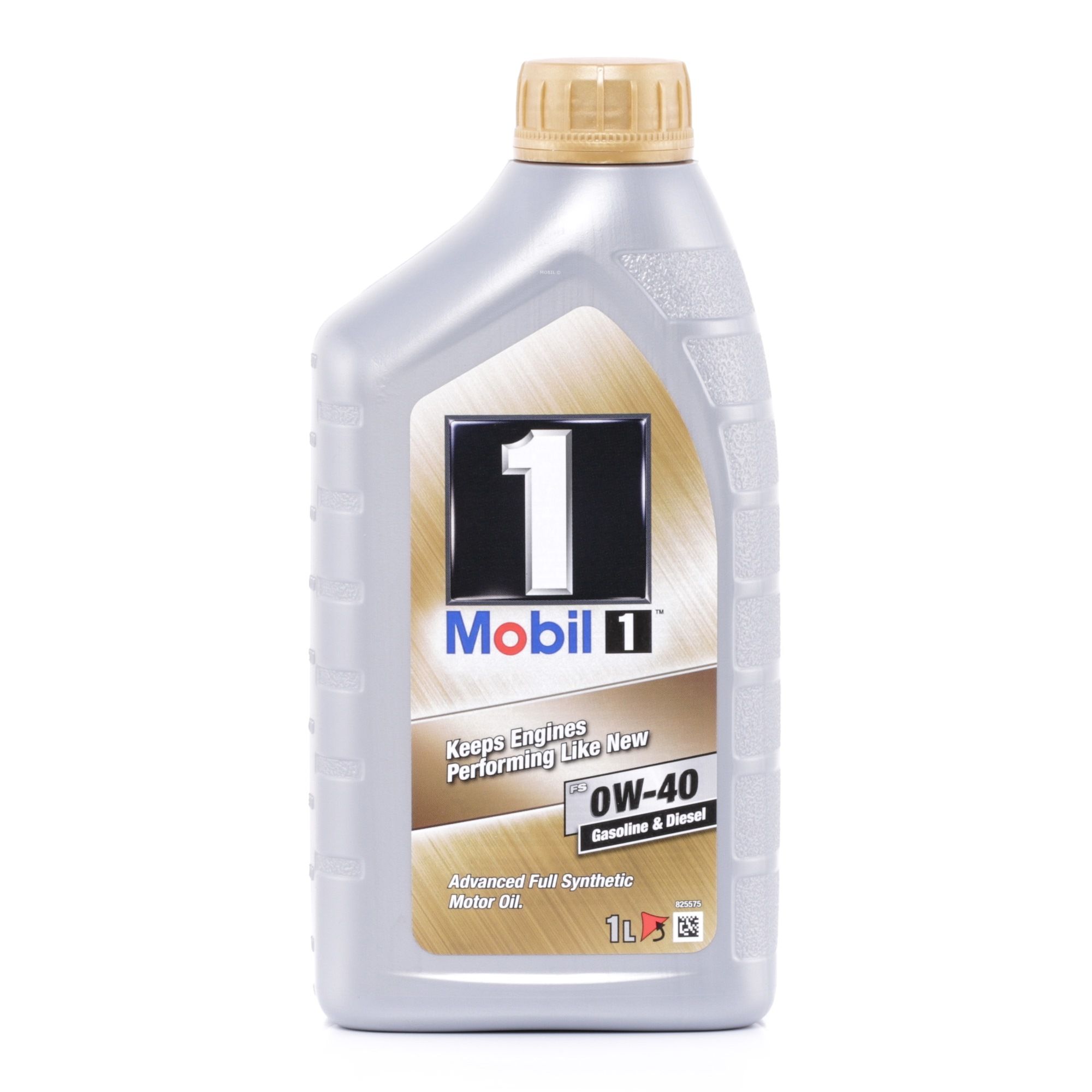
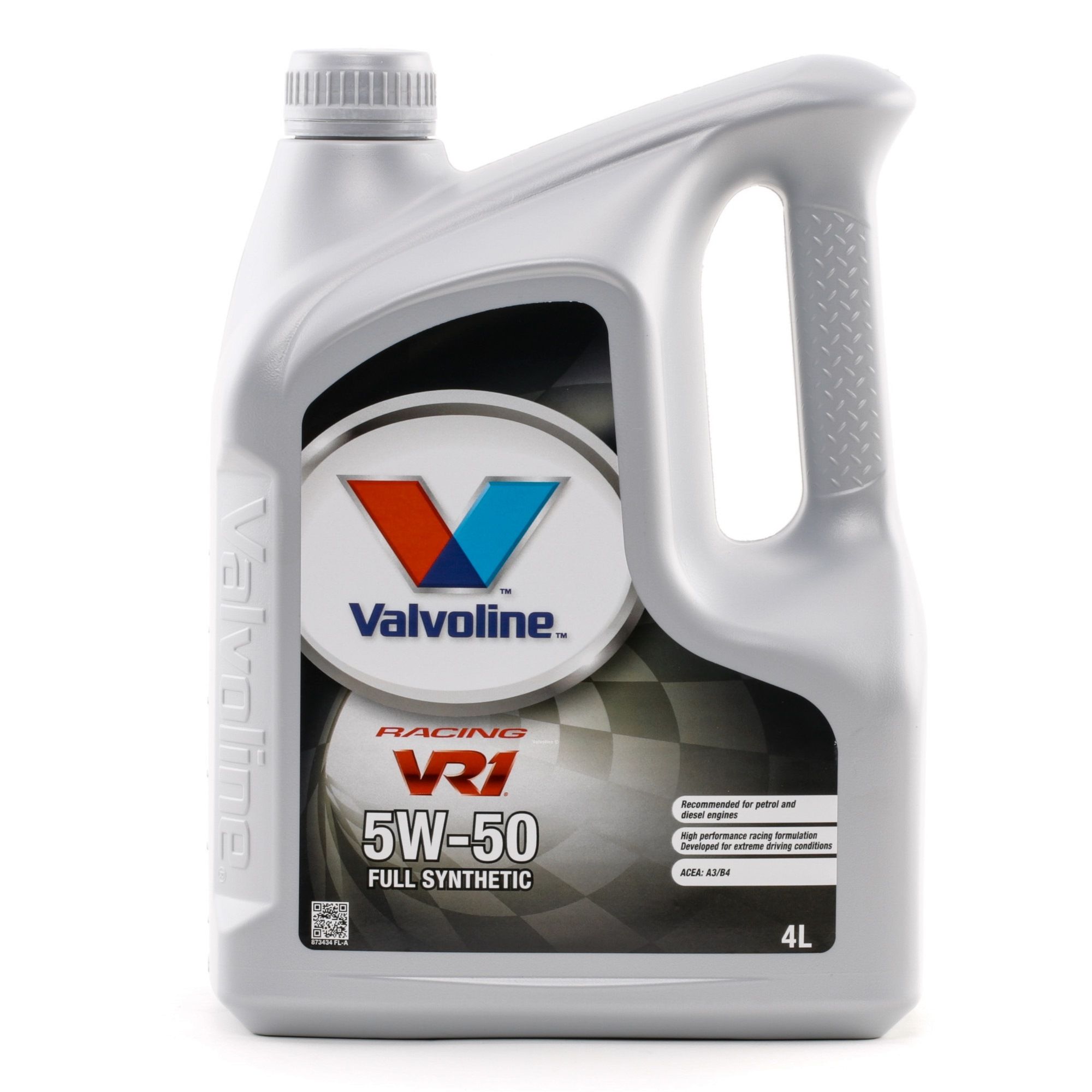
The turbocharger problems in the Hyundai H1 with 2.5 CRDi engine manifest themselves through various symptoms, particularly in the 140 hp and 170 hp variants. The turbocharger shows the first signs of wear from 80,000 km, and this can increase significantly around 120,000 km. Typical faults are loss of power, black or blue smoke from the exhaust, whistling or squealing noises when accelerating and increased oil consumption. The reliability of the turbocharger depends heavily on the quality of maintenance, with regular oil changes every 10,000 km being crucial for its service life. If maintenance is inadequate, the first damage can occur as early as 60,000 km.
Regular maintenance is essential for the longevity of the turbocharger. The sensitive Hyundai H1 turbocharger systems require special attention to oil quality and change intervals to prevent premature wear. A professional diagnosis using fault memory reading can detect problems at an early stage before costly repairs become necessary. Preventive treatment by using high-quality engine oils and regularly checking the air filters prevents major damage to the turbocharger.
Hyundai H1: Problems with the automatic transmission
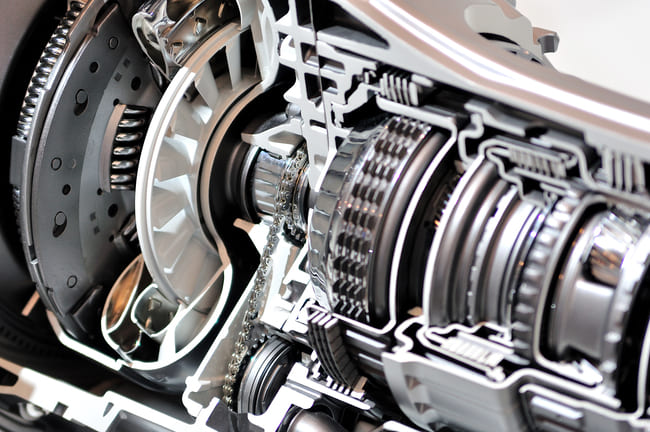
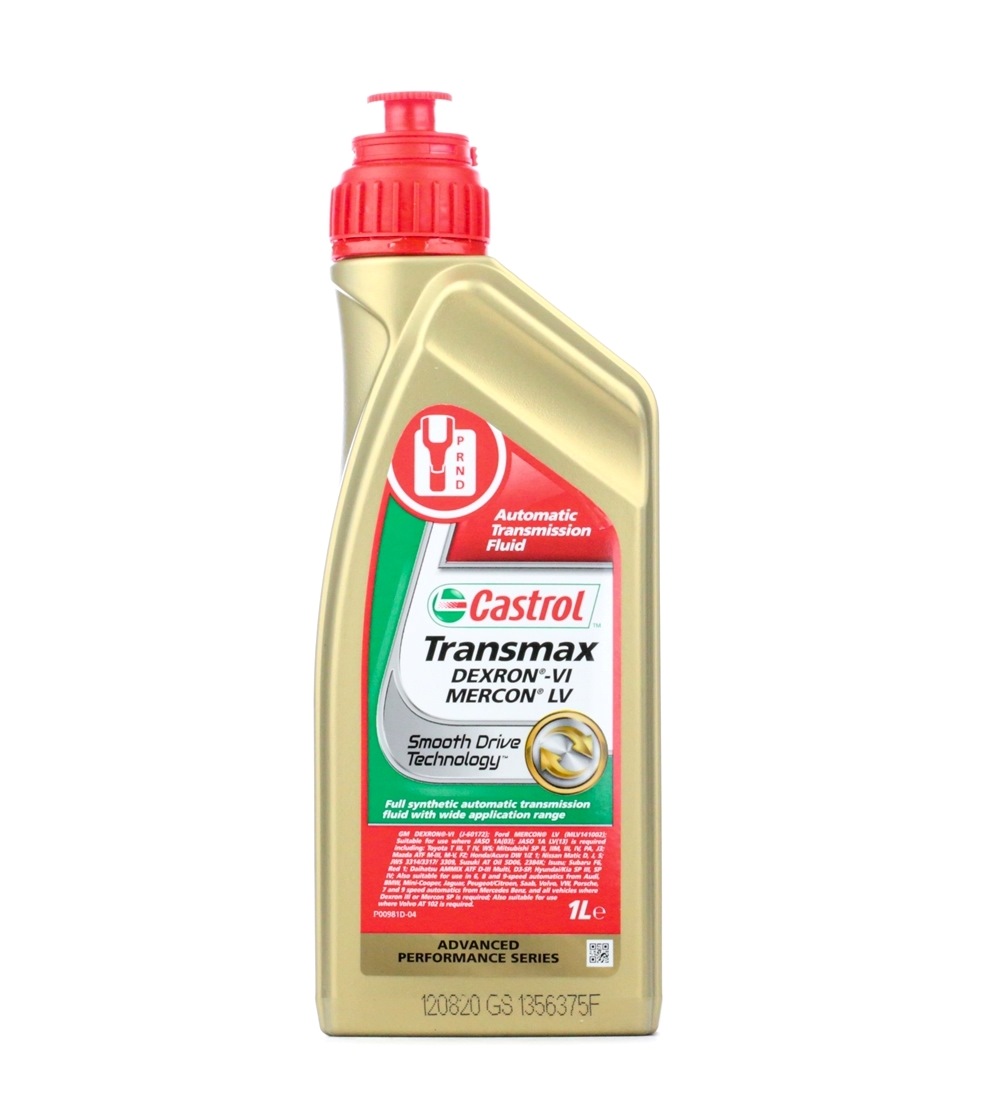
The automatic transmission of the Hyundai H1 shows frequent faults, which manifest themselves in jerky gear changes, delayed shifting or complete loss of certain gears. These symptoms typically occur between 60,000 and 100,000 km, with a second wave of problems observed around 150,000 km. The transmission does not shift properly, especially when shifting from first to second gear or during kickdown maneuvers. Common causes are defective solenoid valves, worn clutch linings or problems with the transmission control unit. The service life of the automatic transmission is strongly influenced by driving behavior and maintenance intervals, with frequent stop-and-go accelerating wear.
A systematic check is necessary to detect transmission damage at an early stage. The complex Hyundai H1 automatic transmission systems require regular flushing of the transmission fluid every 60,000 km and professional diagnosis at the first sign of shifting problems. A professional inspection can identify many problems by reading the fault codes and checking the oil level and quality before they lead to costly total damage.
Hyundai H1: Problems with the diesel particulate filter
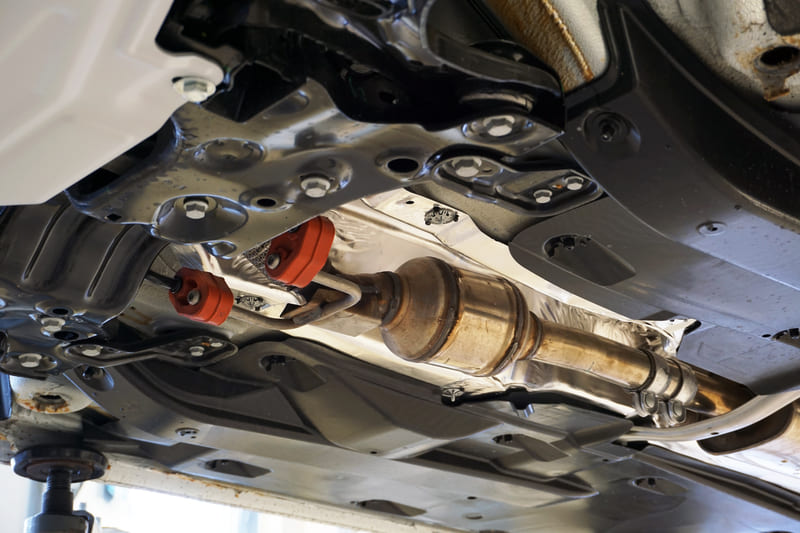
The diesel particulate filter (DPF) of the Hyundai H1 with 2.5 CRDi engine often clogs up in vehicles that are mainly used in city traffic or on short journeys. These complaints start as early as 40,000 km and increase by 60,000 km if the filter is not regularly burned free. The check engine light comes on, the engine does not function optimally and shows reduced torque. In addition, fuel consumption increases noticeably and error messages may appear in the on-board computer. If completely blocked, the engine can switch to emergency running, which drastically reduces performance. Breakdowns occur particularly frequently in winter, when the high exhaust gas temperatures required for regeneration are not reached.
Professional maintenance is crucial for the functionality of the DPF system. The sensitive Hyundai H1 diesel particulate filter systems require regular highway driving at higher engine speeds to enable automatic regeneration. Preventive treatment through occasional longer journeys at higher speeds and the use of DPF cleaning additives can significantly extend the life of the filter and avoid costly repairs.
Hyundai H1: Engine starting problems at cold temperatures
Starting problems at low temperatures are a well-known problem with the Hyundai H1, especially in older vehicles with a mileage of 80,000 km or more. The engine does not start or requires several attempts to start, especially at temperatures below 0°C. These symptoms are often caused by defective glow plugs, clogged fuel filters or problems with fuel delivery. The reliability of the starting system decreases with age, with a second wave of problems occurring around 120,000 km. In addition, problems with the battery or starter motor can exacerbate the starting problems. At very low temperatures, fuel quality can also play a role if diesel begins to gel.
A professional inspection is essential for diagnosing starting problems. The temperature-sensitive Hyundai H1 starting systems require regular checks of the glow plugs every 60,000 km and replacement of the fuel filter according to the maintenance schedule. A systematic check of the battery performance, fuel system and glow plugs can solve most starting problems and ensure reliability even at low temperatures.
Hyundai H1: Problems with the steering and suspension components
The steering of the Hyundai H1 shows various weak points, which become noticeable through uneven tire wear, vibrations in the steering wheel or imprecise steering. These faults typically occur after 70,000 km, although the first symptoms can appear after 50,000 km of intensive use. Common causes are worn tie rod ends, defective shock absorbers or problems with the ball bearings of the wheel suspension. The service life of the suspension components depends heavily on the operating conditions, with heavy loads and poor road conditions accelerating wear. Vehicles used as vans in particular show clear signs of wear around 100,000 km.
Regular maintenance is crucial for safety and driving comfort. The stressed Hyundai H1 suspension components require regular checks every 20,000 km in order to detect wear at an early stage. A professional wheel alignment and shock absorber check can identify many problems before they lead to safety risks or costly consequential damage to tires and other components.
Additional common defects of the Hyundai H1

Based on the experiences of Hyundai H1 drivers, the following additional problems occur:
- Air conditioning compressor defects: Occur frequently between 80,000-120,000 km, especially with intensive use in hot climates
- Water pump leaks: Typically manifest after 100,000-140,000 km due to coolant loss and overheating problems
- Brake wear on the rear axle: Uneven wear from 30,000-50,000 km, especially with heavy loads
- Electronic problems in the dashboard: Failure of displays and warning lights between 60,000-90,000 km
- Fuel pump defects: Predominantly occur after 120,000-160,000 km and are manifested by starting problems and loss of power
- Exhaust gas recirculation valve blockage: Particularly in 2.5 CRDi engines between 70,000-100,000 km due to soot deposits

Hyundai H1: weaknesses and strengths
| Strengths |
Weak points |
| Spacious interior and load capacity |
Turbocharger problems with higher mileage |
| Robust body and good workmanship |
Automatic transmission shortcomings |
| High engine output with 140 hp and 170 hp variants |
DPF clogging on short journeys |
| Good price-performance ratio |
Starting problems in cold weather |
| Low maintenance costs with proper care |
Chassis wear with heavy loads |
| Versatile application possibilities |
Vulnerable electronics |
| Reliable 2.5 CRDi engine with good maintenance |
Air conditioning problems |
The Hyundai H1 proves to be a fundamentally robust commercial vehicle, but it does require regular and conscientious maintenance. Most problems can be avoided through preventive measures and timely intervention. The turbo engines and automatic transmission in particular require regular checks to ensure the longevity of the vehicle. With proper maintenance, the H1 can achieve a service life of over 300,000 km.


 13 October 2025 (updated)