Problems with the VW Golf 5
Reliability VW Golf 5: common problems, issues symptoms and faults
- Central locking system does not lock all doors: The central locking system of the VW Golf 5 can cause problems from 60,000-80,000 km if individual doors no longer lock. This is particularly common with the front passenger door and the tailgate, which can lead to safety problems.
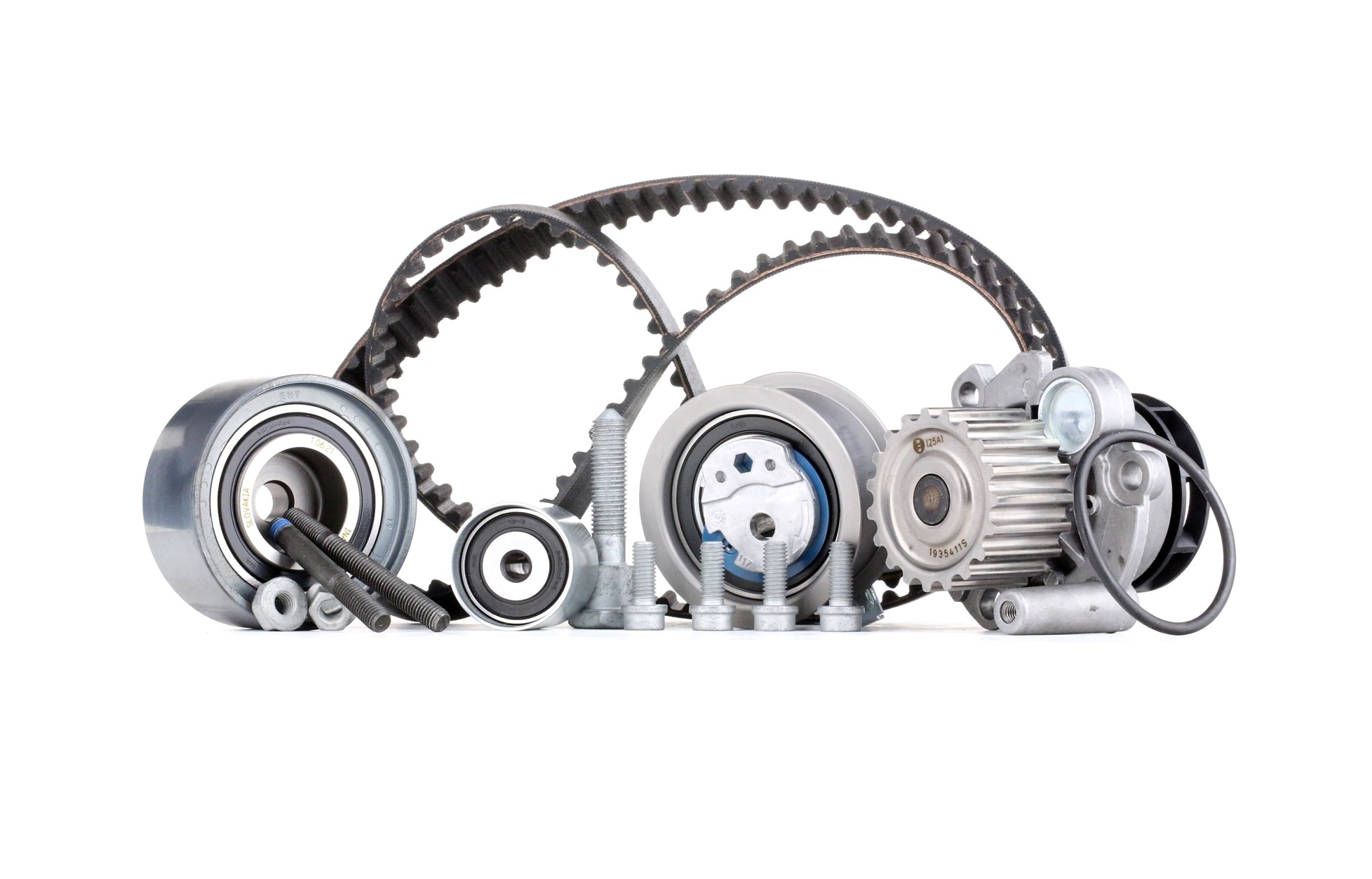
- Timing chain in the 1.6 FSI engine: The 1.6 FSI engine shows characteristic problems with the timing chain from 80,000-120,000 km. The typical rattling noise during a cold start indicates a stretched timing chain, which can lead to serious engine damage if not replaced in good time.
- DSG gearbox malfunctions: The DSG gearbox of the VW Golf 5 often develops problems between 100,000-150,000 km with jerky gear changes and clutch slippage. These symptoms occur particularly in stop-and-go traffic and can result in costly repairs.
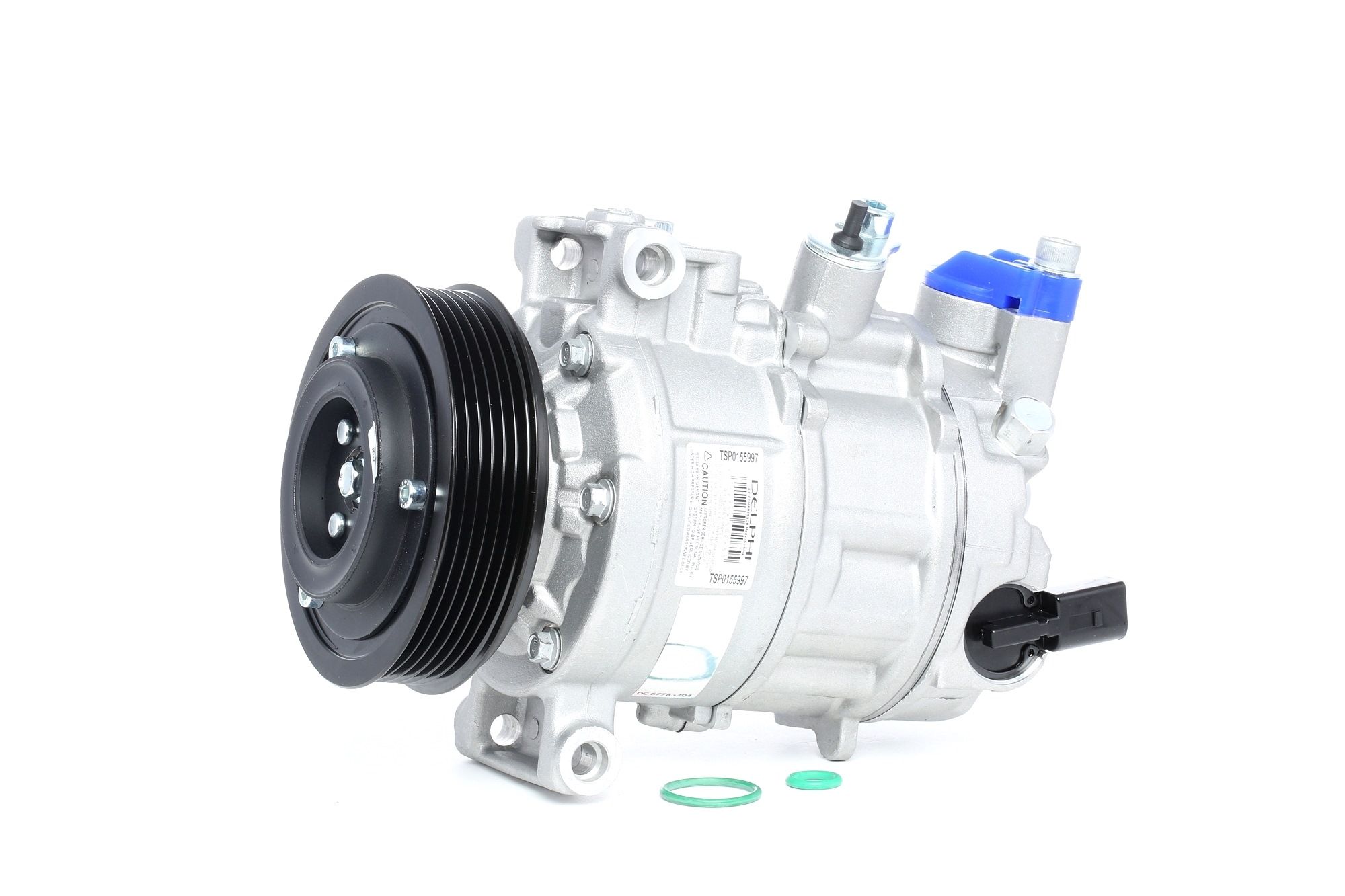
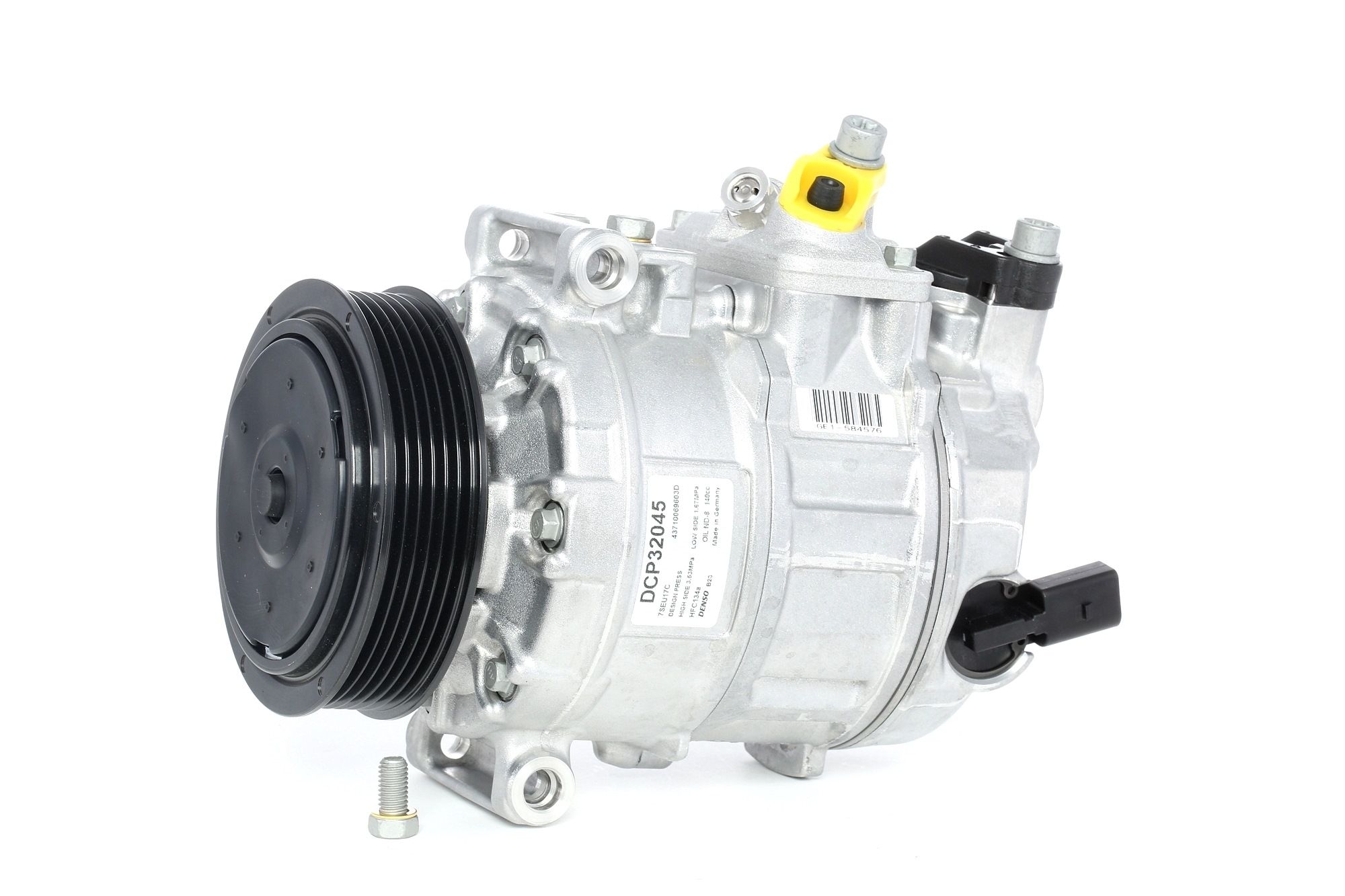
- Air conditioning system not cooling properly: From around 70,000-100,000 km, the air conditioning system often loses its cooling capacity due to defective compressors or leaking condensers. This manifests itself as warm air despite the cooling system being switched on and increased fuel consumption.
Volkswagen Golf 5: Problems with the central locking system
The central locking system of the VW Golf 5 frequently exhibits faults if not all doors close or open properly. The front passenger door in particular often opens while other doors function normally. These weak points occur more frequently in vehicles with higher mileage and can be caused by defective actuators, worn microswitches or problems in the control unit. The tailgate does not open in many cases due to a faulty tailgate lock, which significantly impairs the functionality of the vehicle. Symptoms also include the problem of the fuel filler cap not opening or the window no longer going up, indicating system-wide electronic problems.
A systematic check is essential for the proper functioning of the locking systems. The sensitive Golf 5 central locking components require regular checks of the actuators and microswitches, especially after 60,000 km. Diagnosis is carried out by reading the fault memory, with typical fault codes indicating defective components. Preventive maintenance by lubricating the locking mechanisms and replacing worn parts in good time can prevent major breakdowns and ensure the reliability of the system.
VW Golf 5: Problems with the timing chain in the 1.6 FSI engine
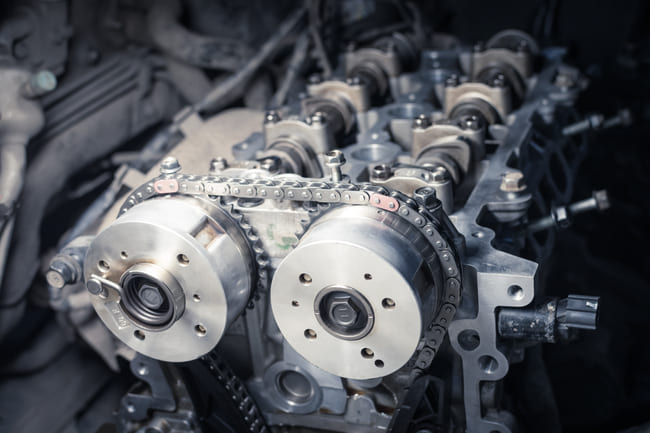
The 1.6 FSI engine of the VW Golf 5 with 102 hp or 116 hp shows characteristic complaints regarding the timing chain, which are noticeable by metallic rattling during cold starts. These common faults typically occur between 80,000 and 120,000 km, but can also occur earlier under unfavorable operating conditions. The timing chain stretches due to wear, which can lead to incorrect timing and, in the worst case, engine damage. Other symptoms include rough idling, loss of power and increased fuel consumption. With advanced stretching, the engine may not start or may run irregularly.
A professional inspection is required to detect timing chain problems in good time. The precise VW Golf 5 1.6 FSI timing chains require regular checks of the chain tension and tensioner system, especially on vehicles over 80,000 km. Diagnosis is carried out by listening to the engine when cold and checking the timing using a diagnostic device. Preventive replacement of the timing chain including tensioner and guide rails between 100,000-120,000 km prevents serious engine damage and ensures the service life of the engine.
Volkswagen Golf 5: Problems with the DSG automatic gearbox
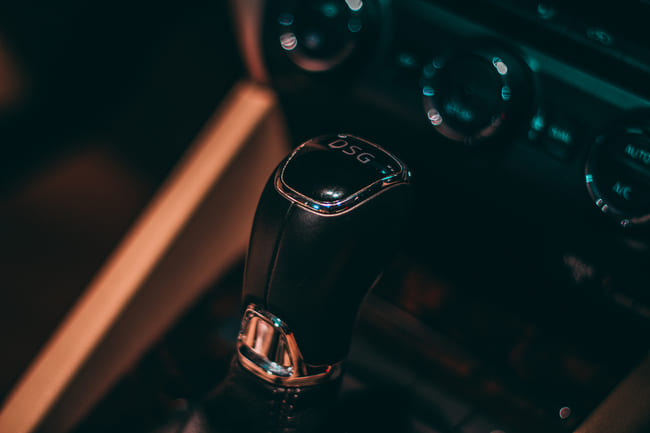
The DSG transmission of the VW Golf 5 develops typical weak points, which manifest themselves in jerky gear changes, clutch slippage and delayed gear changes. These faults occur particularly frequently between 100,000 and 150,000 km, but can also occur earlier during intensive city driving. The automatic transmission does not shift smoothly, which is particularly noticeable when starting off and at low speeds. Other symptoms include warning messages in the display, increased operating temperatures and, in severe cases, complete failure of the transmission. The reliability of the DSG system suffers from frequent stop-and-go driving and irregular maintenance.
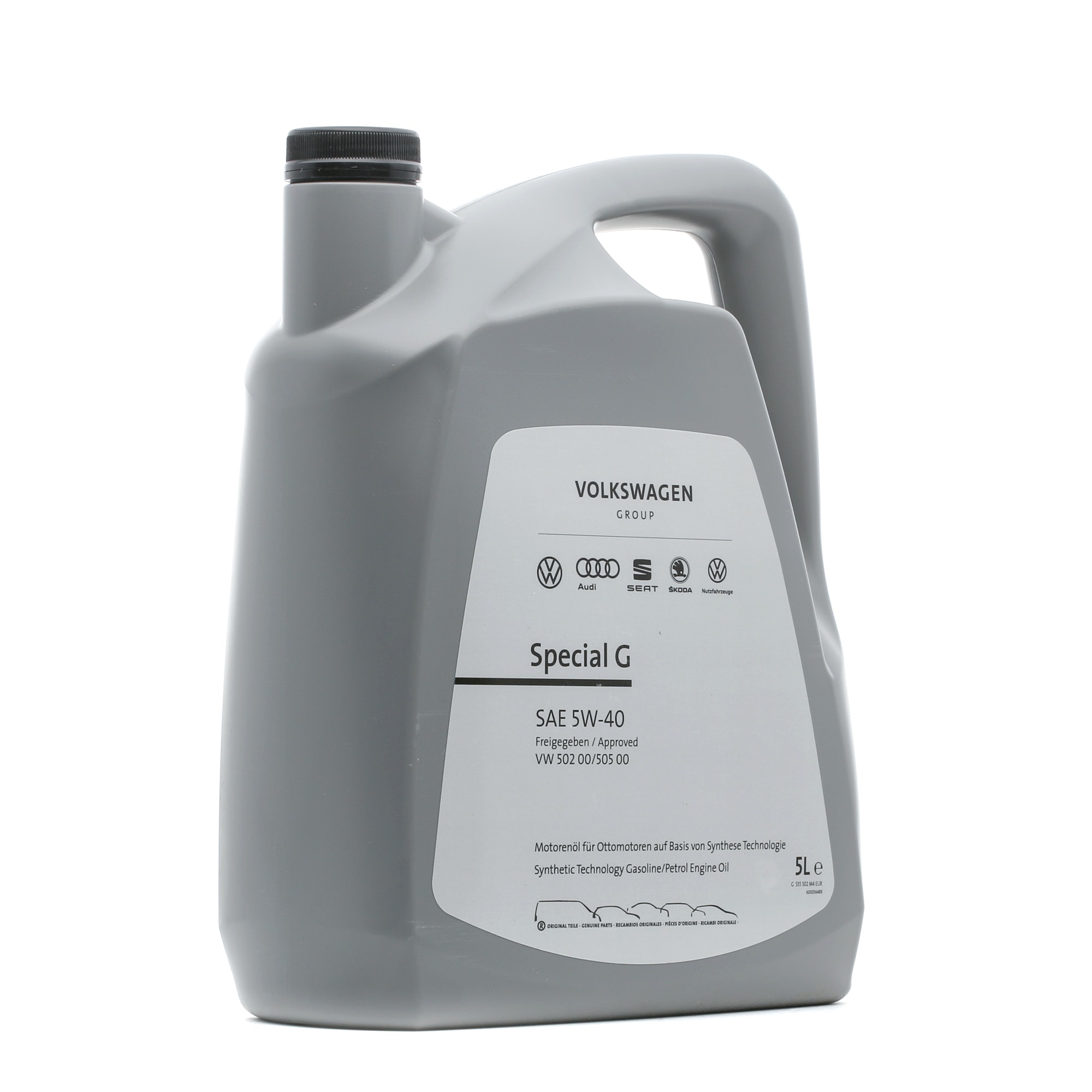
Regular maintenance is essential for the longevity of the dual-clutch transmission. The complex VW Golf 5 DSG transmissions require an oil change with special DSG oil every 40,000 km and regular software updates. Diagnosis is carried out via the control unit, whereby adaptation values and clutch positions are checked. At the first signs of juddering, a basic adjustment should be carried out, while advanced damage often requires the replacement of individual clutches or the entire mechatronic module.
VW Golf 5: Problems with the air conditioning system
The air conditioning system of the Golf 5 frequently shows defects when it no longer cools sufficiently or fails completely. These problems typically manifest themselves after 70,000-100,000 km due to defective compressors, leaking condensers or worn magnetic couplings. The air conditioning system no longer cools properly, resulting in warm air despite the cooling system being switched on and increased fuel consumption. Other symptoms include unusual noises when the air conditioning is switched on, misted-up windows and unpleasant odors from the air vents. The blower does not work in some cases, which indicates defective blower motors or control units.
A systematic check is necessary to identify the causes of air conditioning problems. The sensitive VW Golf 5 air conditioning components require regular maintenance including refrigerant checks and condenser cleaning every 2-3 years. The diagnosis includes pressure measurements in the refrigerant circuit, inspection of the electrical components and visual inspection for leaks. Preventive measures such as regular operation even in winter, changing the cabin filter and professional disinfection can significantly extend the service life of the system and avoid costly repairs.
Volkswagen Golf 5: Problems with the electronics and electrical components
The electronic systems of the VW Golf 5 exhibit various weak points that manifest themselves in different areas. Common complaints concern the interior lighting not working when opening the door, defective window lifters where the window no longer goes up, and problems with the horn not working. These faults often occur as early as 50,000-80,000 km and can be caused by moisture, corrosion or defective control units. Other typical faults include radio failure (radio no longer comes on), problems with the headlamp leveling system not working and faults with the steering angle sensor that cannot be taught. The windshield wipers do not work in some cases, which can be particularly dangerous in bad weather conditions.
Professional maintenance is essential for the functionality of the electrical systems. The complex VW Golf 5 electronic components require regular checks of the ground connections and fuses, especially after exposure to moisture or extreme temperatures. Diagnosis is carried out using a multimeter and oscilloscope to check voltages and signal curves. Preventive measures such as protection against moisture, regular battery maintenance and timely replacement of old fuses can prevent many electronic problems and ensure the reliability of the vehicle.
VW Golf 5: Problems with engine and drive
The different engine variants of the Volkswagen Golf 5 show specific weak points depending on engine capacity and power. The 1.4 75 hp and 1.4 80 hp engines often develop problems with the ignition coils and injectors, while the 1.4 TSI 122 hp and 1.4 TSI 140 hp engines are prone to turbocharger damage. The GTI engine with its various power levels (GTI 200 PS, GT 1.4 TSI 170 PS) shows characteristic problems with the high-pressure pump and the camshaft phasers. The 1.9 TDI and 1.9 TDI 105 PS diesel engines often have problems with the injection system and the particulate filter. Typical symptoms include rough idling, loss of power and the situation that the engine does not start.
Regular maintenance is essential for the longevity of the various engine variants. The powerful VW Golf 5 GTI engines require particularly high-quality oils and regular checks of the turbocharger components every 15,000 km. Diagnosis is carried out via fault memory readout and compression measurements, whereby special attention should be paid to oil pressure and coolant temperature. Preventive measures such as regular oil changes with manufacturer approval, the use of quality fuels and the timely replacement of wearing parts can prevent most engine problems and ensure a long service life.
Additional common faults of the VW Golf 5
Based on the experiences of Volkswagen Golf 5 drivers, the following additional problems occur:
- Heater does not get warm: typically occurs after 80,000-120,000 km, often caused by defective thermostats or clogged heater coolers.
- Hood does not close properly: Can occur as early as 60,000 km, often due to worn closing mechanisms or defective Bowden cables.
- Rear window wiper does not work: Often develops after 70,000-100,000 km due to corrosion or defective motors in the rear area.
- Check oil level does not go away warning: Often appears after 100,000 km due to defective oil level sensors or electronic problems.
- Ventilation does not work at different levels: Typically occurs after 90,000-130,000 km due to worn blower resistors.
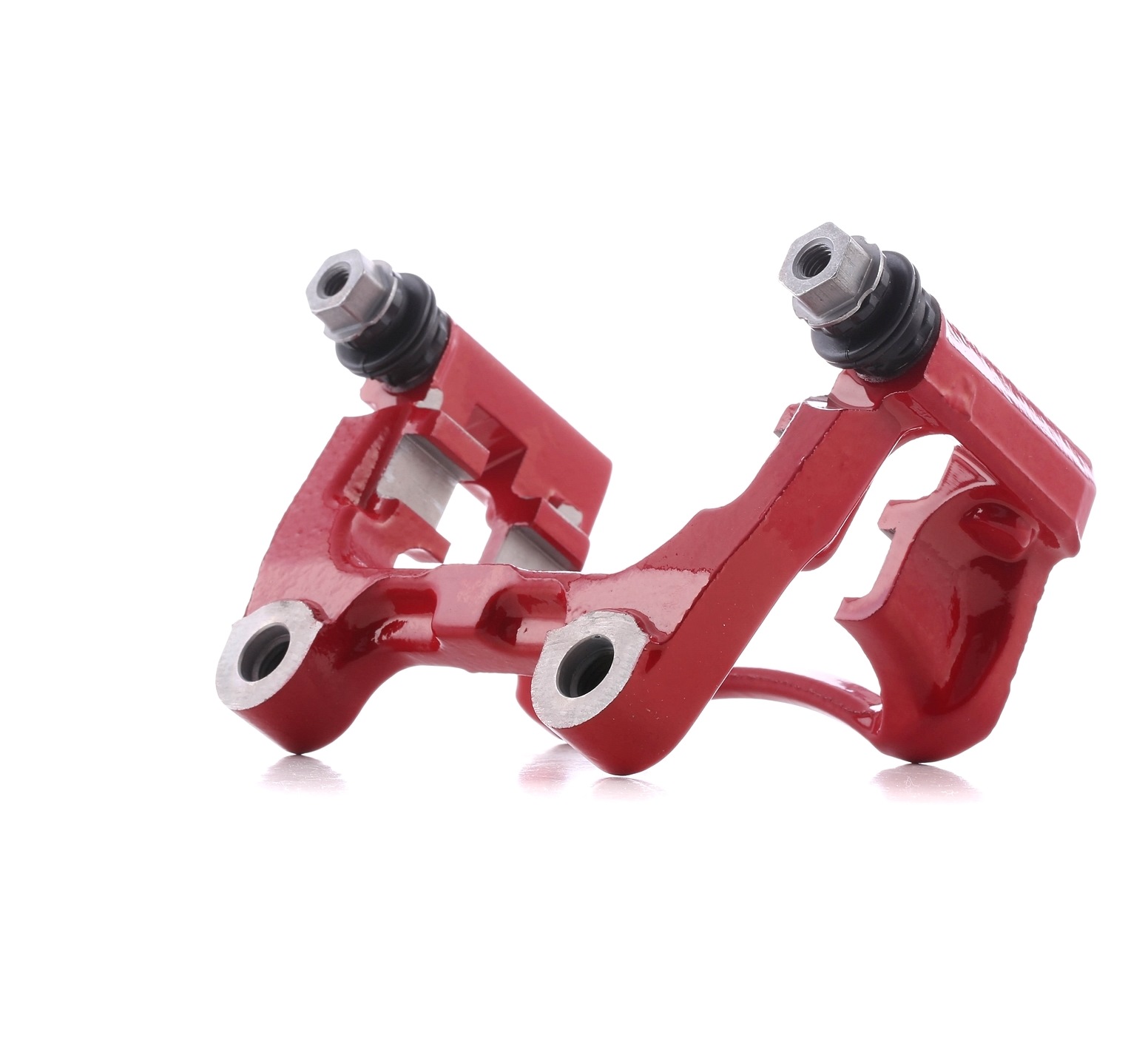
- Jammed brake pistons: Often develops after 80,000-120,000 km especially in low mileage vehicles due to corrosion.
- Driver's door does not open from the inside: Can occur as early as 50,000 km due to defective door handle mechanisms or Bowden cables.
VW Golf 5: Weak points and strengths
| Strengths |
Weak points |
| Solid build quality |
Timing chain problems with the 1.6 FSI |
| Good handling |
DSG gearbox unreliability |
| Diverse engine range |
Electronics problems |
| Practical interior |
Air conditioning failures |
| Good spare parts supply |
Central locking deficiencies |
| Proven technology |
Turbocharger damage with TSI |
| High suitability for everyday use |
Susceptibility to corrosion |
The Volkswagen Golf 5 proves to be a fundamentally solid vehicle with proven technology, but with specific weak points that require regular attention. The most common faults concern the timing chain in FSI engines, the DSG gearbox and various electronic components. Most problems can be avoided or their effects limited by preventive maintenance and timely intervention. It is particularly important to observe the manufacturer-specific maintenance intervals and to use original parts for safety-relevant components.


 5 August 2025 (updated)