Reliability Škoda Citigo: common problems, issues symptoms and faults
Automatic transmission problems: The automatic transmission of the Škoda Citigo can develop problems after just 40,000-60,000 km, particularly jerky gear shifting or complete failure of the automatic function.
Air conditioning does not cool: The air conditioning system often loses its cooling capacity after 30,000-50,000 km due to defective compressors or leaks in the refrigerant circuit, which causes problems especially in summer.
Tailgate won't open: Mechanical and electrical faults in the tailgate often occur after 25,000-40,000 km, making the trunk inaccessible.
Engine won't start: The 1.0 MPI engine shows starting problems as early as 20,000 km, often caused by defective ignition coils or problems in the fuel system.
Škoda Citigo: Problems with the automatic transmission
The Škoda Citigo's automatic transmission frequently develops defects that manifest as jerky shifting, delayed gear changes, or complete failure. These weaknesses typically occur between 40,000 and 60,000 kilometers, but can also occur at mileages as low as 25,000 km. Transmission reliability suffers due to lack of maintenance and aggressive driving. Symptoms include unusual noises when shifting, loss of power, and the illumination of the transmission warning light. In advanced cases, the transmission no longer shifts properly or no longer functions completely.
Regular maintenance is crucial for the service life of the transmission. The sensitive Škoda Citigo automatic transmission components require an oil change with special ATF fluid every 60,000 km, as well as regular diagnostics for early detection of problems. Repairs often involve replacing the transmission control unit, solenoid valves, or, in the worst case, a complete transmission overhaul. Preventative measures such as gentle acceleration and avoiding kickdown maneuvers can significantly extend the service life.
Škoda Citigo: Problems with the air conditioning system does not cool
The Škoda Citigo's air conditioning system typically exhibits weak points in the form of declining cooling performance or complete failure. These common defects usually manifest between 30,000 and 50,000 kilometers, although the first symptoms can appear as early as 20,000 km. The compressor, the most common source of failure, loses its functionality due to wear of internal components or leaks in the refrigerant circuit. Other breakdowns are caused by defective condensers, clogged filters, or problems with the expansion valve. The reliability of the air conditioning system suffers particularly from extreme temperatures and lack of maintenance.
-40%
Reviews - 20
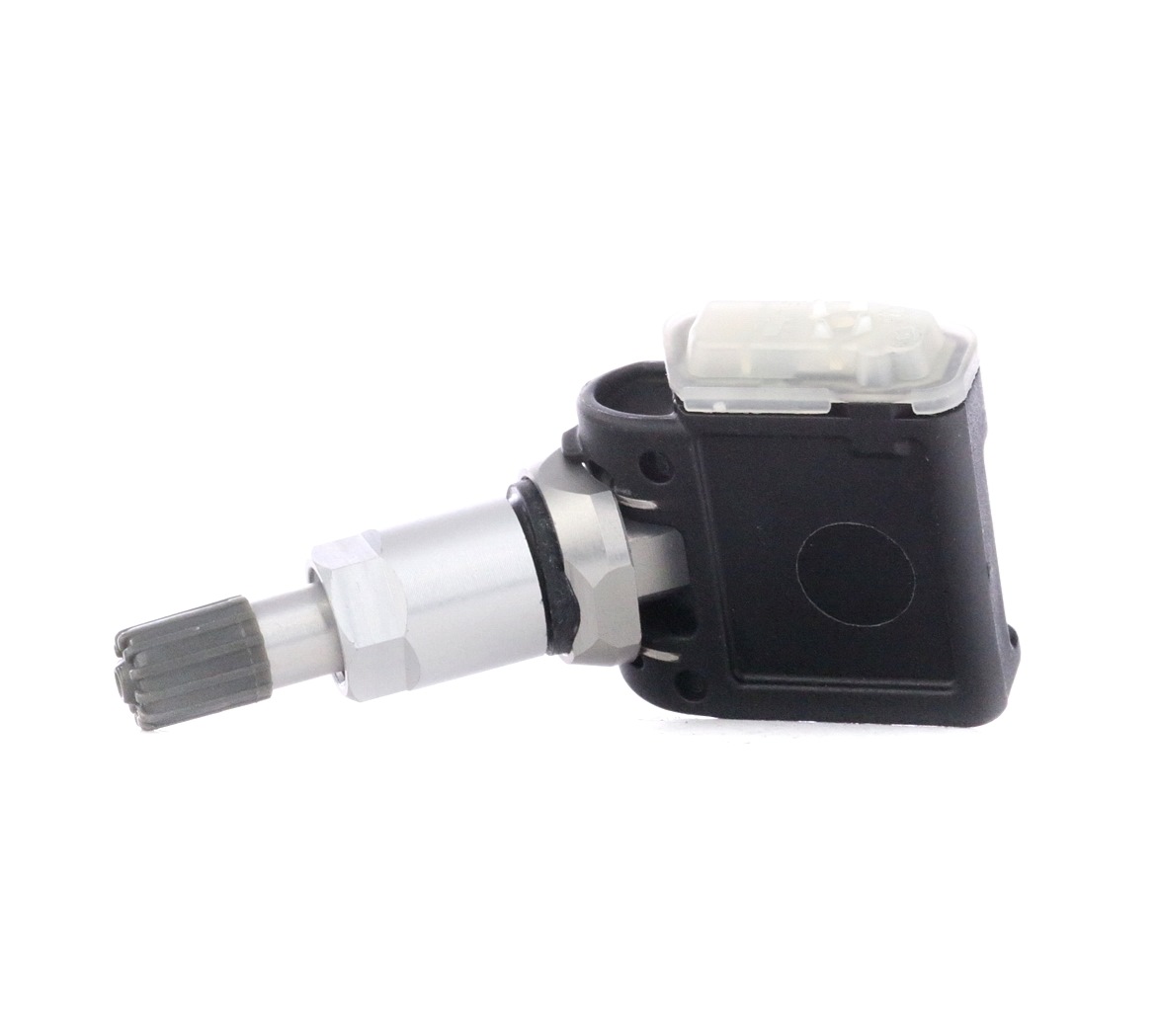
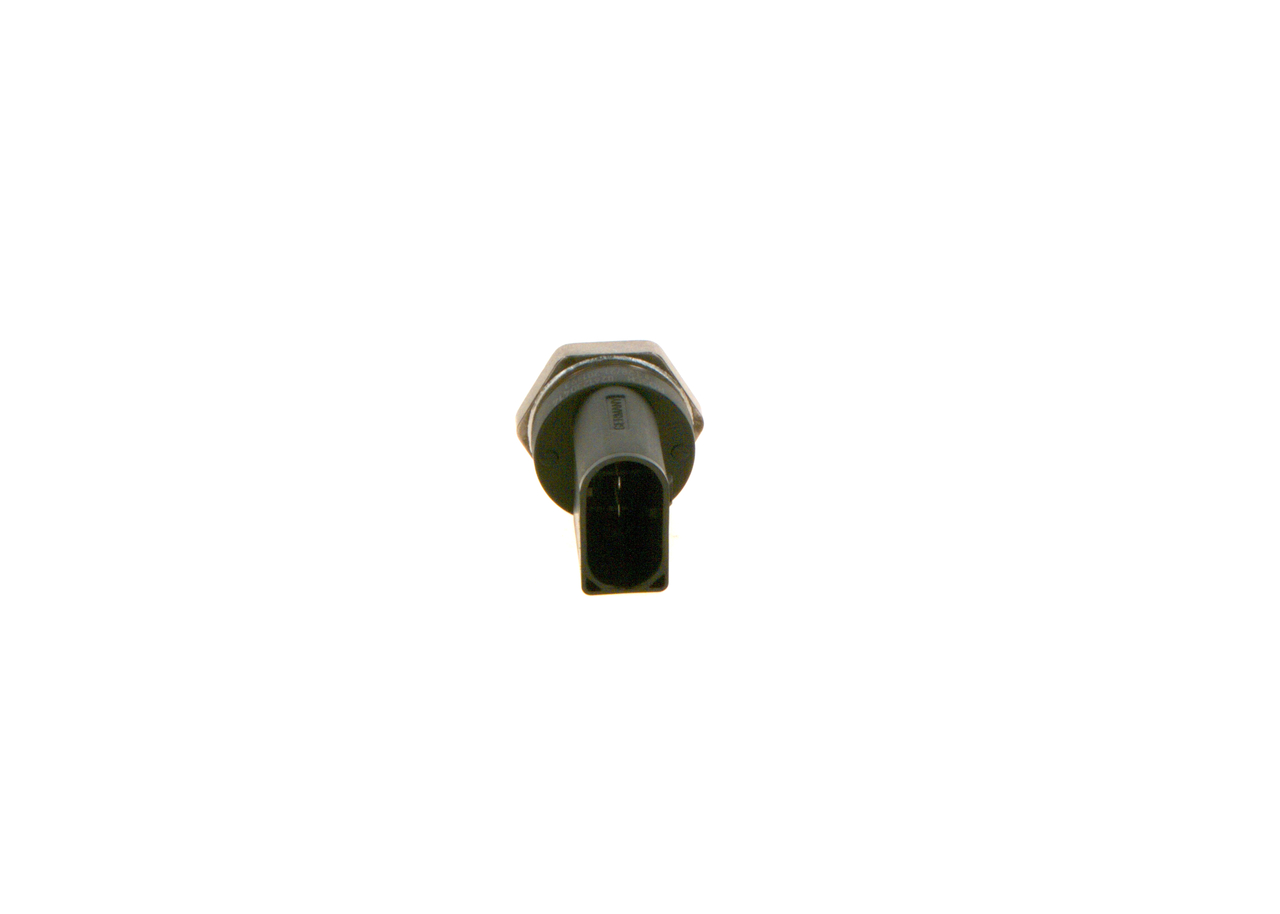
Parts Details
Supplementary Article / Supplementary Info Info 2:
with groove, with valves
Permissible maximum speed [km / h]:
250
Housing Colour:
black
Frequency Range [MHz]:
433
Valve stem material:
Aluminium
Code Letter:
3057
Tightening Torque [Nm]:
8
Mounting Type:
Bolted
Vehicle Equipment:
for vehicles with tyre-pressure monitoring system
Systematic inspection is essential for optimal air conditioning function. The complex Škoda Citigo air conditioning systems require annual inspections of the refrigerant level, cleaning of filters, and checking all seals for leaks. Diagnosis is performed by measuring the pressure in the system and visually inspecting all components. Solutions include refilling with R134a or R1234yf refrigerant, replacing defective compressors, or repairing leaks in the piping system. Regular disinfection prevents odors and bacterial growth.
Škoda Citigo: Problems with the tailgate does not open
The tailgate of the Škoda Citigo develops mechanical and electrical faults that make it impossible to open the trunk. These problems often occur between 25,000 and 40,000 kilometers, with the first signs being observed as early as 15,000 km. The locking system fails due to wear of the Bowden cables, defective locking cylinders, or problems with the electric central locking system. Symptoms include stiff opening, complete blockage, or unintentional opening while driving. The service life of the components is reduced by weather influences, dirt, and mechanical stress.
A professional inspection is required to identify the exact source of the problem. The mechanical components of the Škoda Citigo tailgate require regular lubrication of the hinges and inspection of the Bowden cables for wear or corrosion. Diagnosis includes checking the electrical connections, testing the central locking system for functionality, and mechanically inspecting all moving parts. Repair measures include replacing defective Bowden cables, locking cylinders, or electrical actuators. Preventative maintenance through regular cleaning and lubrication can prevent many problems.
Škoda Citigo: Problems with the 1.0 MPI engine won’t start
The 1.0 MPI engine in the Škoda Citigo exhibits starting problems, manifesting as difficult starting or complete refusal to start. These common defects typically occur after 20,000 kilometers, but can also occur in new vehicles with less than 10,000 km on the clock. The 75 hp variant is particularly susceptible to ignition problems caused by defective ignition coils, dirty injectors, or fuel system issues. Other weak points include the crankshaft sensor, camshaft sensor, or fuel pump. Symptoms range from prolonged starting times to complete refusal to start, especially in cold temperatures.
Professional maintenance is essential for engine reliability. The sensitive Škoda Citigo 1.0 MPI ignition systems require a spark plug and ignition coil check every 30,000 km, as well as regular injector cleaning. Diagnosis is performed by reading the error log, measuring compression, and checking fuel pressures. Solutions include replacing faulty ignition coils, cleaning or replacing the injectors, and checking the fuel supply. Regular use of fuel additives can prevent deposits and extend engine life.
Škoda Citigo: Problems with ventilation not working
The Škoda Citigo's ventilation system is experiencing malfunctions, manifesting as poor airflow, uneven air distribution, or complete failure. These failures often occur between 35,000 and 55,000 kilometers, although the first symptoms can be noticed as early as 20,000 km. The ventilation motor, also known as the blower, loses its performance due to carbon brush wear or defects in the resistor network. Clogged pollen filters further reduce airflow and can lead to odors. The system's reliability is compromised by dust, leaves, and moisture that enter the ventilation system.
Regular maintenance is crucial for optimal ventilation. The Škoda Citigo's ventilation system components require a pollen filter change every 15,000 km and annual cleaning of the air ducts to prevent blockages. Diagnostics include checking the blower motor function at all speeds, checking the electrical connections, and inspecting the resistor network. Repair work includes replacing the blower motor, resistor network, or thoroughly cleaning the entire ventilation system. Preventive measures such as regular filter changes can prevent most problems.
Škoda Citigo: Problems with the low beam does not work
The Škoda Citigo's low beam headlights frequently fail, which can lead to safety issues and legal consequences. These issues typically manifest themselves between 30,000 and 50,000 kilometers, although individual failures can occur as early as 15,000 km. The main causes include defective H4 halogen bulbs, blown fuses, or problems with the light switch. In vehicles with xenon headlights, the ballasts or ignition modules can also fail. The lifespan of the bulbs is reduced by vibrations, temperature fluctuations, and frequent switching on and off. Symptoms range from the failure of one side to the complete failure of both headlights.
A systematic inspection is required to identify the source of the fault. The Škoda Citigo's lighting systems require regular inspections of all bulbs and electrical connections, as well as a check of the headlight alignment every 20,000 km. Diagnosis begins with a visual inspection of the bulbs, checking the corresponding fuses, and measuring the voltage supply at the bulb sockets. Repair measures include replacing defective H4 bulbs, fuses, or, in more complex cases, repairing the light switches or ballasts. High-quality bulbs and careful handling during replacement significantly extend their service life.
Additional common defects of the Škoda Citigo
Based on the experiences of Škoda Citigo owners, the following additional problems occur:
CNG system malfunctions: In CNG variants, problems with the gas pressure regulator can occur after 40,000-60,000 km, leading to a loss of power.
Door lock problems: Mechanical defects in the door locks often occur after 35,000-50,000 km, especially on the driver's side.
Windshield wiper problems: The wiper motor can fail after 45,000-65,000 km, often due to wear of the carbon brushes.
Battery discharge: Premature battery discharge often occurs after 25,000-35,000 km, often due to a defective alternator or leakage currents.
Clutch wears out early: In manual transmission variants, the clutch can wear out after just 60,000-80,000 km.
Fuel pump defects: The electric fuel pump can fail after 70,000-90,000 km, especially if you frequently drive with a low fuel level.
Wheel bearing problems: Premature wear of the wheel bearings often occurs after 50,000-70,000 km, recognizable by humming noises.
Škoda Citigo: Weaknesses and strengths
Strengths
Weak points
Compact dimensions for city traffic
Automatic transmission problems from 40,000 km
Low fuel consumption
Air conditioning loses cooling power
Good value for money
Tailgate no longer opens
Agile handling
The engine doesn'tstart
Low maintenance costs
Ventilation does not work
Clear operation
Low beam does not work
Sufficient space for city vehicle
Frequent electronic breakdowns
The Škoda Citigo proves to be a practical city car with some characteristic weak points, which, however, are easily manageable with regular maintenance and timely intervention. Most problems can be avoided through preventative measures and high-quality spare parts. Regular inspection of the electronic systems and wear parts is particularly important to ensure long-term reliability.


 8 October 2025