Reliability Audi TT: common problems, issues symptoms and faults
Soft top mechanism failures: The soft top no longer functions properly, especially in convertible models after 80,000-120,000 km. Common symptoms are blocked movements or complete stoppage of the soft top, often caused by defective hydraulic pumps or worn seals.
Power window problems: The electric windows often fail between 60,000-100,000 km, with the windows no longer going up or down. This particularly affects the driver's and passenger's side and is usually caused by defective motors or worn guide rails.
Central locking malfunctions: The central locking system no longer switches reliably, especially after 70,000-90,000 km. Typical complaints include the sporadic failure of individual doors or complete system failures, often due to defective actuators or control unit problems.
2.0 TFSI engine problems: The 2.0 TFSI engine shows frequent timing chain failures between 80,000-150,000 km. Symptoms include rattling noises during cold starts and loss of power caused by chain stretching or defective tensioners.
Audi TT: Problems with the soft top mechanism
The soft top of the Audi TT Cabrio shows frequent defects that manifest themselves in various symptoms. The soft top mechanism no longer functions properly, whereby the soft top either no longer reacts at all, only partially opens or closes, or operates with unusual noises. These problems typically occur between 80,000 and 120,000 kilometres, but can also occur earlier with intensive use or inadequate maintenance. The breakdowns are usually caused by defective hydraulic pumps, worn seals or blocked guide rails. In older models with 150,000 kilometres or more, electrical problems can also occur with the sensors that monitor the position of the soft top.
Regular maintenance is essential for the longevity of the soft top system. The complex Audi TT soft top mechanisms require special attention to the hydraulic fluid and regular lubrication of the moving parts every 20,000 kilometres. Diagnosis is carried out via the control unit, with error codes such as "soft top end position not reached" or "hydraulic pressure too low" being typical. A professional inspection can prevent major damage and ensure the reliability of the system.
Reviews - 71
Parts Details
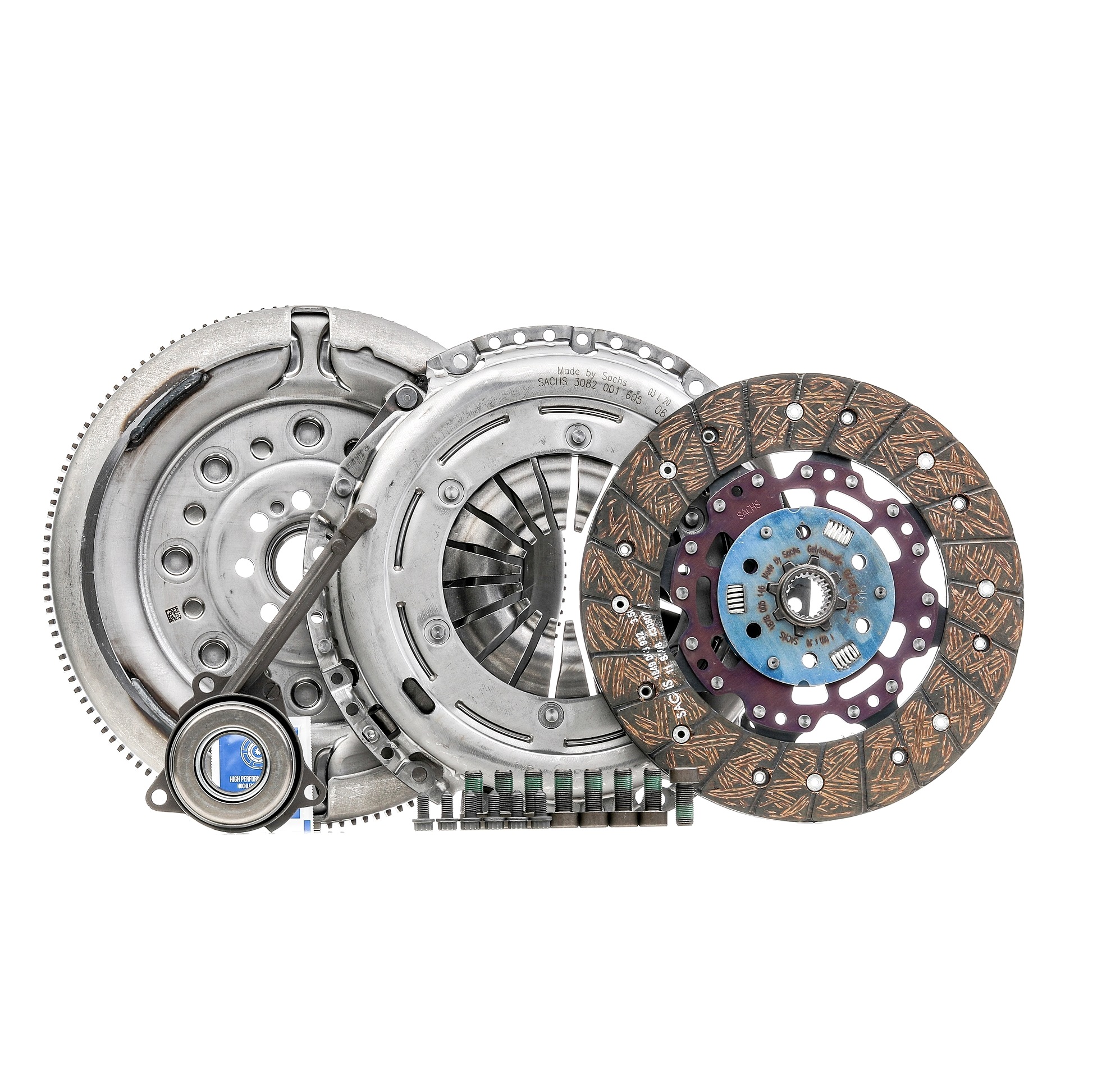
Supplementary Article / Supplementary Info: with central slave cylinder, without pilot bearing
Supplementary Article / Supplementary Info Info 2: with flywheel, with screw set, Requires special tools for mounting, Dual-mass flywheel with friction control plate
Product line:
RepSet DMF
Adjustment:
with automatic adjustment
Number of teeth (finding the max. clearance angle):
7
The electric windows of the Audi TT show characteristic weak points, which are manifested by blocking or slow-moving windows. The window regulator no longer functions properly, with typical symptoms including complete failure, jerky movements or noises during operation. These problems often manifest themselves between 60,000 and 100,000 kilometres, with the driver's side usually affected first due to more frequent use. For models with over 120,000 kilometres, the passenger side and rear windows may also be affected, especially if the vehicle has been used frequently in extreme temperatures.
A systematic check is necessary to identify defective components. The sensitive Audi TT window regulator motors require regular checks of the guide rails and lubrication every 30,000 kilometres. The diagnosis includes checking the electrical connections, the motor and the mechanical components. Common causes of faults are worn guide rails, defective motors or broken Bowden cables. Professional maintenance can have a preventive effect and prevent expensive consequential damage.
Audi TT: Problems with the central locking system
The central locking system of the Audi TT has typical weak points, which manifest themselves in unreliable closing and opening of the doors. The system no longer switches correctly, with individual doors not responding or the entire system not starting. These faults occur more frequently between 70,000 and 90,000 kilometres, but can also occur earlier with frequent use or after moisture in the system. Typical complaints include sporadic failure of the remote control, noises from the doors without a locking effect or complete failure of individual door locks. In vehicles with over 120,000 kilometres, additional problems can occur with the control unit.
A professional inspection is essential for the correct diagnosis of the central locking system. The complex Audi TT central locking systems require regular inspection of the actuators and electrical connections every 40,000 kilometres. Fault diagnosis is carried out via the on-board diagnostics system, with fault codes such as "driver's side servomotor defective" or "communication error control unit" occurring frequently. Preventive treatment with contact spray and regular functional checks can significantly extend the service life.
Audi TT: Problems with the 2.0 TFSI engine
The 2.0 TFSI engine in the Audi TT exhibits specific common faults, which are mainly centred on the timing chain and the high-pressure system. The timing chain develops characteristic problems between 80,000 and 150,000 kilometres, with rattling noises at cold start, loss of power and rough idling among the typical symptoms. These weak points are caused by chain stretching, defective tensioners or worn guide rails. In vehicles with a higher mileage of over 200,000 kilometres, problems can also occur with the camshaft phasers, which manifest themselves as errors in the engine control unit and reduced performance.
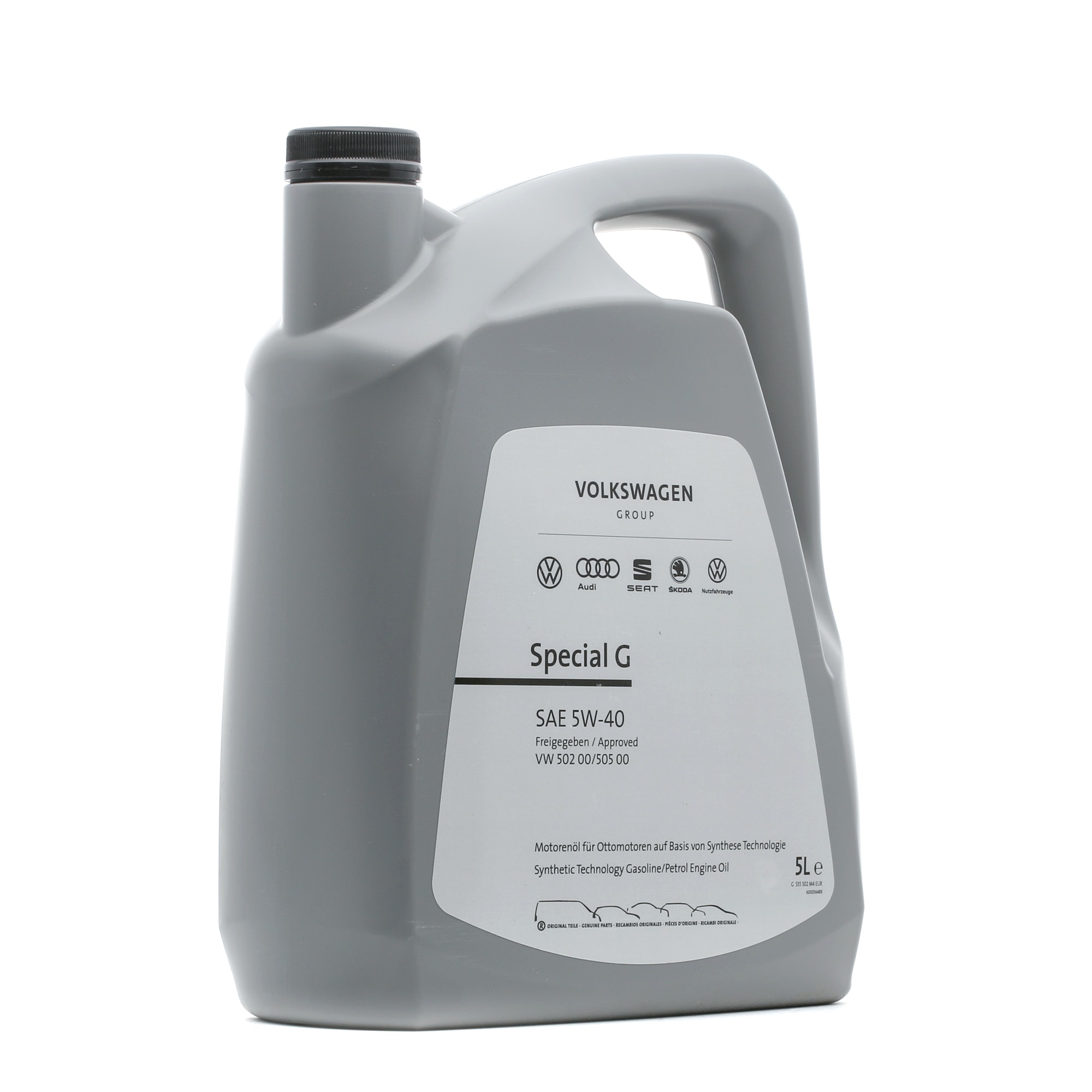
Professional maintenance is crucial for the longevity of the 2.0 TFSI engine. The precise Audi TT 2.0 TFSI timing chain components require regular oil changes with a special 5W-30 specification every 15,000 kilometres and chain tension checks. Diagnosis is carried out via endoscope examination and measurement of the timing chain elongation, with values over 0.5 degrees deviation necessitating replacement. Timely intervention prevents consequential damage to the cylinder head and ensures optimum engine performance over the entire service life.
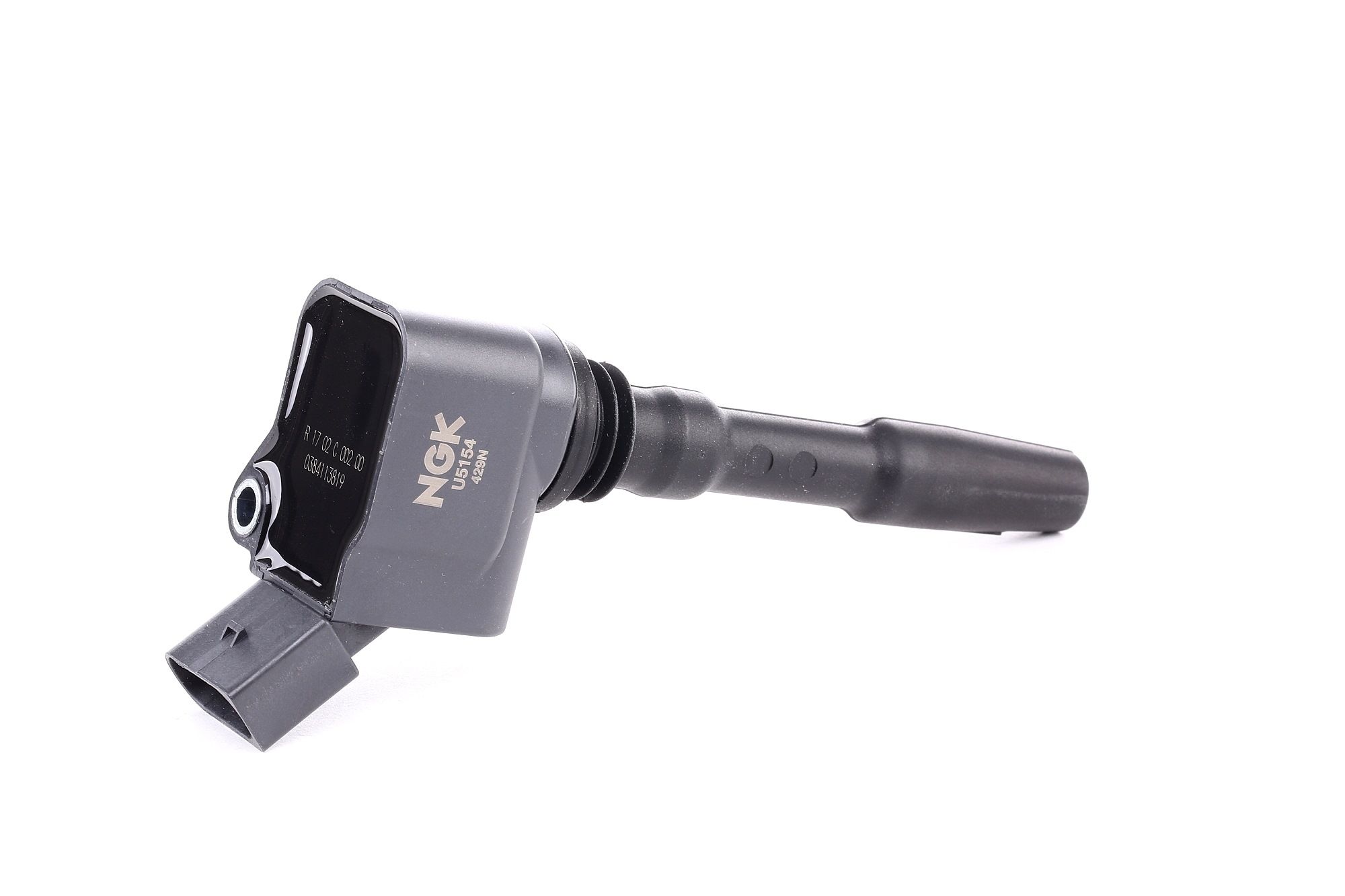
The 3.2 V6 engine of the Audi TT has characteristic weak points that manifest themselves particularly at higher mileages. Typical problems include leaks in the valve cover gaskets from 100,000 kilometres, problems with the variable camshaft adjustment between 120,000-180,000 kilometres and ignition coil failures. These faults manifest themselves in the form of oil loss, unsteady idling, misfiring and reduced performance. The engine does not always start reliably, especially in cold temperatures, which is often due to defective sensors or problems in the fuel system. In vehicles with more than 200,000 kilometres, problems with the oil pump and piston rings can also occur.
A systematic check is necessary for the optimum functioning of the V6 engine. The sophisticated Audi TT 3.2 V6 systems require regular checks of the camshaft adjustment and special 5W-40 engine oil changes every 10,000 kilometres. Diagnostics include checking compression values, leakage tests and electronic system checks. Frequent repairs include replacing valve cover gaskets, ignition coils and camshaft sensors. Preventive maintenance can significantly improve reliability and prevent expensive engine damage.
Supplementary Article / Supplementary Info: with central slave cylinder, with clutch pressure plate, with dual-mass flywheel, with flywheel screws, with pressure plate screws
Supplementary Article / Supplementary Info Info 2: with clutch disc
The 1.8 TFSI engine exhibits specific problems that mainly affect the turbocharger system and the fuel injection system. Common complaints include turbocharger failures between 100,000-140,000 kilometres, defective high-pressure pumps and problems with the injection valves. These weaknesses manifest themselves through loss of power, black smoke from the exhaust, increased oil consumption and whistling noises from the turbocharger. The engine does not switch properly to power mode or exhibits jerking under load. Older models with more than 150,000 kilometres may also have problems with the timing chain and the camshaft phasers, which are manifested by rattling noises and error codes in the control unit.
Regular maintenance is essential for the longevity of the turbo system. The sensitive Audi TT 1.8 TFSI turbochargers require high-quality engine oils with a low SAPS content and change intervals of no more than 15,000 kilometres. Diagnosis is carried out via boost pressure measurements, endoscope examinations of the turbocharger and inspection of the injection nozzles. Typical measured values for a healthy turbocharger are 1.2-1.8 bar boost pressure. Professional maintenance with regular turbocharger inspections can significantly extend the service life and avoid costly repairs.
Additional common faults in the Audi TT
Based on the experiences of Audi TT owners, the following additional problems occur:
DSG gearbox judder: Often occurs between 60,000-80,000 km, caused by worn clutches or defective mechatronic unit.
Xenon headlight failures: Problems with the xenon burners or ballasts between 70,000-100,000 km, often caused by voltage fluctuations.
Fuel pump defects: Particularly in high mileage models from 120,000 km, leads to starting problems and loss of power.
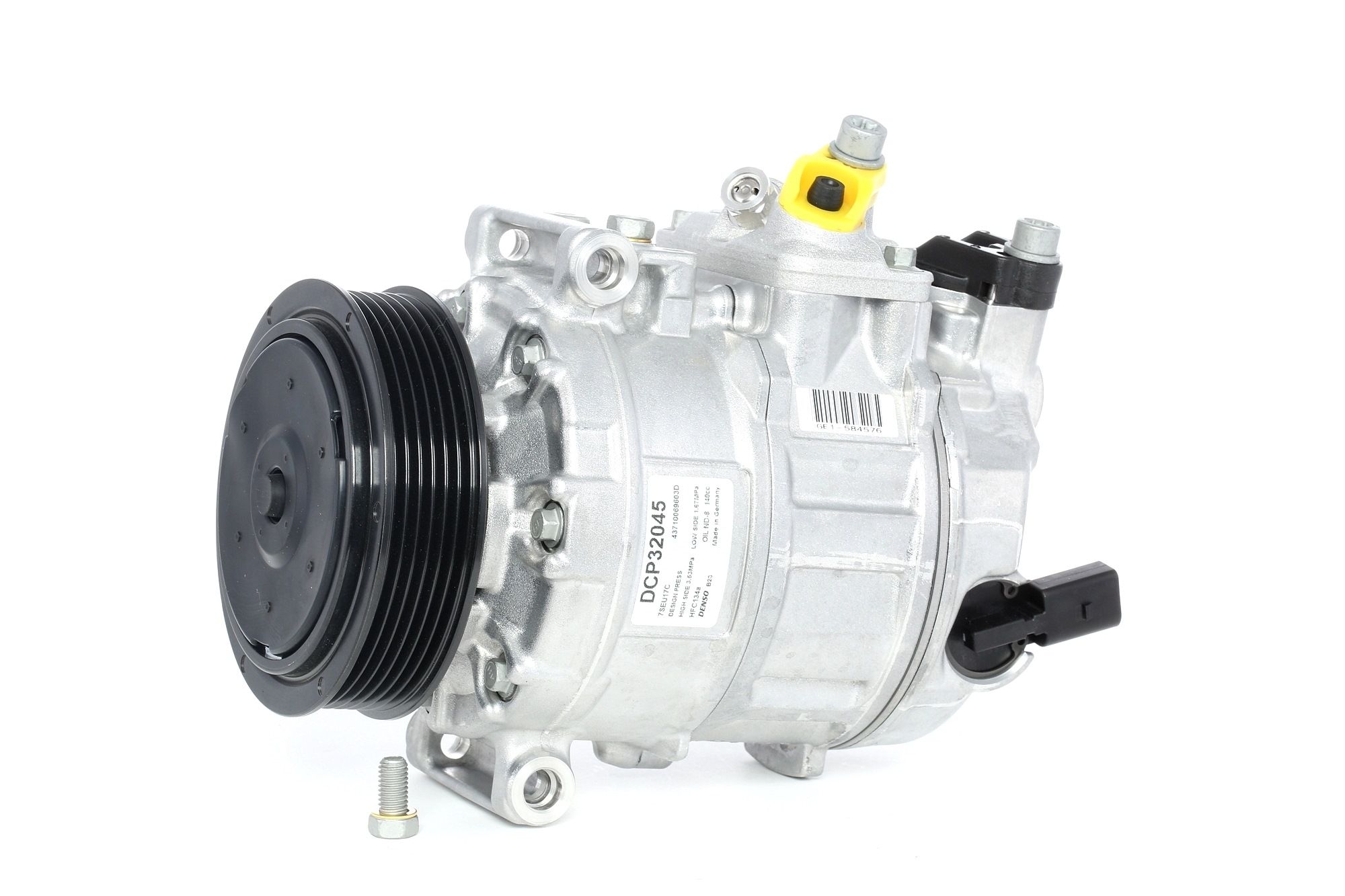
Air conditioning compressor failures: Typically occur after 80,000-120,000 km, recognisable by warm air despite the air conditioning being switched on.
ABS sensor problems: Common from 90,000 km, cause warning lights and driving assistance system malfunctions.
Engine bearing wear: Particularly with a sporty driving style from 100,000 km, leads to vibrations and noises.
Water pump leaks: Often occur between 100,000-150,000 km, recognisable by loss of coolant and overheating.
Based on feedback from Audi TT owners, these additional problems occur regularly and require appropriate attention during maintenance.
Audi TT: weaknesses and strengths
Strengths
Weak points
Sporty design and handling
Susceptible soft top mechanism
High-quality workmanship in the interior
Frequent power window problems
High engine output (2.0 TFSI, 3.2 V6)
Central locking unreliable
Good road holding and driving dynamics
DSG gearbox requires a lot of maintenance
Timeless design concept
Electronics problems with higher mileage
Solid basic construction
Turbocharger wear with 1.8 TFSI
Good resale value
High repair costs for special parts
The Audi TT proves to be a sporty compact car with a characteristic design, but with specific weak points. Most of the problems are centred on electronic components and mechanical wear parts, which are easily manageable with regular maintenance and timely intervention. The engines in particular show good reliability and durability with appropriate care, while comfort functions such as the soft top and power windows require increased attention.


 12 December 2025 (updated)