Problems with the Opel Crossland X

Reliability Opel Crossland X: common problems, issues symptoms and faults
- Start-Stop system not working: The Start-Stop system begins to show malfunctions after 15,000-25,000 km, especially in 2017 and 2018 models. The most common symptoms are the system deactivating for no apparent reason and error messages appearing on the display.
- Timing belt problems with the 1.2 Turbo engine: The timing belt of the 1.2 Turbo engine shows initial signs of wear after just 60,000-80,000 km, despite the manufacturer's specification of 120,000 km. The 2018 and 2019 models are particularly affected by premature timing belt wear.
- Fan not working - Air conditioning problems: The air conditioning fan often fails between 40,000 and 60,000 km, leading to complete failure of the air conditioning system. Complaints are concentrated primarily in the early production years of 2017 and 2018.
- Automatic transmission doesn't shift properly: The automatic transmission begins to exhibit shifting problems as early as 30,000-50,000 km, with a second wave of problems occurring around 80,000-100,000 km. Diesel versions with automatic transmission are particularly affected.
Opel Crossland X: Start-Stop system does not work
The Start-Stop system in the Opel Crossland X begins to exhibit malfunctions even at low mileage, manifesting as spontaneous deactivation and persistent error messages in the onboard computer. The most common symptoms occur between 15,000 and 25,000 kilometers, with models from 2017 and 2018 being particularly affected. The system no longer engages automatically when the driver releases the brake pedal, or it deactivates completely for no apparent reason. These malfunctions lead to increased fuel consumption and significantly reduce the vehicle's efficiency. The system's reliability is particularly problematic during frequent city driving, where the Start-Stop system is used most frequently. Many drivers report recurring errors that cannot be permanently resolved even after visits to the workshop.
A systematic check is essential for diagnosing these complex electronic problems. The sensitive Opel Crossland X Start-Stop systems require regular checks of the battery, sensors, and control unit software. The lifespan of the system can be extended through regular software updates and battery maintenance. Often, the problem is due to a weak battery or faulty sensors that monitor engine temperature or charge level. Professional diagnostics using specialized diagnostic equipment can identify the exact cause and suggest appropriate solutions.
Opel Crossland X: Timing belt problems with the 1.2 Turbo engine
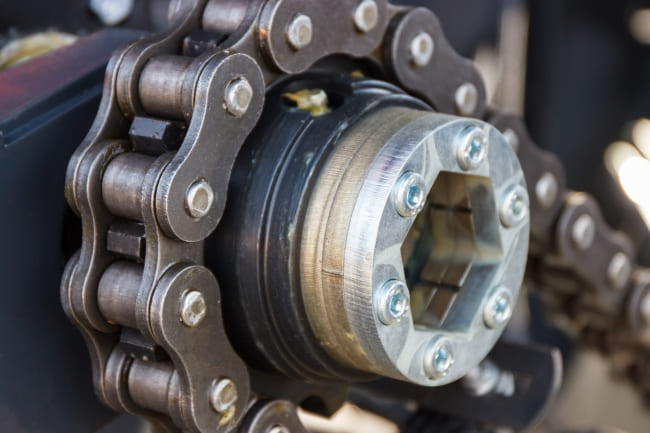
The 1.2 Turbo engine in the Opel Crossland X has significant weak points in the timing belt, which appear well before the manufacturer's specified service intervals. While Opel recommends replacing the timing belt after 120,000 kilometers or 10 years, the first signs of wear appear after 60,000–80,000 kilometers, especially in models from 2018 and 2019. The most common symptoms are unusual noises from the engine compartment, especially during cold starts, as well as visible cracks or fraying in the timing belt. A broken timing belt can lead to serious engine damage due to the interference engine, which can cause pistons and valves to collide. The repair costs for engine damage caused by a broken timing belt can reach half the vehicle's value. Many owners report premature wear that is not covered by the warranty, as it is classified as normal wear and tear.
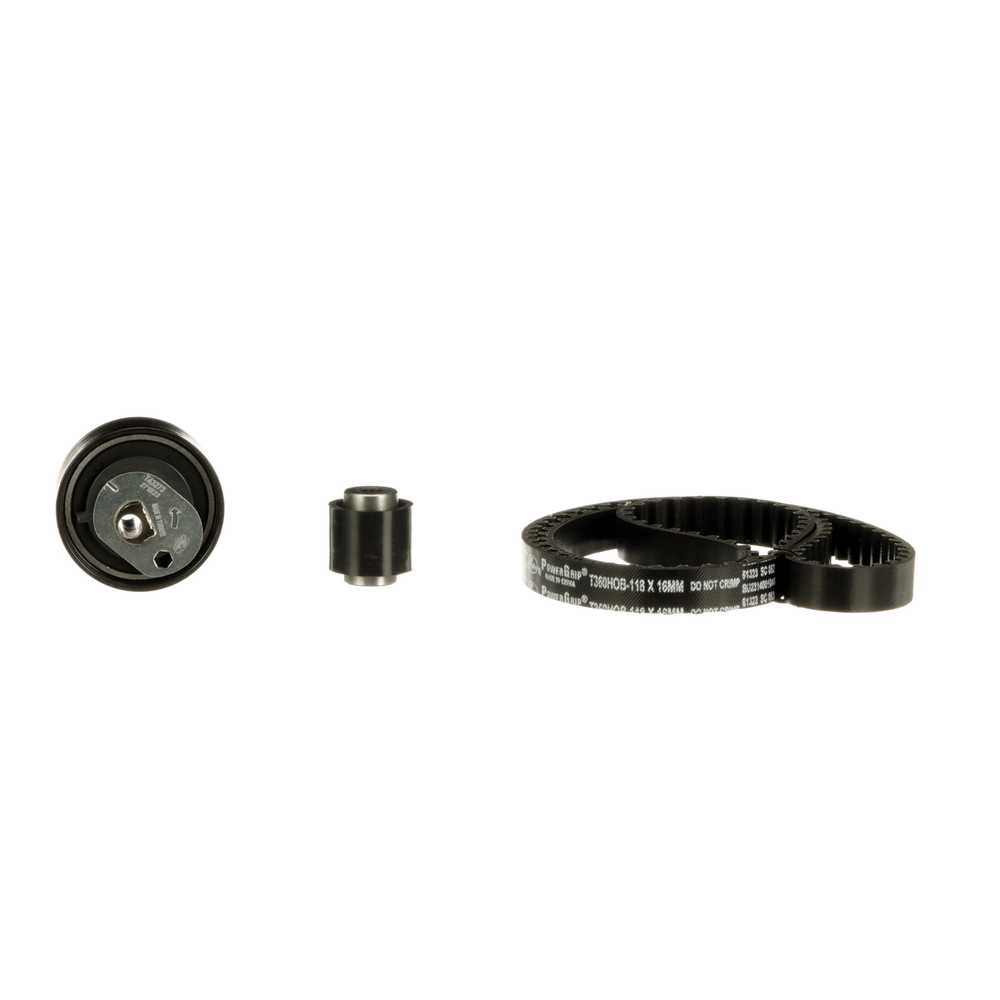
Regular maintenance is crucial for preventing costly engine damage. The precise timing belts in the Opel Crossland X 1.2 Turbo engine require a visual inspection every 20,000 kilometers and should be replaced as early as every 80,000 kilometers as a preventative measure. At the same time, the tensioner pulleys, idler pulleys, and water pump should be replaced to maximize the service life of the new timing belt. Preventative maintenance not only prevents expensive consequential damage but also ensures the reliability of the engine throughout its service life.
Opel Crossland X: Fan not working - Air conditioning problems
The air conditioning blower in the Opel Crossland X frequently fails between 40,000 and 60,000 kilometers, with the first production years of 2017 and 2018 being particularly affected. Symptoms range from weakening blower performance and uneven air distribution to the complete failure of the blower motor. Particularly problematic is that the blower often only operates at the highest speed or fails completely. This not only leads to a loss of comfort but also poses safety problems, as the window demisting no longer functions properly. Many drivers report recurring breakdowns even after repairs, which indicates fundamental design weaknesses. The most common complaints concern the blower motor itself, but the control unit and wiring can also be affected.
A professional inspection is required to determine the exact cause of the blower fan failure. The Opel Crossland X air conditioning components require regular maintenance, including filter changes every 15,000 kilometers and annual functional testing. The problem often lies with the blower resistor or blower motor, which are considered wear parts and must be replaced regularly. Preventative maintenance, including regular cleaning of the air conditioning system and checking the electrical connections, can significantly extend the life of the system and avoid expensive repairs.
Opel Crossland X: Automatic transmission does not shift properly
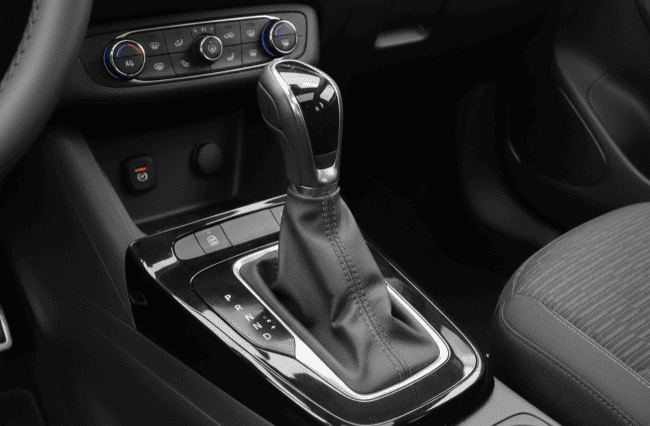
The automatic transmission in the Opel Crossland X, especially in combination with diesel engines, exhibits significant gearshift weaknesses, which manifest themselves in two characteristic waves of problems. The first wave occurs between 30,000 and 50,000 kilometers and is characterized by jerky gearshifts, delayed gear changes, and occasional sticking in a gear. The second wave of problems appears between 80,000 and 100,000 kilometers with more serious symptoms such as complete gearshift failures and limp mode activations. The combination of a diesel engine and an automatic transmission is particularly problematic, as the transmission does not optimally match the diesel's high torque. Many drivers report situations in which the vehicle no longer starts or the transmission completely shifts into limp mode. The reliability of the automatic transmission is limited, especially on frequent short journeys, as the transmission fluid does not reach the optimal operating temperature.
Professional maintenance is essential for the longevity of the automatic transmission. The complex Opel Crossland X automatic transmissions require regular oil changes every 60,000 kilometers and an annual functional diagnosis using special diagnostic equipment. The transmission oil should only be changed with products specified by the manufacturer, as incorrect oil types can cause serious damage. Timely maintenance and avoiding frequent short trips can significantly extend the service life of the transmission and prevent costly repairs.
Opel Crossland X: Engine won't start - Starting problems
The engine of the Opel Crossland X, especially the diesel variants, exhibits recurring starting problems, which mainly manifest themselves in two phases: an early phase at 20,000–35,000 kilometers (12.400–22.400 miles) and a later phase at 70,000–90,000 kilometers (43,000–55,000 miles). The most common symptoms are longer starting times, especially in cold temperatures, complete refusal to start, and erratic engine operation after starting. In diesel models, the glow plugs or glow plug control unit are often affected, while in gasoline models, the spark plugs or fuel pump are frequently the cause of problems. Many drivers report morning starting problems that improve over the course of the day, suggesting temperature-related faults. These breakdowns are particularly common in the winter months when the battery is subjected to additional strain and the engine temperature is low.
A systematic check is crucial for identifying starting problems. The Opel Crossland X starting systems require regular checks of the battery, starter components, and, in diesel models, the glow plugs every 30,000 kilometers. The battery capacity should be tested regularly, as a weak battery is the most common cause of starting problems. Preventative maintenance, including regular replacement of spark plugs (in gasoline models) or glow plugs (in diesel models), as well as checking the fuel system, can prevent most starting problems.
Additional common defects of the Opel Crossland X
Based on the experiences of Opel Crossland X drivers, the following additional problems occur:
- Electronic parking brake is stuck: This often occurs between 25,000 and 40,000 km, especially in vehicles that are driven a lot in city traffic.
- Rear view camera shows black image: Problems with the rear view camera often occur after 35,000-55,000 km, usually caused by moisture or a broken cable.
- Door handles break off: The rear door handles in particular show material fatigue as early as 30,000-45,000 km, more frequently in the early 2017 models.
- Navigation system freezes: Software problems with the infotainment system occur sporadically, usually between 20,000 and 60,000 km without any recognizable pattern.
- Fogging headlights: Moisture in LED headlights occurs as early as 15,000-30,000 km, especially after visits to car washes.
- Fuel pump defective: Problems with the fuel pump usually occur between 80,000-120,000 km, more frequently in diesel models.
- Lane keeping assistant does not work: The lane keeping assistant often fails between 40,000-70,000 km, usually due to dirty or defective cameras.

Opel Crossland X: Weaknesses and strengths
| Strengths |
Weak points |
| Spacious interior |
Start-Stop system problems |
| Good overview |
Timing belt premature wear |
| Modern connectivity |
Air conditioning failures |
| Low consumption |
Automatic shifting problems |
| Practical space |
Electronic malfunctions |
| Low maintenance costs |
Starting problems in cold weather |
| Solid workmanship |
Interior material quality |
The Opel Crossland X proves to be a practical family car with good interior space, but it does have some characteristic weak points that require regular attention. Most problems can be avoided through preventative maintenance and timely intervention. Regular checks of the timing belt on the 1.2 Turbo engine and maintenance of the electronic systems are particularly important to ensure reliability throughout its service life.


 10 October 2025