Table of Contents
 21 May 2025 (updated)
 Sticking brake caliper: What happened, and how do I avoid it?
Have you noticed your car pulling to one side when braking, or taking longer than usual to come to a stop? Does it feel like you have to press the brake pedal down with much more force than before? Do you smell something burning after braking? The engine revs up slowly, and coasting has deteriorated? Perhaps it’s time to fix your brake caliper.
Brake caliper design
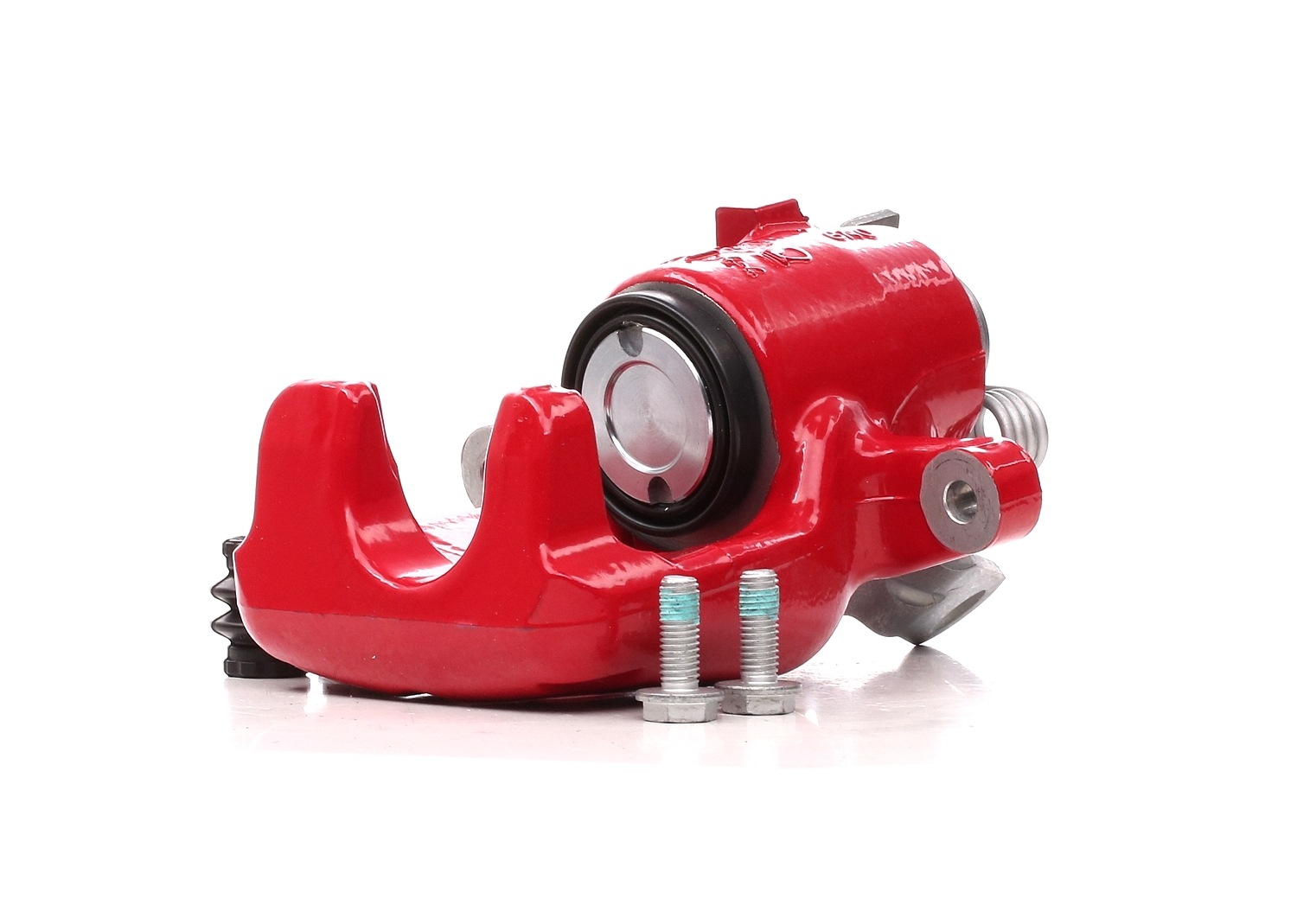
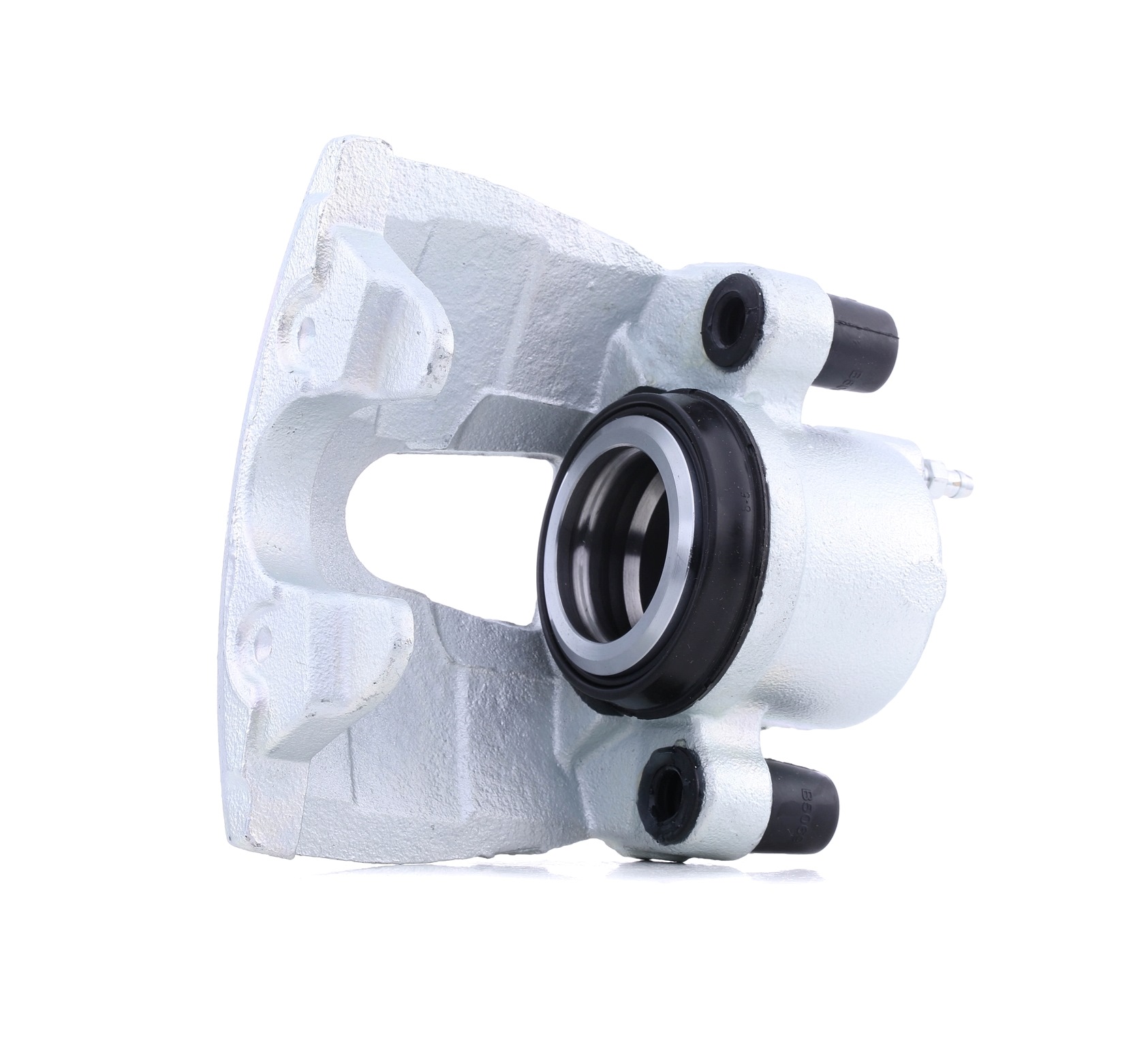
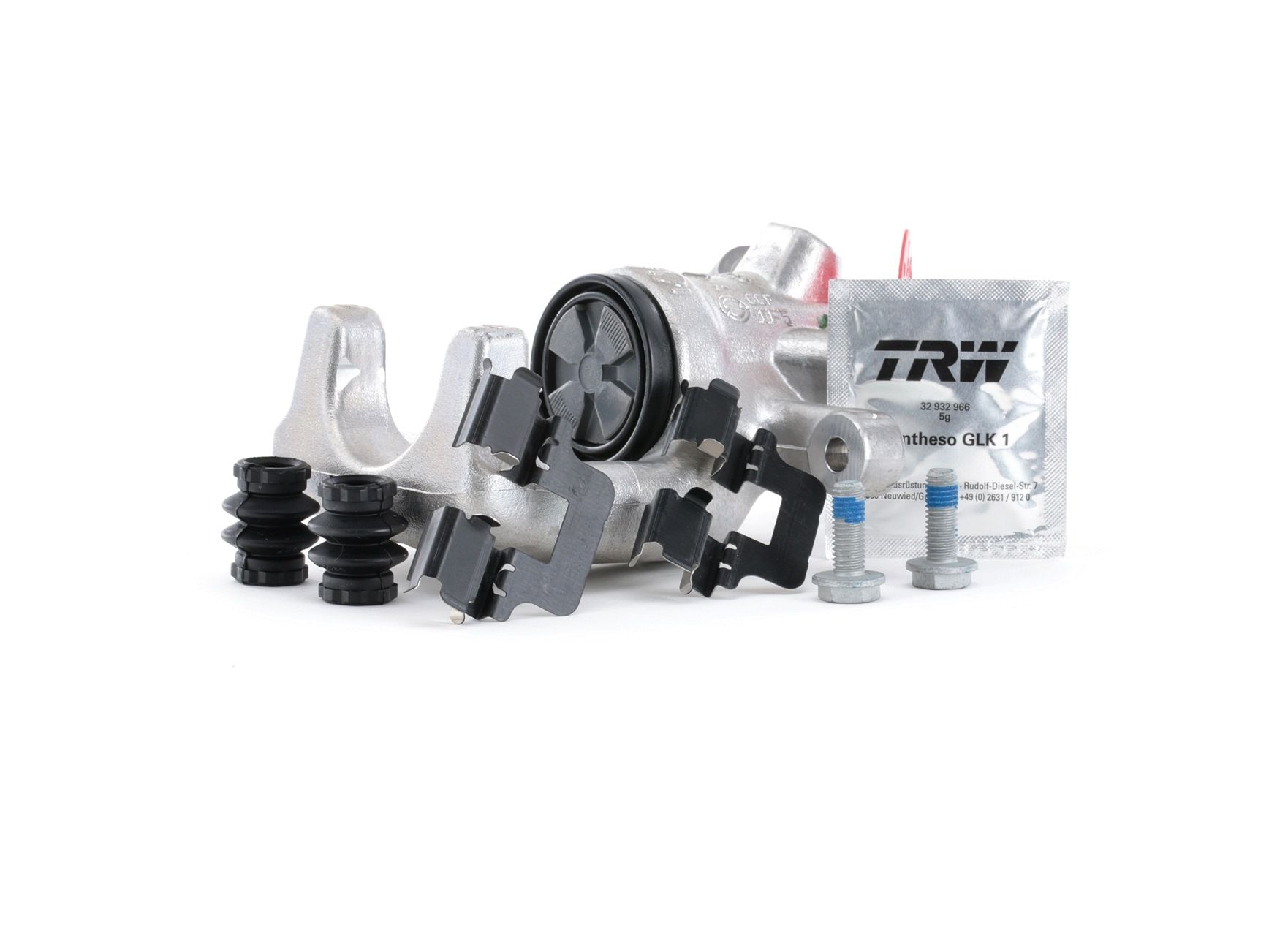
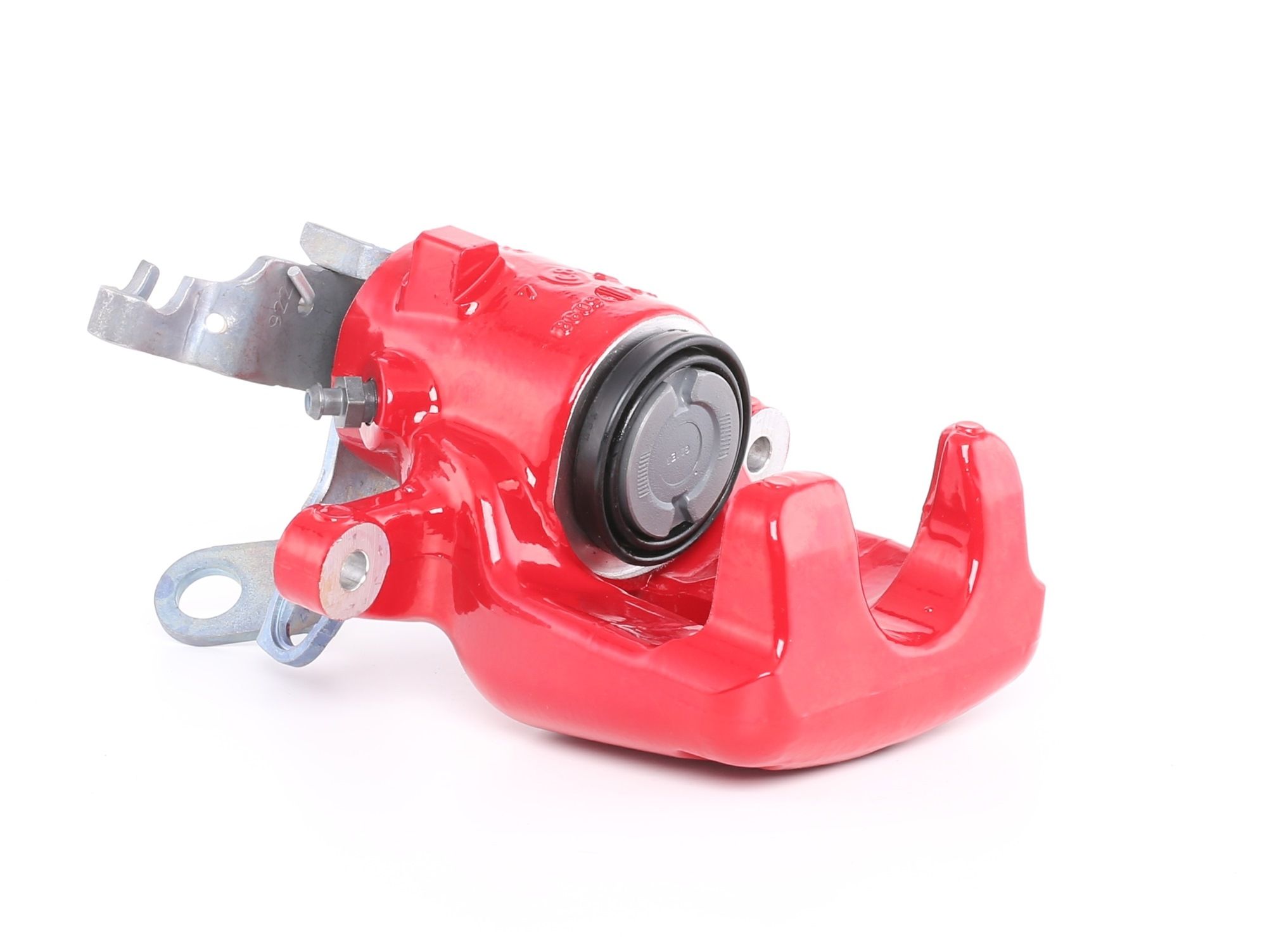
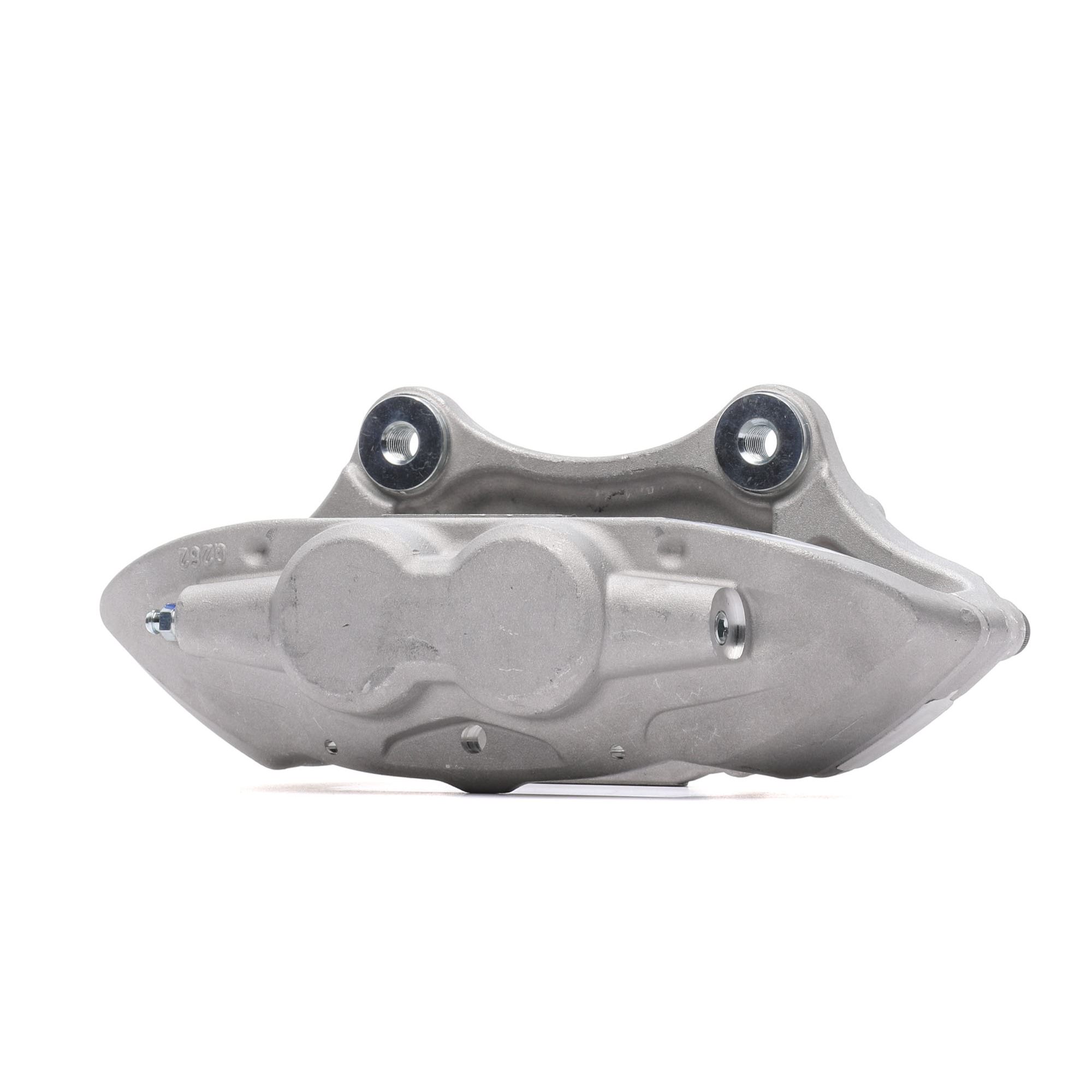
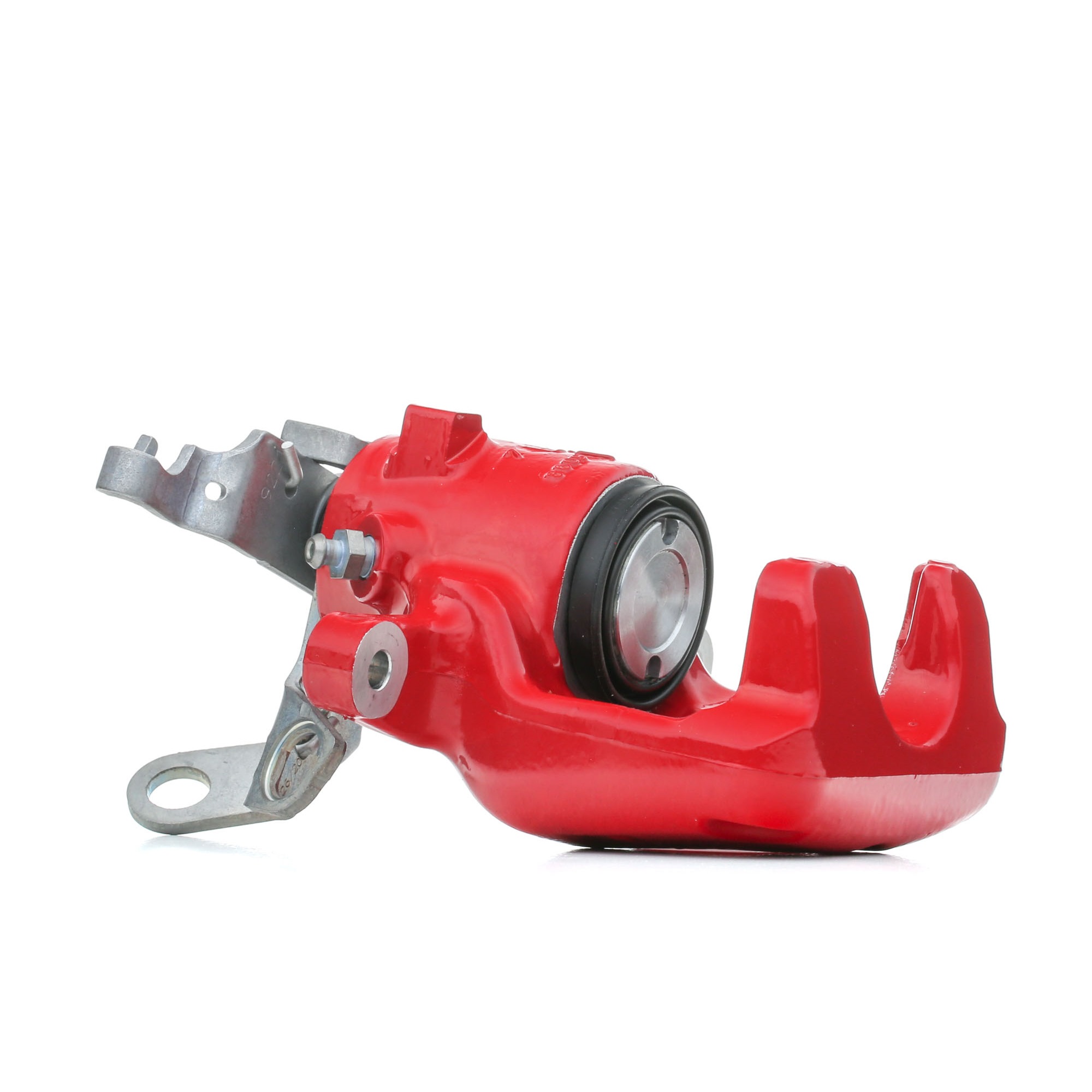
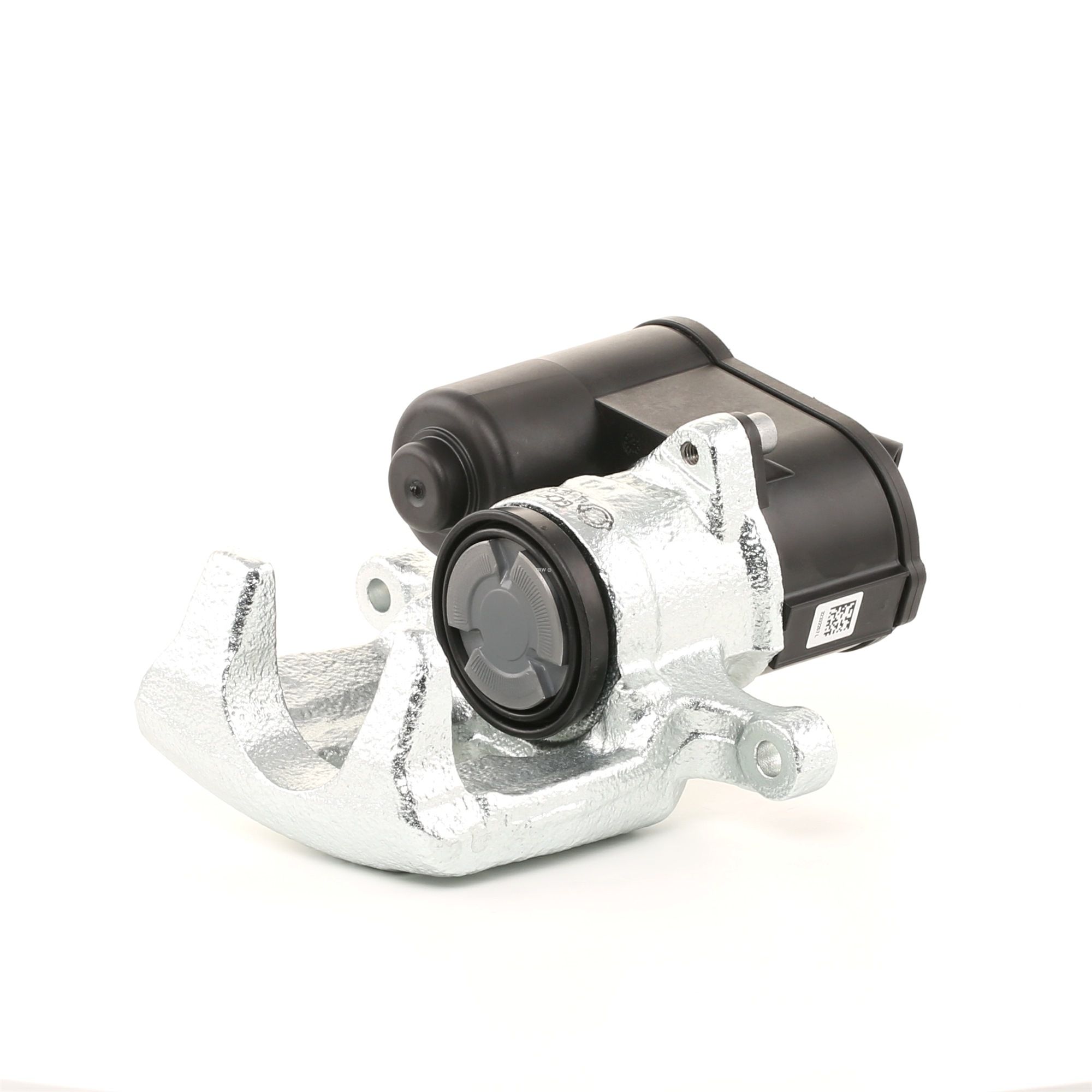
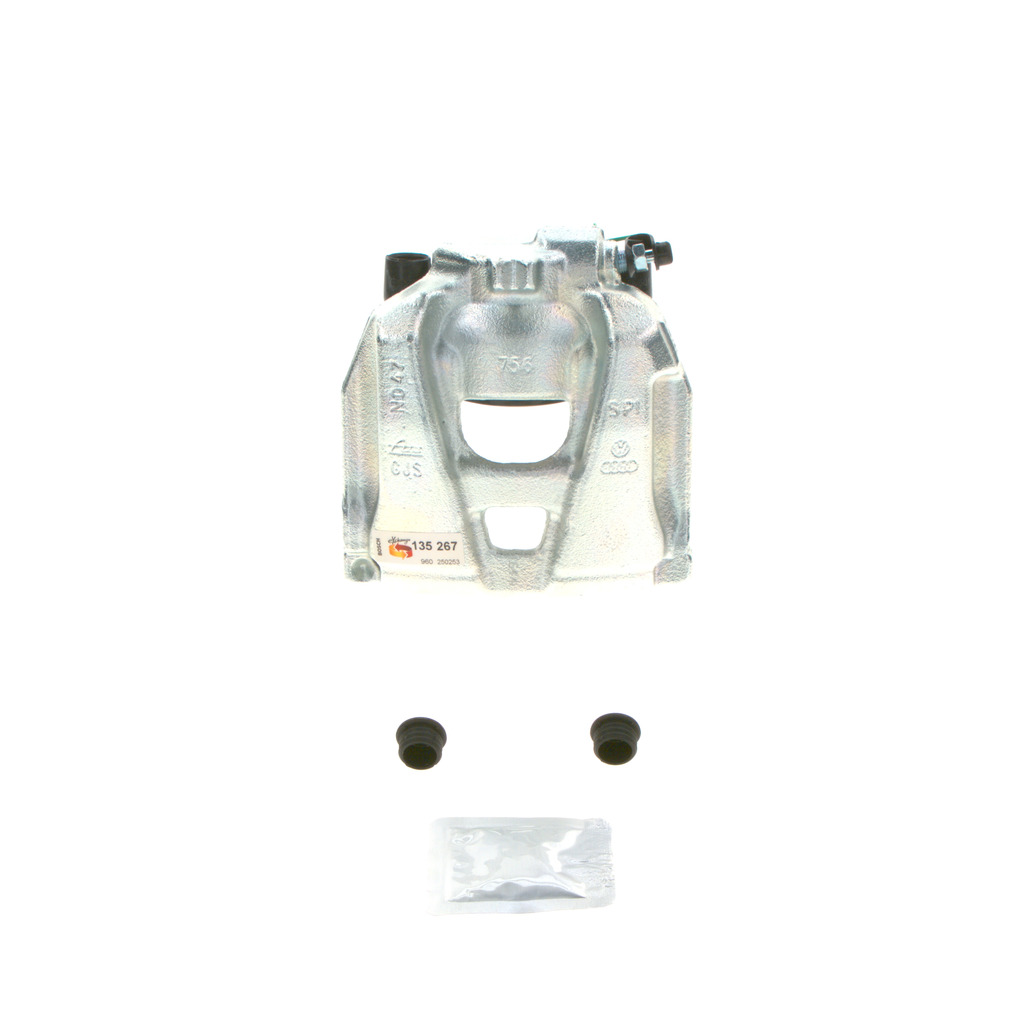
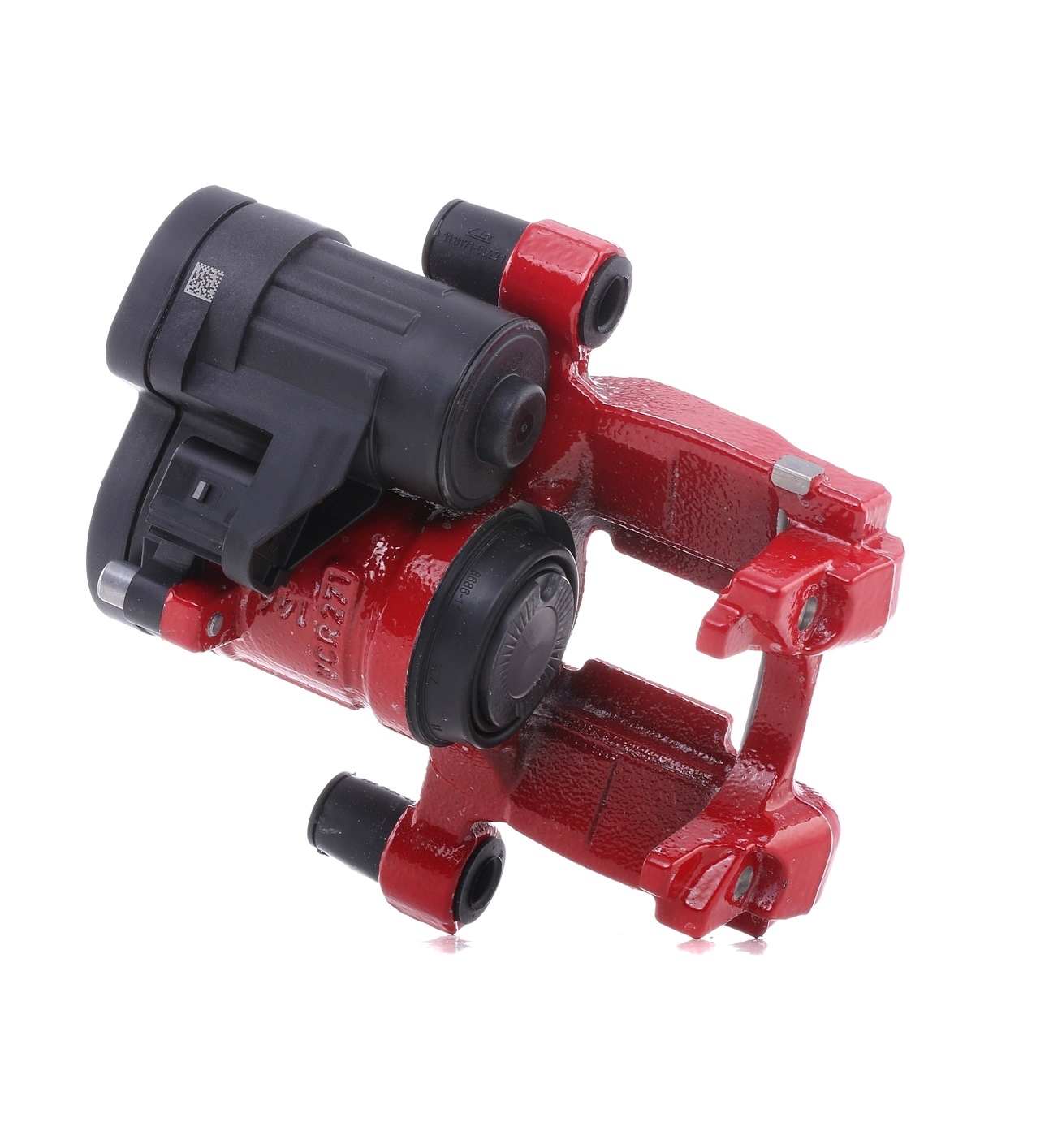
A caliper is an important element of a disc braking system serving to fasten and fixate brake pads, ensuring their mobility when braking. There are currently 2 kinds of calipers available: floating and fixed ones.
Floating calipers usually include one, sometimes two pistons located on one side of the brake disc only. The caliper housing is attached to the bracket fastened to the steering knuckle with bolts; brake pads are installed on the bracket.
Special springs are used to secure the pads inside the guide slots. As the brake pedal is pressed, the piston moves out of the cylinder and exerts pressure on the inner brake pad. After that the bracket moves along the guide pins and presses the outer pad to the disc.
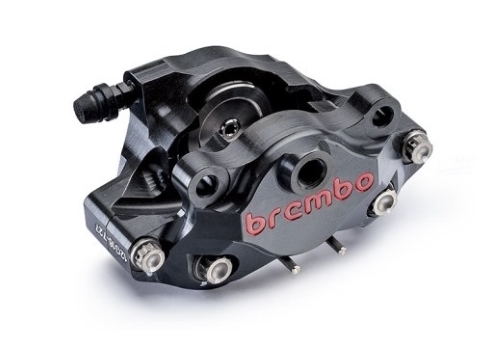
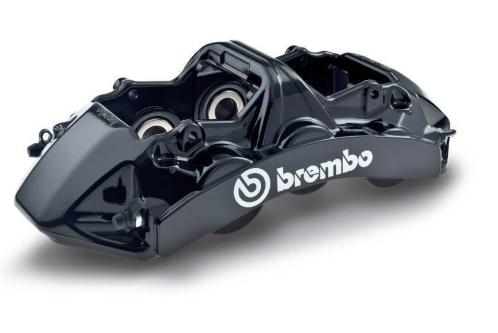
The fixed caliper design does not include guide pins, while pistons are located on both sides of the brake disc. Thus when braking, the fluid under pressure is supplied to all cylinders simultaneously, causing both inner and outer pads to move. At other times they are held apart with spring spacers.
Why is my brake caliper sticking: signs of sticking brake caliper
Common reasons for a caliper sticking include:
- Exposure to humidity and dirt. The accumulated contaminations prevent the pistons and guide pins from moving freely. Liquid causes their corrosion, leading to sticking. If the rubber dust boots intended for protecting moving parts from aggressive environment leak, it increases risk of the pistons and pins breaking down. Sticking is also much more likely to occur if brake fluid is not changed on time: it is hygroscopic so its water content increases over time; this also leads to piston and pin corrosion.
- Using the wrong lubricant or none at all. Special high-temperature resistant grease must be used on guide pins. Wrong grease tends to dry up or leak through; it can also destroy the rubber parts. The guide pin can’t move freely in a swollen bush.
- Abrupt temperature changes. These have a detrimental effect on rubber dust boots. They accelerate corrosion and may cause the brake disc to bend, often leading to sticking brakes.
- Worn caliper elements. A worn out caliper housing or piston surface causes it to skew and stick. The dirt accumulating in the damaged points impedes free travel of the moving parts.
- Deformation. Guide pins may bend due to incorrect installation, high strains or careless driving; this also increases risk of sticking.
- Driving with worn brake pads and discs. To ensure good grip of a worn friction pair, the piston may move out too far from its seat which may lead to its skewing.
- Using the wrong brake fluid. If a fluid is too viscous, the pistons don't return to their starting position. Besides, polymeric or composite pistons may swell when coming in contact with wrong fluid.
- Exposure to aggressive chemicals. Road grit and brake fluid cause premature wear of rubber dust boots, so it’s important to keep the system airtight at all times.
6 Rules for using your brake calipers right
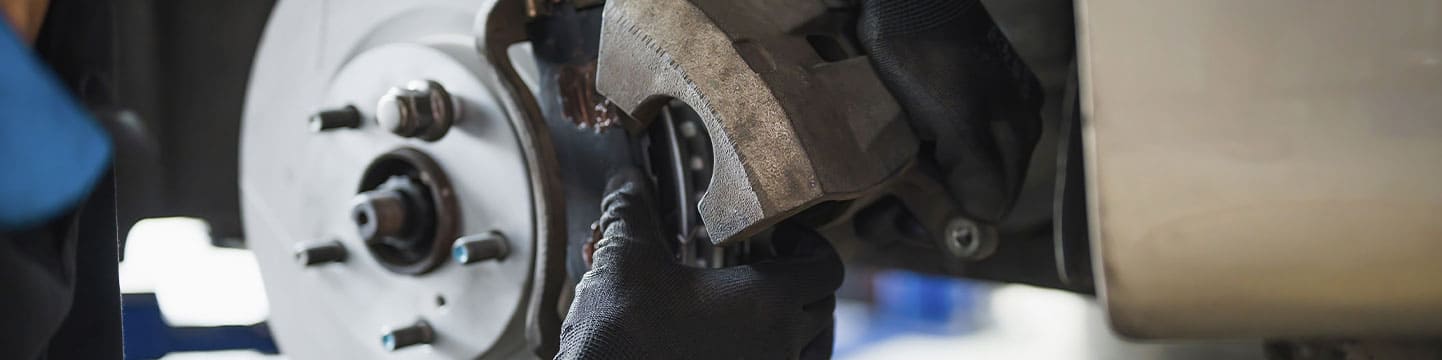
- Clean and lubricate brake elements and check the rubber dust boot condition whenever you change your brake pads - or every 6 months. Replace unpressurised sealing elements right away.
- Change brake fluid on time. It’s hygroscopic, so its water content increases significantly over time. This affects braking efficiency and causes the pistons to corrode on the inside.
- Match lubricants to your specific car model. Special anti-scuff pastes containing copper or molybdenum are typically used for lubricating brake shims, pressure springs, and outer side of the brake pads. Ceramic lubes are recommended for use in pad seats. Guide pins need to be lubricated with mineral-based products intended for use at temperatures between -45 °C and +180 °C. There are also universal synthetic lubricants suitable for use in all moving elements of the brake system. When servicing the unit it’s important to apply only small amounts of lube into the dust boots to keep it from leaking onto the friction lining. You should also avoid anti-scuff pastes from getting onto sealing elements.
- Avoid aggressive driving style. When driving on winding roads in the mountains, one can’t help applying brakes often. In regular settings, though, it is advisable to avoid starting and braking abruptly. This will help prevent braking system overheat.
- When replacing brake pads, use a special tool for pressing the piston into the cylinder. Make sure the component doesn’t get skewed - otherwise you may break the guide pin threading and the unit will need to be replaced in assembly.
- To slow down or prevent corrosion, apply special heat-resistant paint to the caliper. The surface should be first smoothed out with sandpaper and degreased. Paint coat will not only protect the caliper from decay but will make your car stand out.
Conclusion: Caliper is the kind of a car part that should never be neglected. Its working condition ensures the efficiency of the brake system and therefore your safety - and that of others. Ignoring the first signs of caliper breakdown may result in the disc cracking and brakes failing completely. Follow these recommendations to make sure your caliper serves long and smoothly.
A useful video on this topic:
How to prevent caliper jamming