Problems with the Audi S5

Reliability Audi S5: common problems, issues symptoms and faults
- Timing chain problems in the 3.0 TFSI engine: The timing chain can show signs of wear from 60,000-80,000 km, especially in models from 2010-2014. The problem manifests itself as rattling during cold starts and can lead to costly engine damage.
- Transmission problems with S tronic models: The dual-clutch transmission frequently exhibits malfunctions from 80,000-120,000 km, whereby it no longer shifts properly or will not start. Vehicles from 2014-2017 are particularly affected.
- Carbon deposits in the 4.2 FSI engine: The V8 engine tends to develop carbon deposits on the intake valves from 40,000-60,000 km, which leads to a loss of power and uneven engine running. This weak point mainly affects older models up to 2010.
- Turbocharger defects in the 3.0 TFSI: The turbochargers can fail between 100,000-150,000 km, with typical symptoms such as loss of power and bluish smoke. Models from 2017 onwards are particularly frequently affected.
Audi S5: Problems with the timing chain in the 3.0 TFSI engine
The timing chain in the 3.0 TFSI engine of the Audi S5 shows the first signs of wear from 60,000-80,000 kilometres, which are noticeable through characteristic rattling when starting from cold. These frequent faults particularly affect models built between 2010 and 2014 and can lead to serious engine damage if ignored. The reliability of the engine depends heavily on timely maintenance of the timing chain, as a break or excessive stretching of the chain can lead to piston damage. Other symptoms include metallic noises from the engine compartment, especially after long periods of inactivity, and an unsteady idling speed. The service life of the timing chain is significantly reduced by frequent short journeys and irregular oil changes.
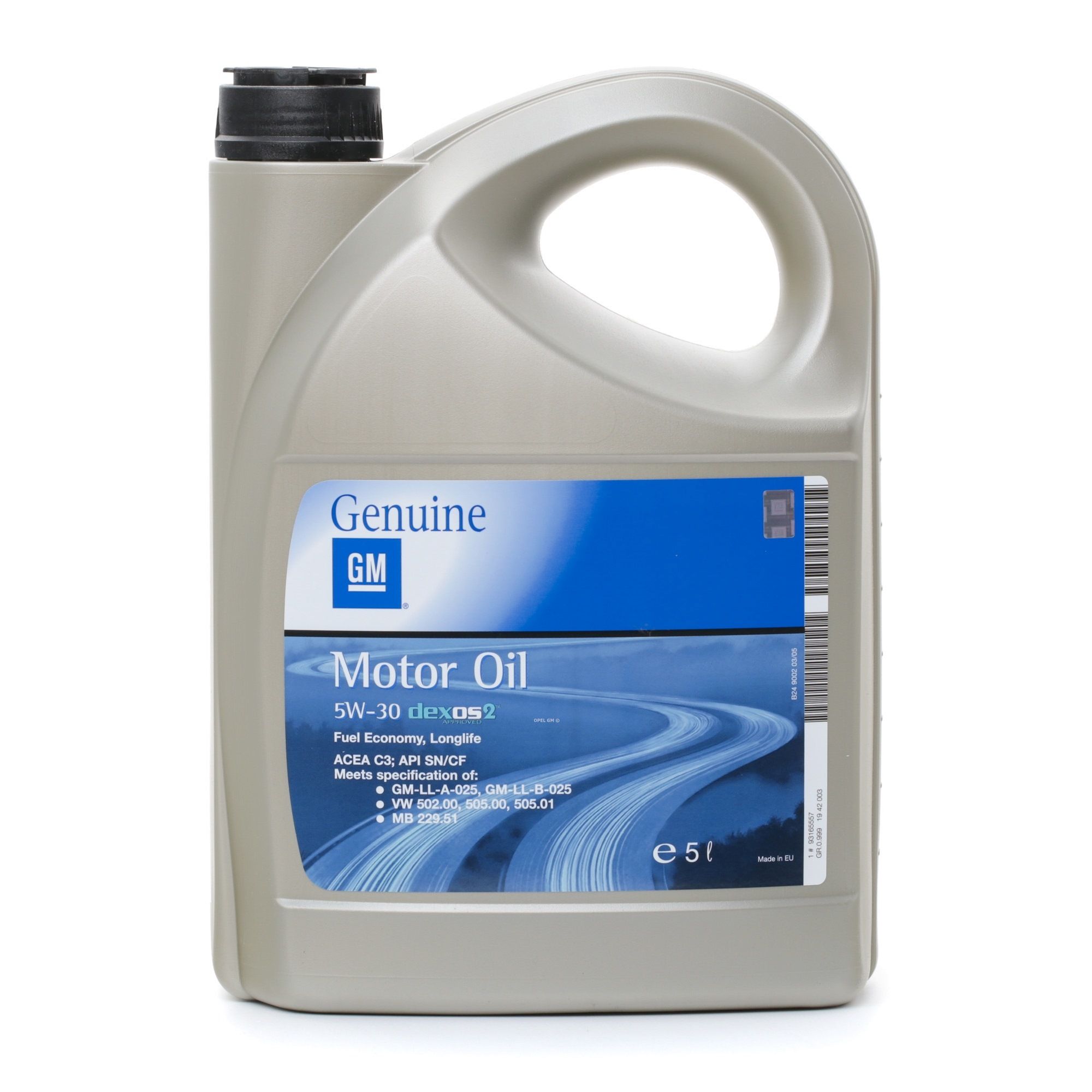
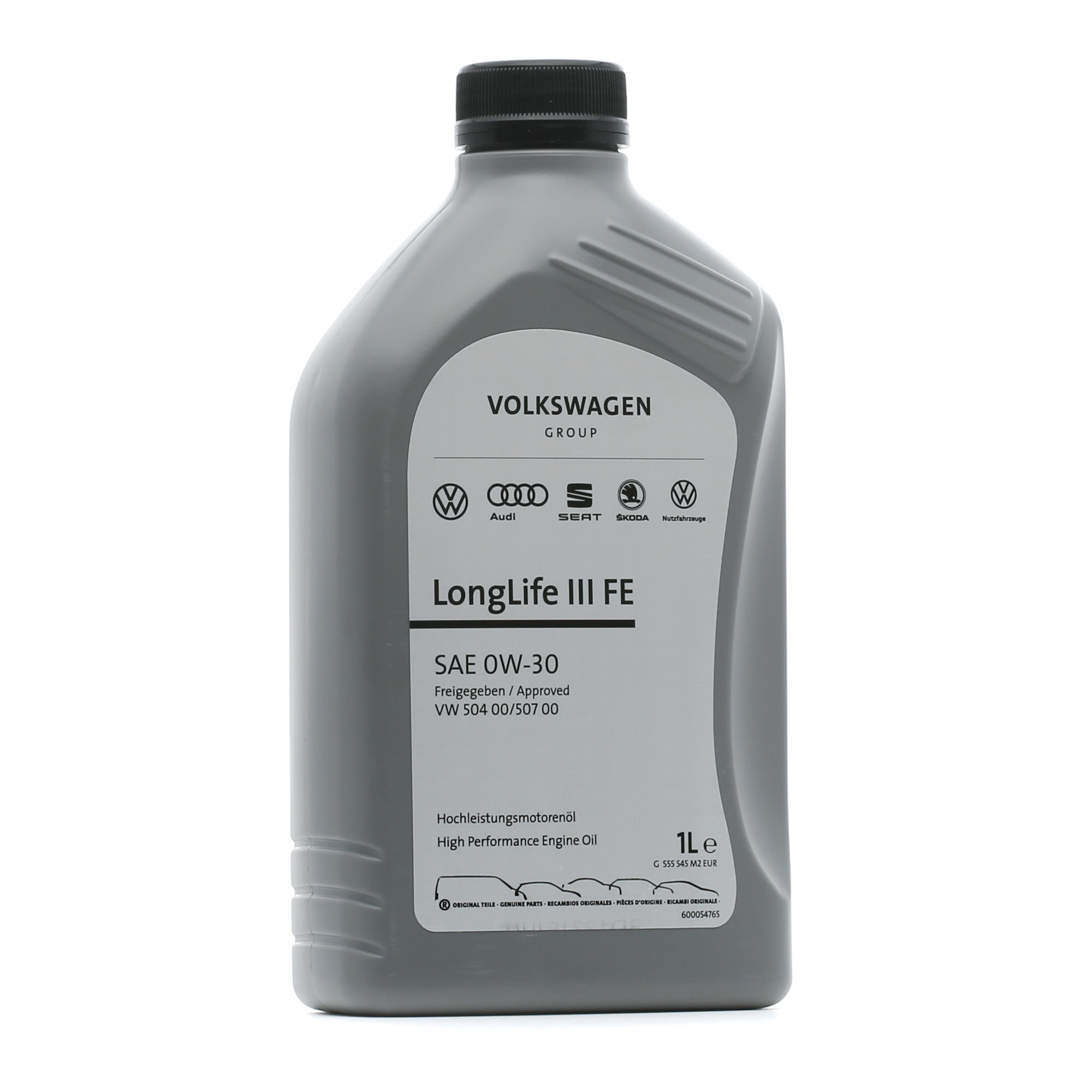
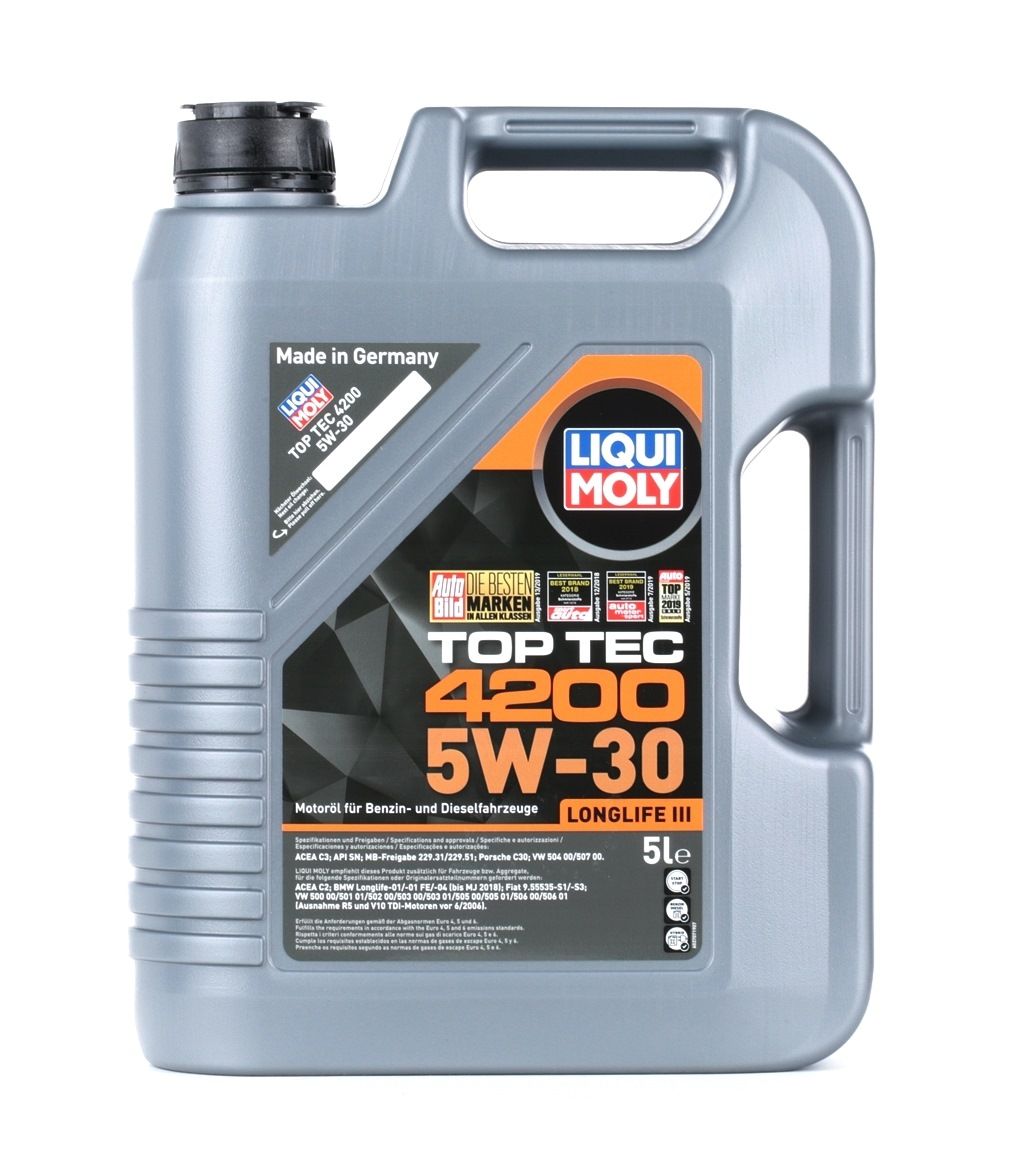
Regular maintenance is essential for the early detection of timing chain problems. The precise Audi S5 timing chain systems require a professional inspection every 15,000-20,000 kilometres, whereby the characteristic rattling is a clear indicator of wear. At the first sign of wear, a workshop should be visited immediately, as replacing the timing chain, including tensioner and guide rails, can cost between €2,500-4,000. Preventive maintenance with high-quality engine oils and regular oil changes every 10,000 kilometres extends the service life considerably.
Audi S5: Problems with the S tronic transmission
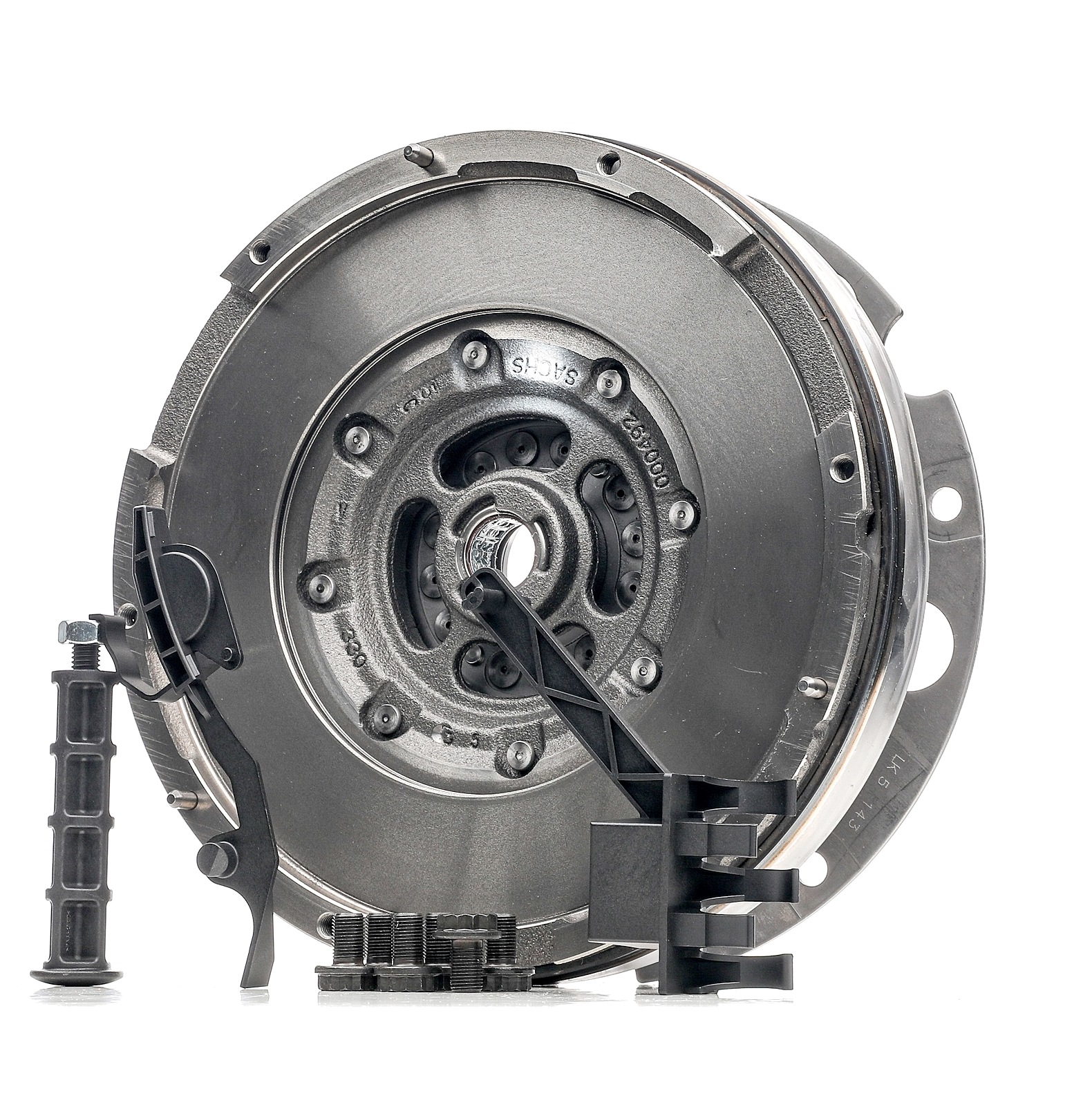
The S tronic dual-clutch gearbox in the Audi S5 often develops malfunctions between 80,000 and 120,000 kilometres, whereby the gearbox no longer shifts properly or, in extreme cases, no longer shifts at all. These faults occur particularly in models from 2014 to 2017 and are characterised by jerky gear changes, delayed gear changes or complete failure of the shift function. The symptoms often begin gradually with occasional jerky gear changes in stop-and-go traffic and develop into permanent malfunctions. Typical symptoms also include the transmission warning lighting up in the instrument cluster and a switch to emergency mode. The reliability of the system is severely impaired by aggressive driving and irregular transmission oil changes.
A systematic check is crucial for the longevity of the transmission. The complex Audi S5 S tronic systems require a gearbox oil change with special DSG oil every 60,000 km to ensure optimum functioning of the dual clutch. At the first sign of shifting problems, a computer-aided diagnosis should be carried out, as software updates or adjustments can often help. In severe cases, an overhaul or replacement of the clutches may be necessary, at a cost of €3,000-6,000.
Audi S5: Problems with carbon deposits in the 4.2 FSI engine
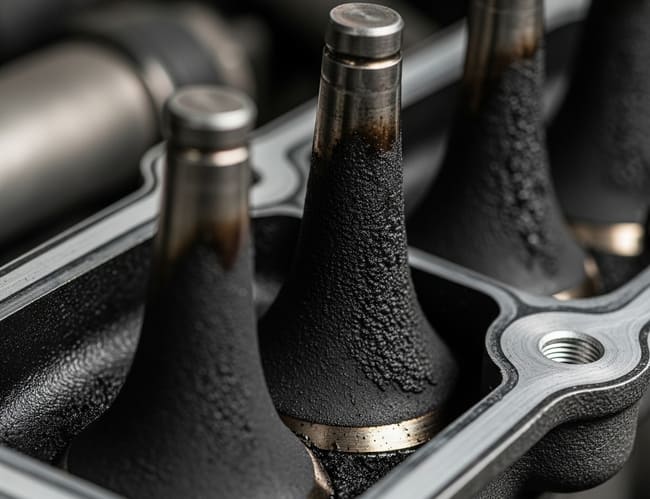
The 4.2 FSI V8 engine of the Audi S5 tends to develop considerable carbon deposits on the intake valves from 40,000-60,000 kilometres, which leads to a noticeable loss of power and uneven engine running. This weak point mainly affects models built up to 2010 and is caused by direct injection without additional intake manifold injection for valve cleaning. The coking blocks the air supply to the combustion chambers and causes symptoms such as reduced traction, increased fuel consumption and uneven idling. The engine no longer functions optimally, particularly at low engine speeds, which is noticeable in the form of stuttering and jerking. The service life of the engine is significantly impaired by these deposits if they are not treated in good time.
Professional maintenance is essential to prevent costly damage. The sensitive Audi S5 4.2 FSI intake valves require professional cleaning every 60,000-80,000 km by walnut blasting or chemical processes to remove the deposits. As a preventative measure, special fuel additives and regular motorway driving at higher engine speeds can help to reduce coking. A complete valve cleaning costs between 800-1,500 euros, but is significantly cheaper than engine damage caused by clogged valves.
Audi S5: Problems with turbocharger defects in the 3.0 TFSI
The turbochargers of the 3.0 TFSI engine in the Audi S5 typically show the first signs of failure between 100,000 and 150,000 kilometres, with models from 2017 onwards being particularly affected. These faults are characterised by a significant loss of power, bluish smoke from the exhaust and characteristic whistling noises when accelerating. The most common causes are worn bearings in the turbocharger, defective seals or problems with the variable turbine geometry. Other symptoms include increased oil consumption, as defective turbocharger seals allow oil to enter the intake or exhaust tract. The reliability of the turbocharger depends heavily on the quality of the engine oil and the maintenance intervals, as inadequate lubrication leads to premature wear.
A professional inspection is crucial for the timely detection of turbocharger problems. The high-precision Audi S5 3.0 TFSI turbocharger systems require regular checks of the boost pressures and exhaust gas values in order to recognise wear at an early stage. It is also important to observe the overrun times after sporty driving so that the turbocharger can cool down properly. In the event of defects, a complete replacement of the turbocharger is usually necessary, which can cost between 2,000-4,000 euros, whereby original parts are significantly more expensive than replacement units.
Audi S5: Problems with the high-pressure pump in the 3.0 TFSI
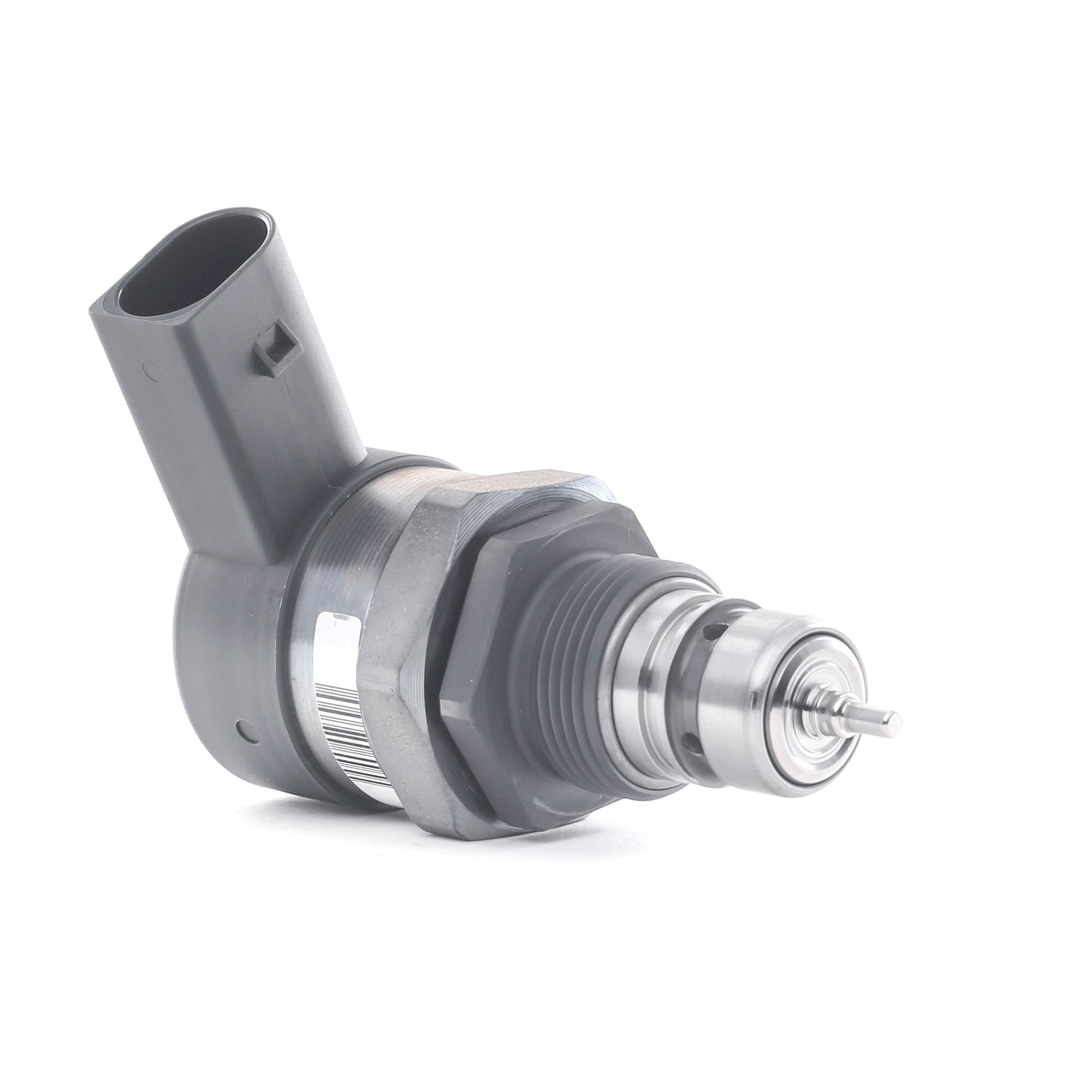
The high-pressure pump of the 3.0 TFSI engine often develops defects between 80,000 and 120,000 kilometres, resulting in starting problems, unsteady idling and loss of power. This weak point particularly affects models from 2014 to 2018 and results in the engine no longer starting or not working properly. The pump can no longer build up the required fuel pressure of up to 200 bar, which leads to misfiring and an emergency running programme. Typical symptoms are also the illumination of the engine control light and error codes in the control unit. The service life of the high-pressure pump is significantly reduced by low-quality fuel and clogged fuel filters, as impurities can damage the precise pump components.
Regular maintenance is essential for the longevity of the fuel system. The sensitive Audi S5 3.0 TFSI high-pressure pumps require a fuel filter change every 60,000 km and the use of high-quality fuel with a sufficient octane rating. At the first sign of starting problems or loss of power, the fuel pressure should be measured, as a failure of the high-pressure pump can lead to consequential damage to the injection system. Replacing the pump costs between €1,500 and €2,500, and the fuel lines and injectors should also be checked.
Additional common faults in the Audi S5
Based on the experiences of Audi S5 drivers, the following additional problems occur:
- Problems with the air suspension: typically occur after 80,000-100,000 km, often caused by leaking air bellows or defective compressors.
- Defective xenon headlights: Can occur as early as 60,000-80,000 km, often due to ballast or bulb failure.
- Problems with the MMI system: Often occur after 70,000-90,000 km, usually due to software bugs or defective hard drives.
- Thermostat leaks: Premature wear is not uncommon, often after 90,000-120,000 km.
- Brake disc wear: Necessary after just 40,000-60,000 km, especially with a sporty driving style.
- Problems with the air conditioning system: Often occur after 100,000-130,000 km, usually due to defective compressors or leaking lines.
- Defective lambda sensors: Can fail between 80,000-120,000 km, leading to increased fuel consumption.

Audi S5: weaknesses and strengths
| Strengths |
Weak points |
| High driving performance |
Timing chain problems |
| Quattro all-wheel drive |
Transmission defects |
| High-quality workmanship |
Turbocharger failures |
| Sporty design |
Carbon deposits |
| Good road holding |
High pressure pump defects |
| Modern technology |
High repair costs |
| Powerful engines |
Complex electronics |
The Audi S5 proves to be a powerful vehicle with characteristic weak points, which mainly affect the complex engine technology and the transmission. Most problems can be avoided or at least delayed through consistent maintenance and preventive measures. It is particularly important to observe the service intervals and to use high-quality operating materials in order to maximise the service life of the vulnerable components.


 8 December 2025 (updated)