Spare tyres: everything you need to know
A spare tyre is more than just a backup – it's a lifeline when unexpected problems arise on the road. Whether you're an experienced driver or new to the wheel, understanding your spare tyre options and how to use them can save you time, stress and money. Be prepared for the unexpected and keep your journeys smooth and worry-free.
What are the different types of spare tyres?
There are several types of replacement tyres, each designed to meet specific needs and situations. The most common types are full-size matching spares, full-size non-matching spares, compact temporary spares (commonly known as 'donuts') and run-flat tyres.
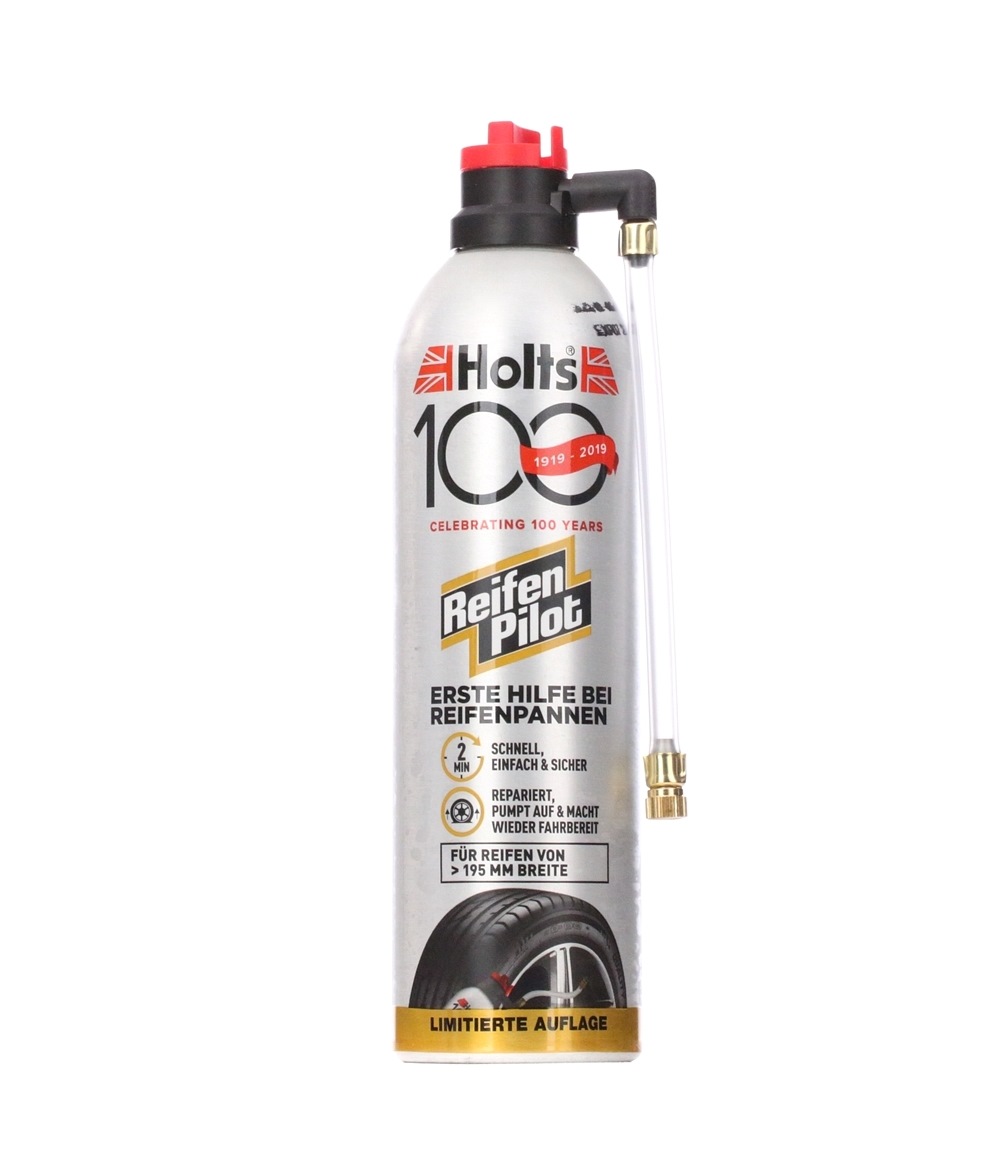
Full-size matching spares are identical to the tyres on your vehicle, providing a seamless replacement without compromising performance. Full-size non-matching spares are similar in size but may differ in tread type or construction, providing a temporary solution. Compact temporary spares are smaller and lighter, saving space and weight, but are only intended for short distances and lower speeds. Run-flat tyres allow limited driving even after a puncture, eliminating the need for an immediate tyre change.
To help you understand, we've included a detailed table below that breaks down the different types of spare tyres and highlights their unique features.
|
Types of Spare Tyres
|
Description
|
Advantages
|
Disadvantages
|
|
Full-Size Matching Spare
|
Identical to the vehicle's regular tyres in size and specifications.
|
- Allows normal driving.
- No speed or distance limits.
|
- Requires more storage space.
- Heavier and more expensive.
|
|
Full-Size Non-Matching Spare
|
Same size as the regular tyres but may have a different tread or material.
|
- Provides similar performance to regular tyres.
|
- Can cause uneven wear if used long-term.
- Requires storage space.
|
|
Space-Saver Tyre (Compact)
|
Smaller in size and lighter, designed for temporary use only.
|
- Saves space in the boot.
- Lightweight and easy to handle.
|
- Limited speed (50 mph) and distance (up to 70 miles).
|
|
Run-Flat Tyres
|
Designed to run without air pressure temporarily, avoiding the need to carry a spare.
|
- Eliminates the need to change tyres immediately.
- Saves space.
|
- Limited distance after a puncture.
- Expensive to replace.
|
|
Temporary Inflatable Tyre
|
A compact tyre that inflates when needed using a kit.
|
- Saves significant storage space.
- Lightweight.
|
- Requires inflating equipment.
- Not suitable for long-term use.
|
|
Donut Spare (Mini Spare)
|
Very small and lightweight, suitable for emergency use only.
|
- Minimal impact on storage space.
- Affordable.
|
- Extremely limited speed and distance.
- Unsuitable for high-speed roads.
|
|
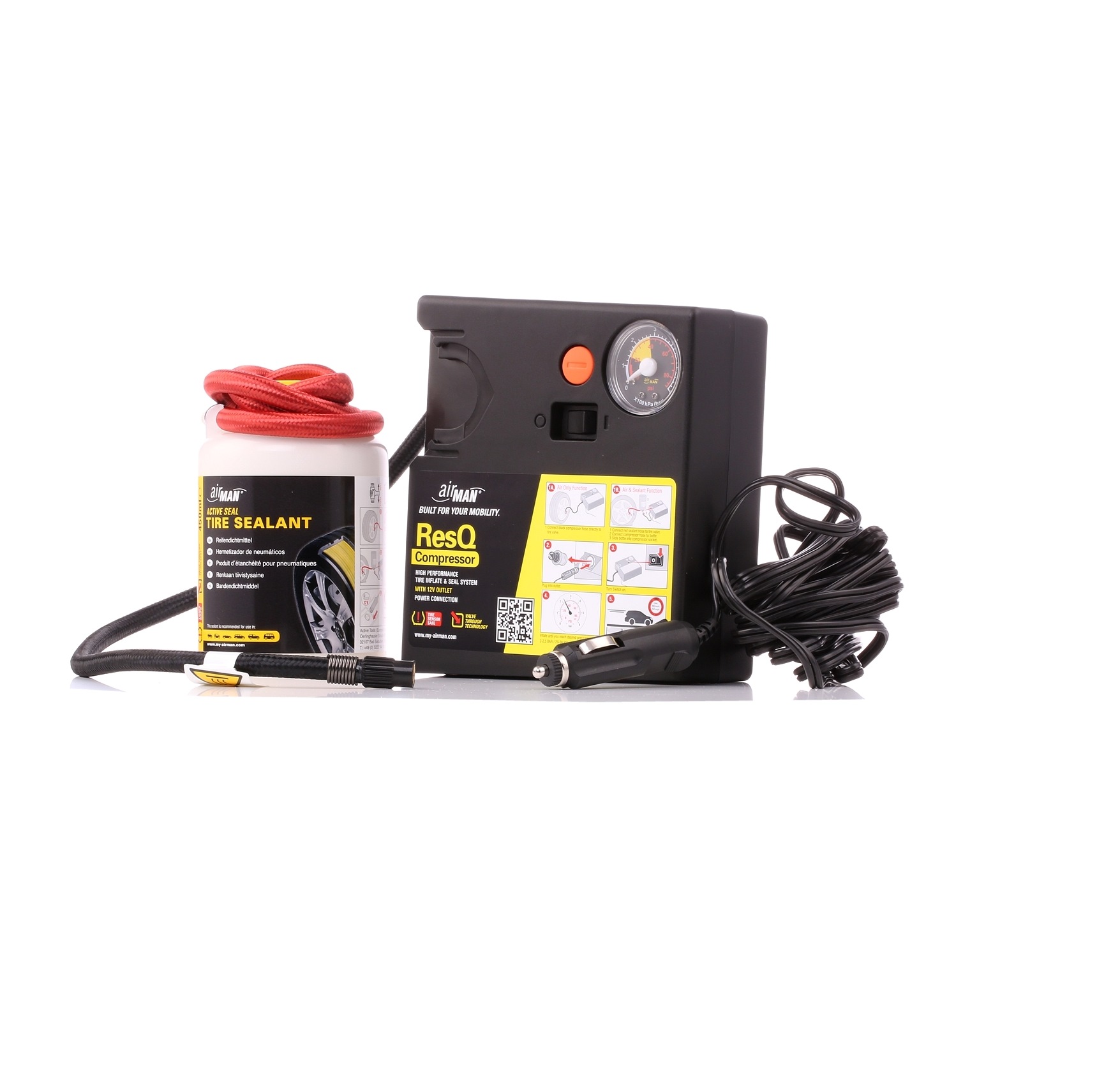
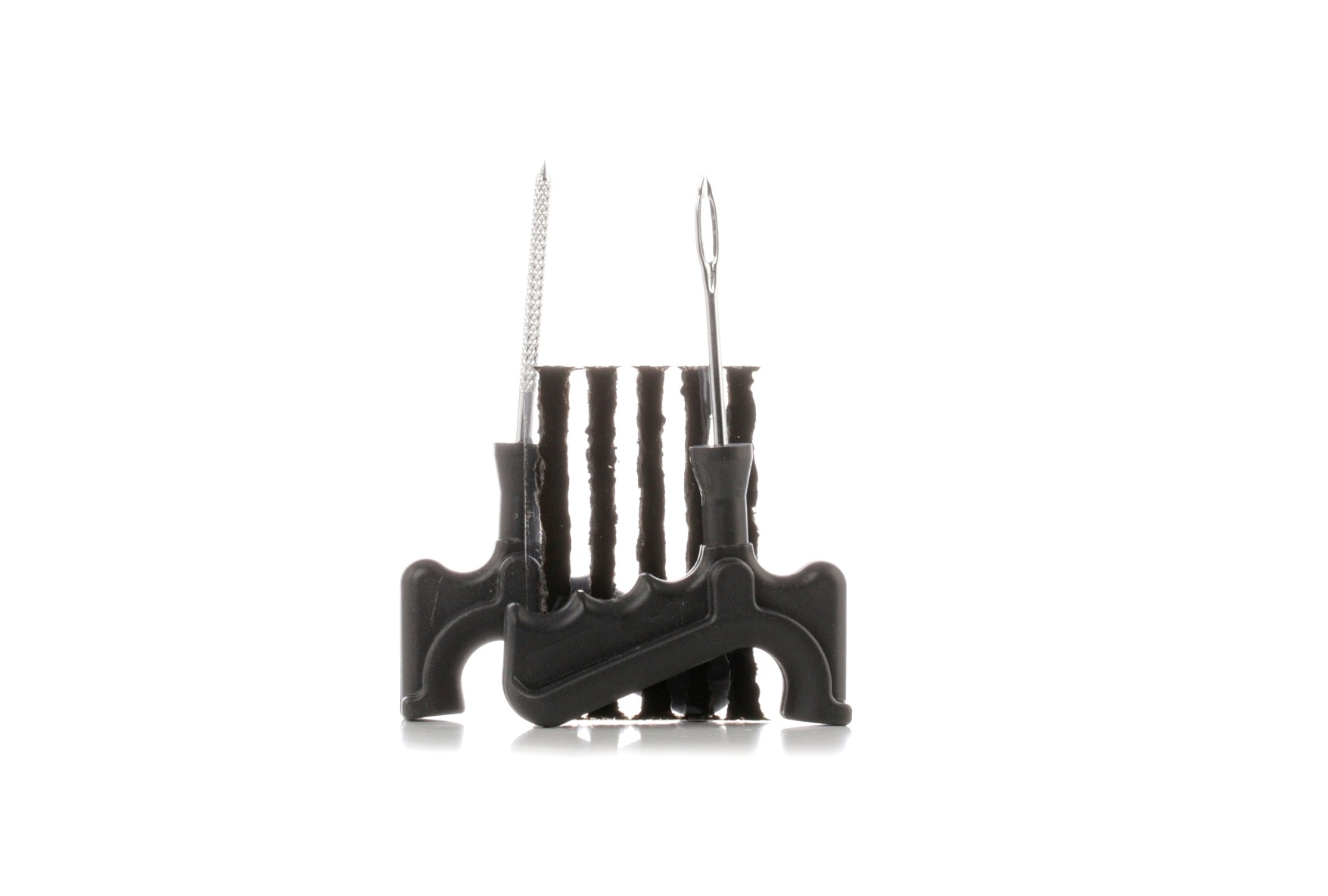
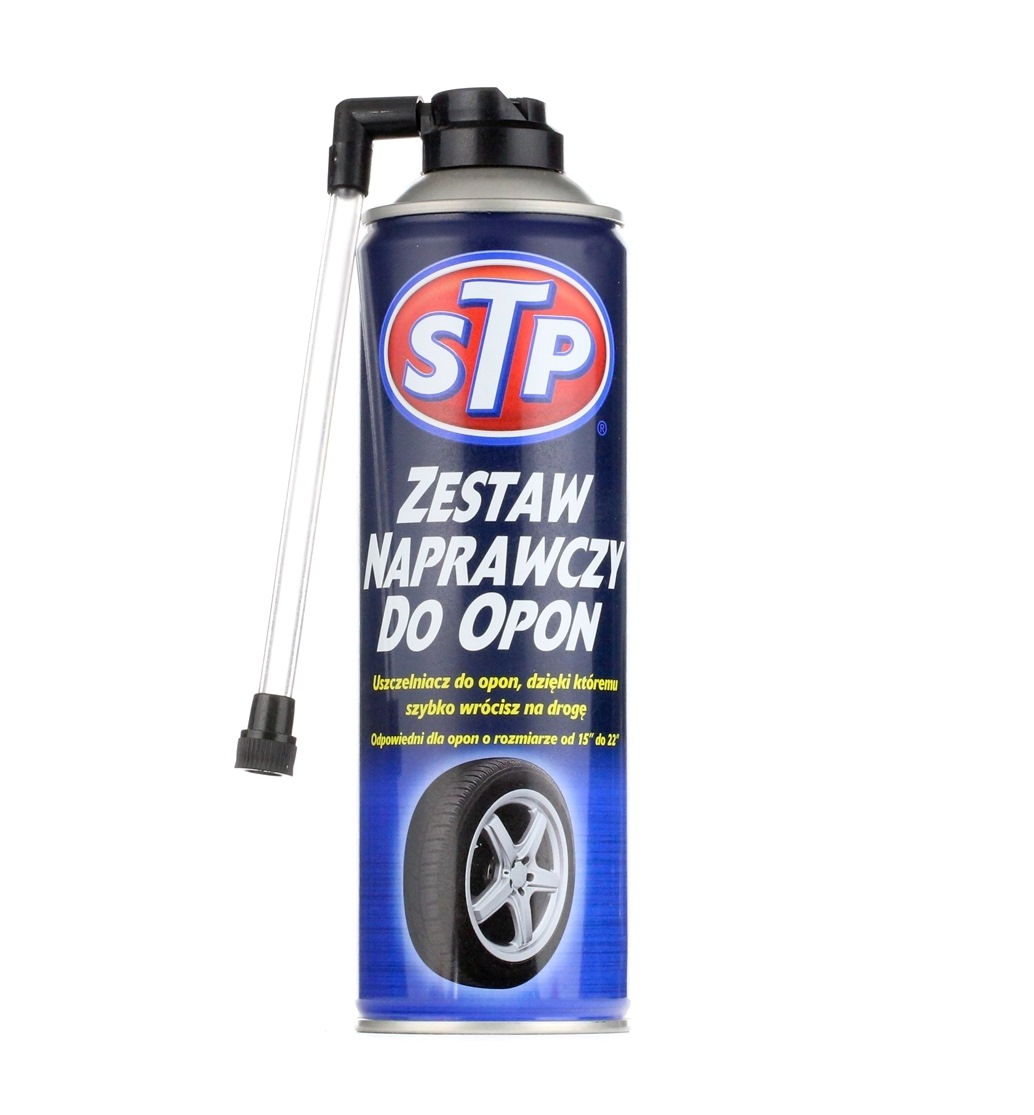
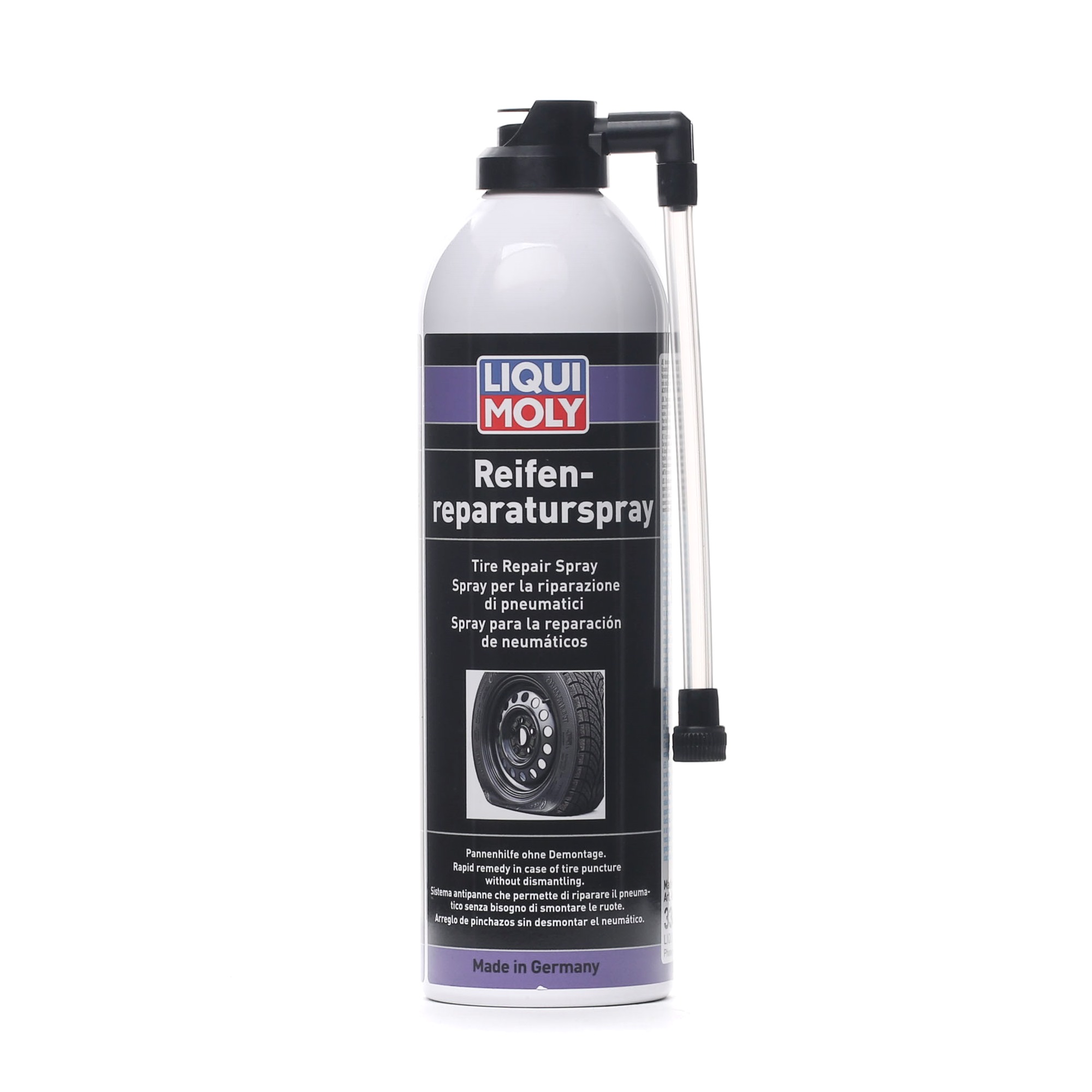
Temporary Repair Kit
|
Includes sealant and an air compressor to temporarily fix small punctures.
|
- Compact and lightweight.
- Avoids immediate tyre change.
|
- Ineffective for large punctures or blowouts.
- Short-term solution.
|
Does my car have a spare tyre?
Whether your car has a spare tyre depends on the make and model, as well as the manufacturer's preferences. Many contemporary cars no longer include a spare tyre to save space and weight, opting instead for run-flat tyres or car tyre repair kits. To check if your car has one, look under the boot floor or rear storage compartment for a spare or repair kit. Check your owner's manual for details. If you are unsure, a quick check or visit to your dealer can provide a clear answer.
What size spare wheel do I need?
The size of the spare wheel you need depends on your vehicle's specifications and the type of spare you prefer. Ideally, the spare should match your car’s existing wheel size for seamless performance, but compact spares (donuts) are smaller and designed for temporary use.
Check your owner’s manual or the sticker inside the driver’s door frame for the recommended tyre size. If you’re considering replacing your spare, ensure compatibility with your vehicle’s bolt pattern and load requirements. A detailed table below will outline the different types of spare wheels, their sizes, and their purposes, helping you make an informed choice tailored to your needs.
|
Car Brand
|
Recommended Spare Wheel Size
|
|
Ford Fiesta
|
14" - 16"
|
|
Volkswagen Golf
|
15" - 17"
|
|
Vauxhall Corsa
|
14" - 16"
|
|
Nissan Qashqai
|
17" - 19"
|
|
Toyota Yaris
|
14" - 16"
|
|
BMW 3 Series
|
16" - 18"
|
|
Mercedes-Benz A-Class
|
17" - 18"
|
|
Audi A3
|
16" - 18"
|
|
Kia Sportage
|
17" - 19"
|
|
Hyundai Tucson
|
17" - 19"
|
How long do spare tyres last?
Unless otherwise stated, it's advisable to replace a spare tyre after 10 years to maintain safety and reliability. Even when not in use, spare tyres deteriorate over time due to factors such as temperature changes, humidity and sunlight, which can degrade the rubber. Compact spares, often called donuts, are intended for temporary use and should not be driven more than 70 miles or at speeds over 50 mph. Regularly inspect your spare tyre for signs of wear or damage and ensure it is properly inflated to be ready for emergencies.

How much is a spare tyre?
The cost of a spare tyre varies greatly depending on the type, size and brand. Compact spares are generally less expensive than matching full-size spares, but their temporary nature makes them less versatile. Full-size and run-flat tyres are generally more expensive but offer better durability and performance. Additional factors such as the tyre's load capacity, tread design and whether it comes with a rim can also influence the price. To help you better understand your options and costs, the detailed table below compares the different types of replacement tyres, their average price ranges and other insights.
|
Car Brand
|
Spare Tyre Cost (Range)
|
Notes
|
|
Ford Fiesta
|
£40 - £100
|
Basic compact spare tyres are available; premium ones cost more.
|
|
Volkswagen Golf
|
£50 - £120
|
Prices vary based on the size and material of the spare tyre.
|
|
Vauxhall Corsa
|
£45 - £110
|
Popular choice with budget-friendly spare tyre options.
|
|
Nissan Qashqai
|
£70 - £150
|
SUVs require larger spares, raising costs.
|
|
Toyota Yaris
|
£50 - £110
|
Includes options for hybrid models.
|
|
BMW 3 Series
|
£80 - £180
|
Premium tyre brands for high performance.
|
|
Mercedes-Benz A-Class
|
£90 - £200
|
Includes run-flat options at higher costs.
|
|
Audi A3
|
£85 - £190
|
Sports-oriented models have premium spare tyres.
|
|
Kia Sportage
|
£65 - £140
|
Designed for compact SUVs, slightly higher cost.
|
|
Hyundai Tucson
|
£70 - £150
|
Similar pricing to other compact SUVs.
|
How long can you drive on a spare tyre in the UK?
A spare tyre is your quick-fix solution, but it’s not built for the long haul. You might be wondering: Can I drive on a spare tyre for a week? The answer is no – it's not a good idea. Most spares are designed for short distances (around 50 miles) and speeds under 50 mph. Driving on one for too long can compromise your safety and damage your car. Unless you have a full-size spare, treat it as a temporary measure to get to a garage for proper repairs or replacement. Prioritise safety and get it sorted quickly!
Can you drive on the motorway with a spare tyre?
You can drive on the motorway with a spare tyre, but only if absolutely necessary. Make sure the spare tyre is properly inflated as most spare tyres are pneumatic and require regular pressure checks. Driving with an underinflated spare tyre is dangerous and increases the risk of an accident. Space saver tyres are designed for short distances and reduced speeds, typically not exceeding 50 mph. Whenever possible, avoid motorways and replace the spare tyre with a full-size tyre as soon as possible to ensure safe and reliable driving.
Is a spare tyre a legal requirement?
No, UK law does not require you to keep a spare tyre in your car. However, your vehicle must be roadworthy, and all tyres in use must meet legal standards for tread depth, condition, and inflation. While carrying a spare tyre is not mandatory, it can be highly practical in the event of a puncture. Many modern cars come with alternatives like tyre repair kits or run-flat tyres. If you do have a spare, ensure it is in good condition and properly inflated before use.
Do I need a spare tyre to pass the MOT?
No, you don't need a spare tyre to pass an MOT test in the UK. The test only checks the tyres currently fitted to your vehicle to ensure they meet legal standards for tread depth, condition, and inflation. A spare, if you have one, is not tested and won't affect your MOT result. However, it's always a good idea to keep a spare tyre in good condition – you never know when it might save the day in the event of an unexpected puncture.
Maintaining your spare tyre
Store it in a cool, dry place away from sunlight, heat, and moisture to prevent damage. If it’s mounted under the vehicle, clean it occasionally to protect it from dirt and corrosion. Here are some tips for keeping your tyre in good condition.
- Check the pressure regularly: Ensure the spare tyre is inflated to the manufacturer's recommended level.
- Store properly: Store in a cool, dry place away from sunlight, heat and moisture to prevent damage.
- Check for damage: Periodically inspect for signs of wear, cracks or other damage that could make it unsafe to use.
- Clean if mounted: If the spare is stored under the vehicle, clean it occasionally to prevent dirt and corrosion.
- Be prepared: Regular upkeep keeps your spare tyre dependable and prepared for unexpected situations.

FAQs
Where can I buy a spare wheel for my car?
You can buy one from car dealers, auto parts stores, online retailers or local garages and tyre shops. Make sure it's compatible with your vehicle.
What is a universal spare wheel?
A universal spare wheel is a generic replacement designed to fit multiple car models. While convenient, they may not offer the same performance or safety as a vehicle-specific spare wheel.
How do I check spare tyre pressure?
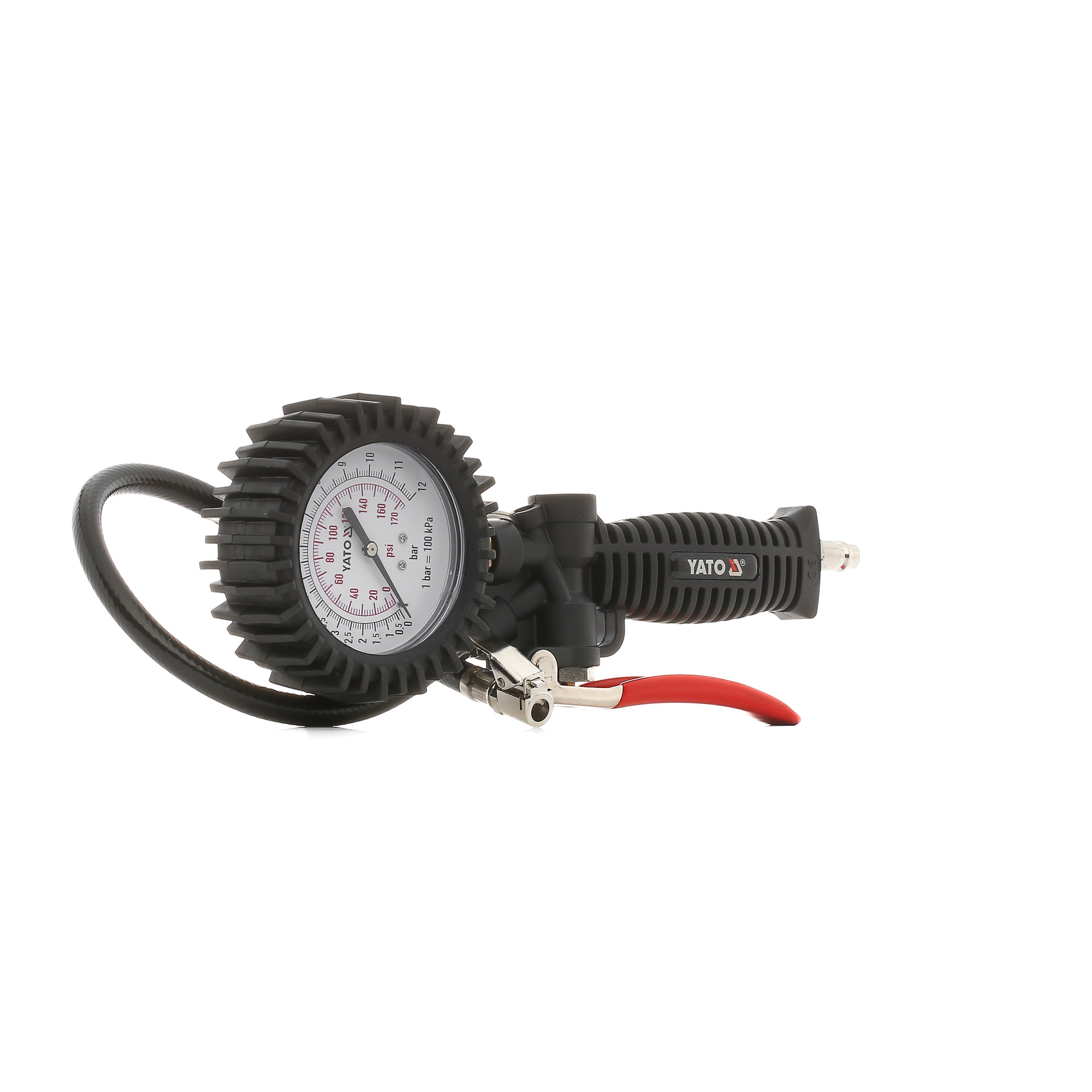
To check the pressure of your spare tyre, use a car tyre pressure gauge regularly and ensure that it is inflated to the manufacturer's recommended pressure, which can be found in your owner's manual.
Top products related to this topic:


 30 January 2025